

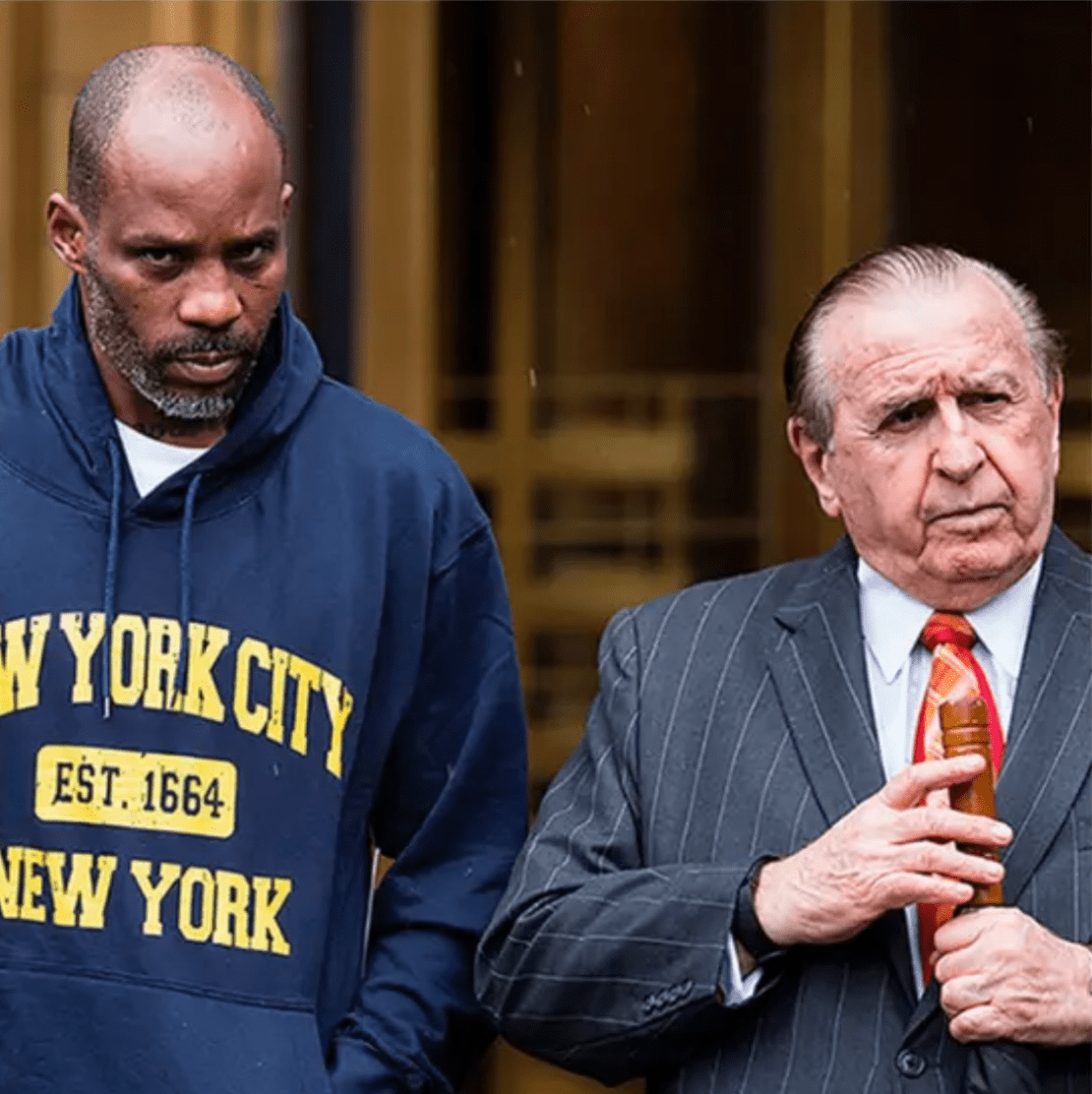
In the media, he was often described as “the last great old-school lawyer from the Bronx”—charismatic, sharp-tongued, with the image of a true defender of liberty. His signature nickname, “Don’t Worry Murray,” came from his manner of calming clients before court. Here’s how Murray Richman earned his status as the most popular lawyer in the Bronx on bronxski.com.
The Lawyer Who Turned the Courtroom into a Theater
In New York’s criminal chronicles, Murray Richman’s name surfaced just as often as headlines about his clients. Richman defended DMX against high-profile charges, stood up for Jay-Z after a stabbing incident involving producer Lance Rivera, and represented Shyne, who was named as the shooter in the Sean “Puffy” Combs case. One of his most famous cases involved Jamal Barrow, who faced 11 serious charges, from attempted murder to illegal possession of a weapon.
But Richman always appeared remarkably confident. The son of a Romanian-born house painter, he started from nothing in the Bronx and became a man who needed no introduction in legal circles.
His style was a story all its own. Flashy Versace ties, a post-work cigar, and witty jokes in court. He was convinced that appearance matters because jurors see the person first, and the case second.
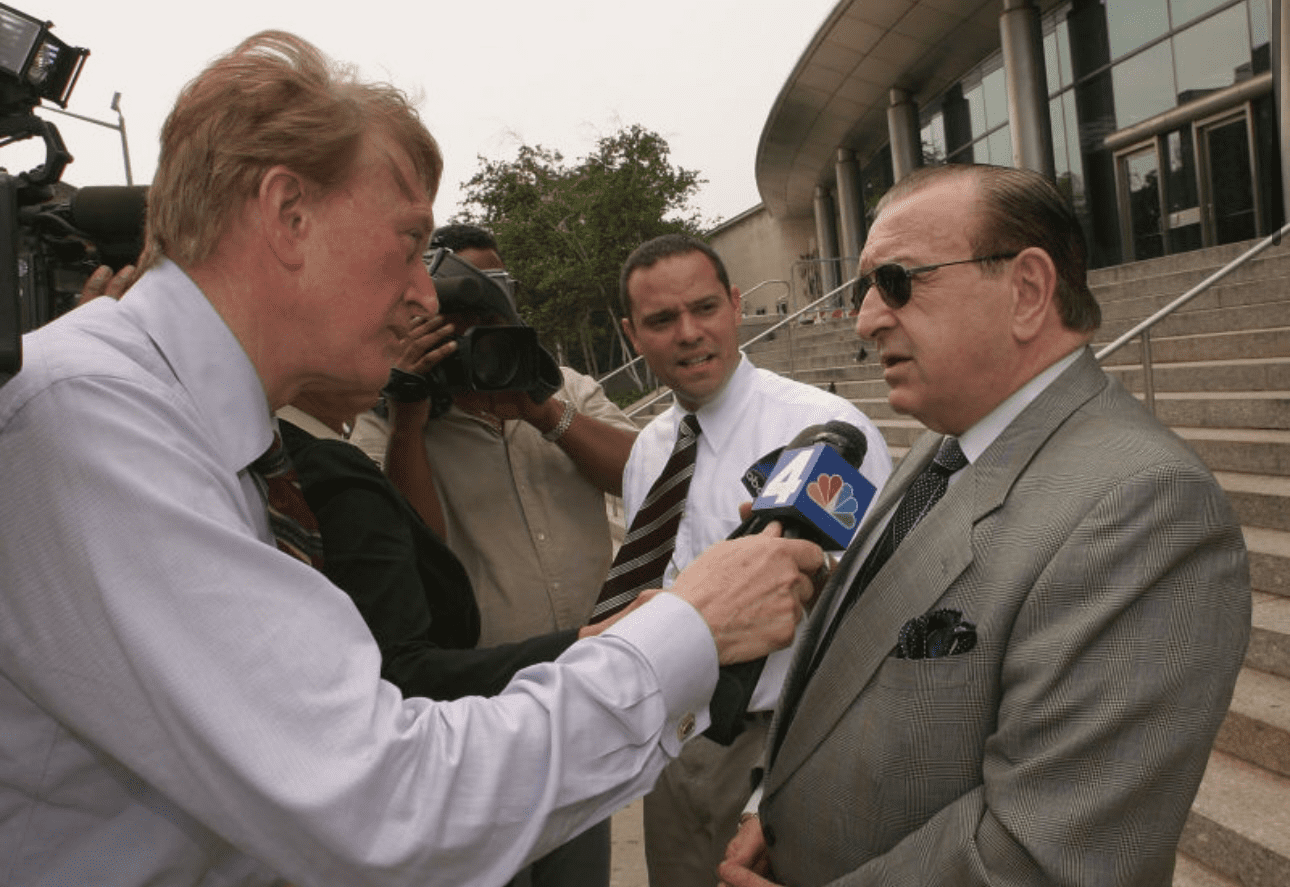
“I dress my clients, I teach them how they should sit, how to lean, how to laugh. The jurors are looking at everything. If I’m not afraid of my client, they won’t be afraid either,” Murray says.
Richman actually kept closets full of ties and shirts in his office for clients. His approach bordered on theater. He called a tie not just an accessory, but a “Rorschach test” that helps him gauge the jurors’ reactions. And Murray uses his ability to “read” people to sway them to his side:
“Many people think jurors are guided by reason. No, give me a professor, and I’ll make him do something he would never have done if he was listening to common sense.”
A case in point involved a young man who, out of fear, confessed on video to five armed robberies. It seemed like an open-and-shut case. But Richman focused on one juror—a professor. The juror became so engrossed in analyzing the situation that he brought a stopwatch to court to prove the defendant couldn’t have physically read his confession that quickly before signing it. After that, Murray leveraged the police coercion angle and emphasized the young man’s age, and the result was an acquittal.
Richman became famous not just for his courtroom victories but also for his witty one-liners, such as, “I love murder cases—one less witness to worry about,” or, “I’ll be brief… I’m already short” (his height is 5’6″).
Richman doesn’t hide it: he’s the Bronx District Attorney’s nightmare.
“I beat them all the time; they hate me,” he boasts.
But his colleagues claim they actually respect him. This lawyer truly embodied the old-school New York criminal defense attorney: charismatic, colorful, and defiant. And most importantly—always ready to put on a show in the courtroom to save his client.
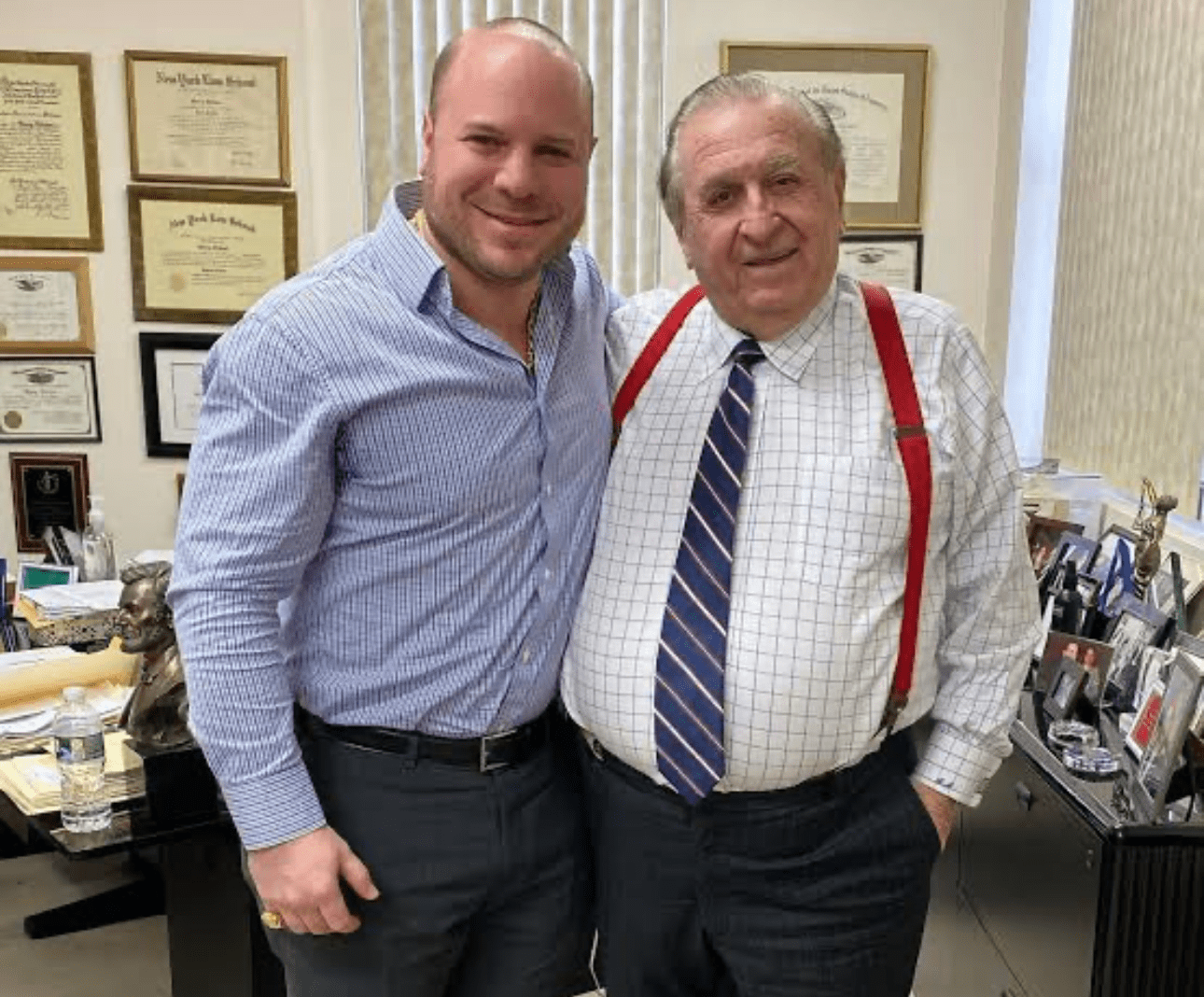
Friendship or Career
But even in the practice of this invincible lawyer, there were cases that left a bitter aftertaste. One of them was a high-profile scandal in 2006. That’s when former New York State Senator Efrain Gonzalez appeared before a judge in Federal District Court in Manhattan. He looked calm, even though the case, for which he faced a serious penalty, was being discussed by all the media. When the judge asked if he pleaded guilty, he replied, “Yes, your honor.”
At the time, it seemed the case was over, and the lawyer Murray Richman had confidently played his part. But a few weeks later, the former senator completely changed his mind. He decided he was actually innocent and that his friendship with his lawyer had turned his choice into a fatal one. Gonzalez claimed that Richman, his close friend of over forty years, hadn’t properly prepared the case, failed to question key witnesses, and had essentially forced him to sign the guilty plea.
Richman, a lawyer with almost half a century of experience, was known for defending famous politicians, mobsters, police officers, and rap stars. But the Gonzalez case was a painful reminder of the difficulty of blending friendship and professionalism.
“It’s tough to represent a close friend,” he admitted, “because the lines between friendship and professionalism blur. And sometimes you have to say things your friend doesn’t want to hear.”
The prosecution flatly rejected Gonzalez’s story, insisting that Richman’s team had meticulously worked on the case and that the plea was entirely conscious. In a written statement, Gonzalez said that a few minutes before the hearing, he and Richman were in the cafeteria, and the lawyer allegedly insisted that the senator plead guilty. The politician succumbed to the pressure without fully understanding the meaning of his words. He later confessed that he felt powerless: on one hand, he had trust in his friend; on the other, the fear of being left without a lawyer, as he couldn’t financially afford a replacement.
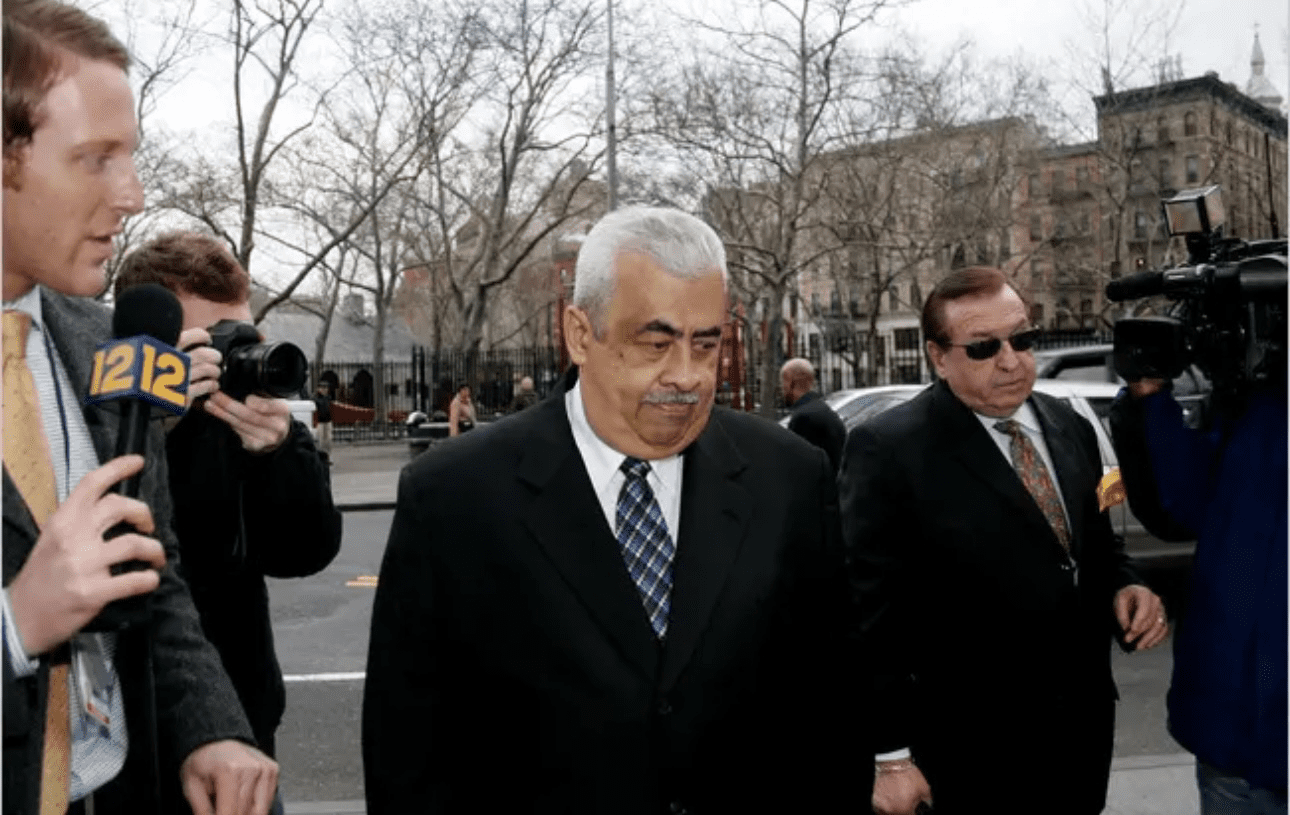
The prosecutors didn’t believe the story, arguing that Gonzalez quickly pleaded guilty only after learning that the most serious charge against him would be dropped. But even after all the legal turmoil, Richman remained true to his feelings. He said he still loved his friend and hoped their friendship would one day be restored. Even the breakup didn’t destroy his conviction that he could one day take on a loved one’s case again.
The story of Gonzalez and Richman served as a reminder of how difficult it is to combine friendship and professionalism in the legal world. It showed that even a legendary lawyer, accustomed to high-profile cases and big clients, can find himself in a trap of moral choice.
A Family Business
Despite all his accomplishments, what was more important to Murray than just defending clients was passing his expertise on to a new generation. The family dynasty was continued by Richman’s daughter, Stacey. She worked in California for five years to gain experience, then joined her father to jointly defend clients in Bronx and Manhattan courts.
At the same time, Murray introduced Stacey to Renée Hill, who had started working with him after graduating from law school in 1992. In 2011, the women founded their own firm, Richman Hill & Associates.

Richman supported Stacey and Renée in their most high-profile cases, but at the same time, he knew that the time had come for his main role to be that of a mentor and strategist:
“I don’t just take cases in my own hands anymore; now I’m building an army of people who are capable of fighting for justice the way I have my entire life.”
Stacey also participated in the Innocence Project with Barry Scheck and Peter Neufeld, helping to free the wrongfully convicted. She emphasized:
“It’s really rewarding to be able to make a difference, to ensure that an innocent person doesn’t become a victim of the system. That’s what it’s all about.”
The Richman family’s story is one of succession, dedication, and the nobility of the profession. Stacey and Renée carry on Murray’s tradition, combining expertise, determination, and genuine care for their clients.
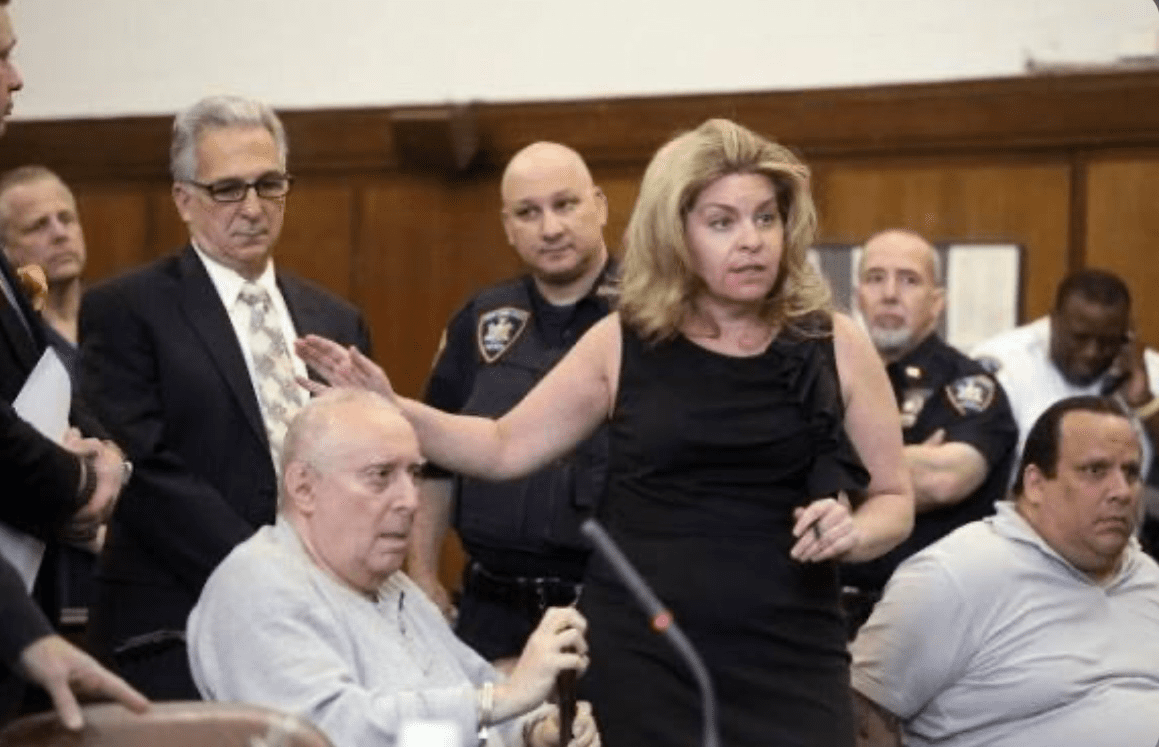
True Recognition
Murray Richman’s name wasn’t only heard in courtrooms. Once, after a court session, his client, DMX, was overcome with emotion and dedicated a verse in his own song to the lawyer:
“We ain’t worried ’bout Murray, / Get us out the can fast as possible, / When the government’s trying to put us in the box.”
For Richman, working with clients was always more than just legal cases—it was a duty, a philosophy, and even an art.
As documentarian Errol Morris recounted, Murray even secured an acquittal for a man who had stabbed his victim seven times by convincing the jury that the victim was constantly “retreating from the knife.” That was his style—seeing weaknesses, turning them into strengths, and winning where others seemed helpless.
The success story of this flamboyant lawyer inspired Hollywood creators Danny Strong, David O. Russell, and Robert De Niro to create a dramatic series about a father-daughter law firm. The series aims to convey not only clever courtroom strategies but also the spirit of the Bronx, its people, and its history. While this project is still in development, the famous lawyer did delight his fans with an appearance on the big screen. He can be seen in the interview series “First Person” in the episode titled “The Only Truth.”
Murray Richman left his mark not only in the courts of New York but also in its culture and in the hearts of those he defended.