

Craig Mack was once part of a team with the controversial P. Diddy, who was just beginning to build his hip-hop empire. Mack’s hit “Flava in Ya Ear” was a true breakthrough that launched a new era in the rap industry. But then, he suddenly disappeared, and it wasn’t until years later that everyone learned he had become fanatically devoted to religion. Perhaps if not for this, the artist would have had more well-known hits to his name. This article from bronxski will tell the story of his short and difficult life and his spiritual choice.
Signing with Bad Boy Records
Craig Mack’s passion for rap began in his teens. His first experience on stage was with the duo MC EZ & Troup (Craig Mack and Teddy Lee), which recorded only one single, “Just Rhymin’/Get Retarded,” in 1988. When his solo career stalled, Craig decided to observe other artists. Mack had a good relationship with the hip-hop duo EPMD and arranged to help them with their gear and equipment on tour. So, Mack hit the road with his friends, immersing himself in the wild world of show business and gradually learning how it all worked.
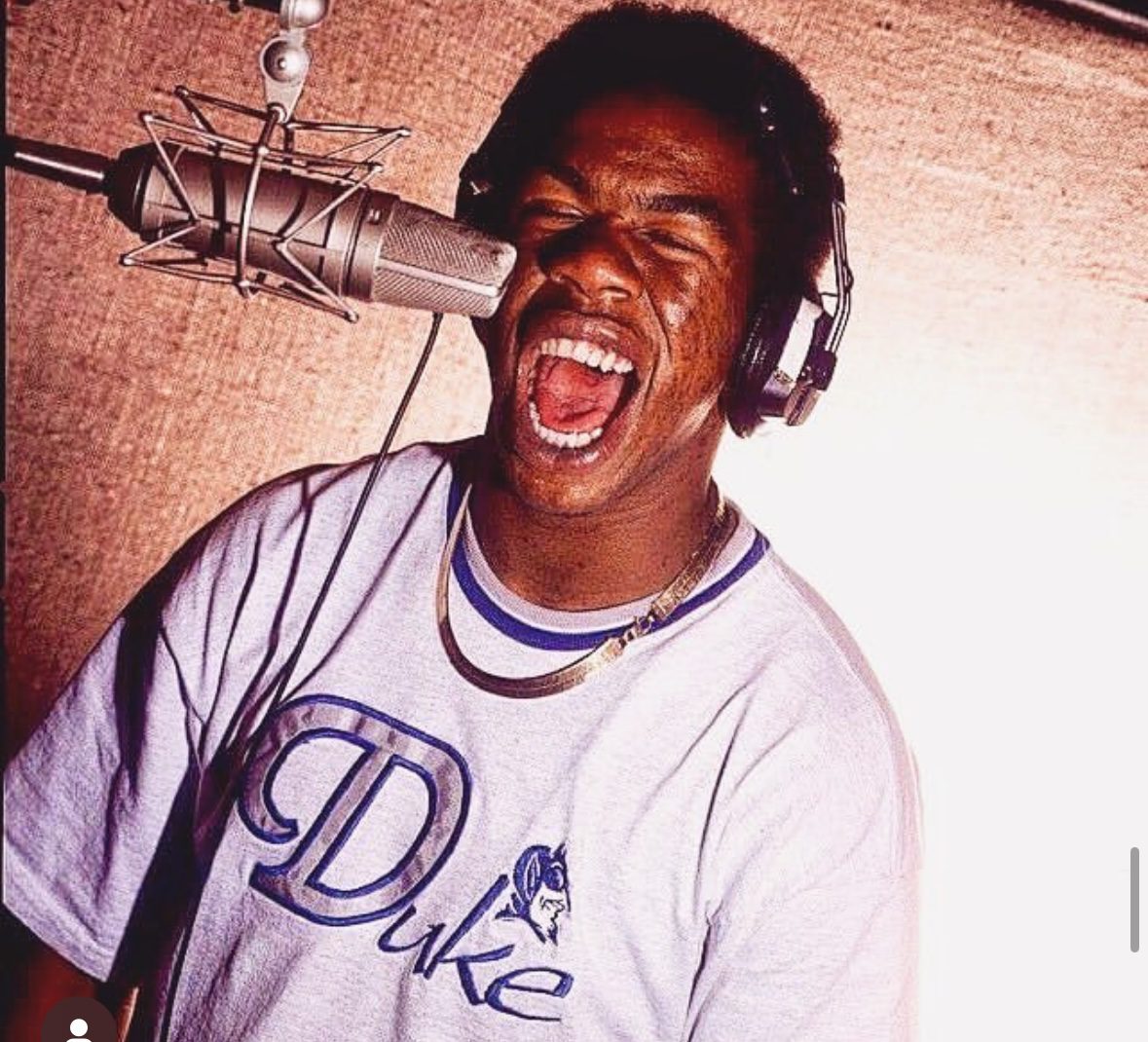
This went on for several years. Then, one day, he got the chance he couldn’t afford to lose. Outside a club, Craig Mack met Sean Combs, known as Puff Daddy, and offered to let him listen to his rap. Daddy was so impressed with Mack’s performance that he felt he had to keep this guy around. In 1993, he offered Craig a spot on the remix for Mary J. Blige’s song “You Don’t Have to Worry,” and soon after, a contract with the Bad Boy label.
A Legendary Track
At one point, Combs gathered musicians in the basement of his Scarsdale mansion for a listening session and to generate new ideas. After the dismissal of a 23-year-old A&R executive from Uptown Records, Combs was determined to get back on top. With a $10 million backing from his new parent label, Arista Records, he aimed to create genuine hits for Bad Boy that would make it famous. Diddy also invited Mack and his team to listen to and select tracks for Craig’s debut album, “Project Funk Da World.” As they were working with beats from the popular producer Easy Mo Bee, a simple two-note melody suddenly came through the speakers. It’s often said that genius is simple. A true explosion of emotion happened in that basement.
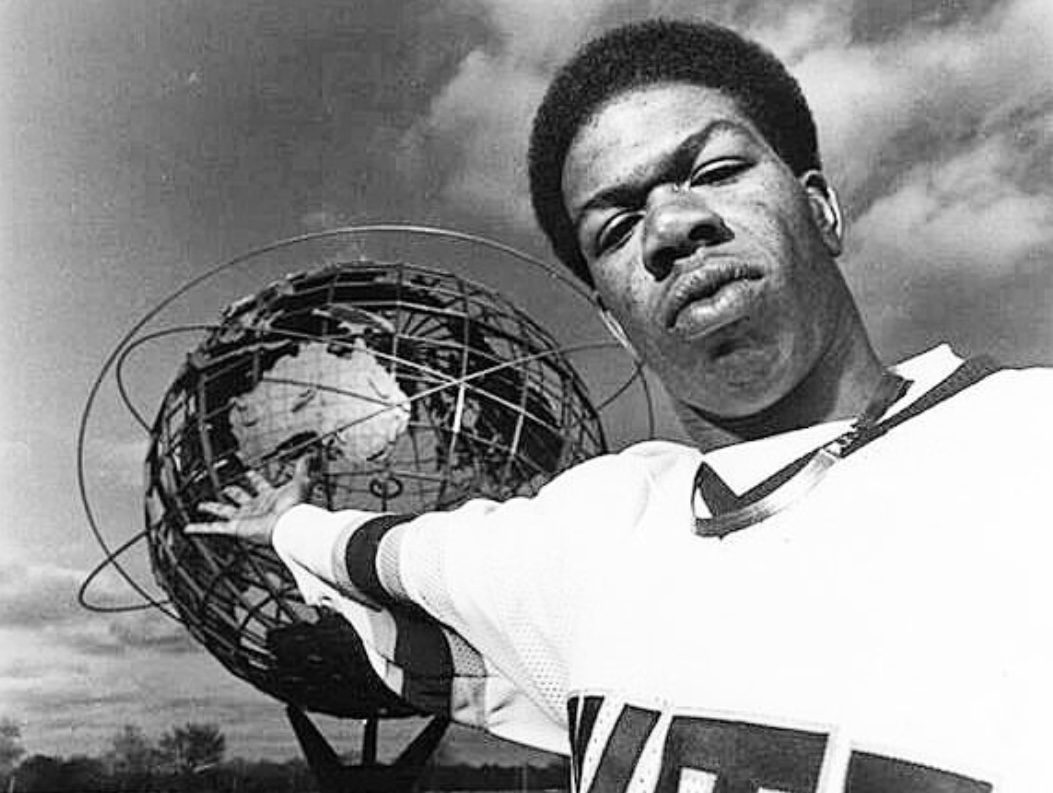
“Everybody was going crazy. We were like, ‘Oh my God!'” says Gene Nelson, Mack’s first co-manager. Everyone knew the beat was a path to a hit. But on the drive back to Long Island, where he lived, Mack bluntly told Nelson and his team: “I really don’t like that beat.”
Nelson laughs, recalling that moment. Having been friends with Craig Mack since elementary school in Brentwood and touring the world together, Nelson was more familiar than anyone with his quirks.
“Craig is always the guy, if everyone is going right, he’s going left,” he explains. “That’s one of the things I love about him, but it’s one of the things that also concerned me because it got in the way of business and his well-being.”
However, Mack eventually agreed, and Easy Mo Bee’s beat, combined with the rapper’s unique style, made “Flava in Ya Ear” a massive hit. The song was a radio smash on Hot 97 and topped Billboard’s Hot Rap Songs chart for 14 weeks, earning a platinum certification.
Lionel Ridenour, former Senior Vice President of Arista Records, notes that Craig Mack was a key asset for Combs and Bad Boy in their early years. He played a leading role in establishing the label, and his hit “Flava in Ya Ear” became Diddy’s ticket into the big leagues of show business. “The track became an anthem that put Bad Boy on the map,” Ridenour adds, “and demonstrated Combs’ hands-on approach in all aspects, including production, style, and creative direction, which would become a hallmark of the label’s future success.”
Rising Tensions and Impulsive Decisions
Combs and Mack were two self-sufficient, strong personalities. So, it’s no surprise that creative and personal conflicts constantly flared up between them. In the 2017 documentary “Crazy Like That Glue,” Mack’s former co-manager Antar Le Gendre recounted how Combs once came into his office wearing a suit, and Mack laughed at him. This annoyed Combs, as no one had ever shown him such disrespectful behavior.
Craig Mack often visited the Bad Boy office to voice his dissatisfaction with finances, a lack of studio time, and other issues. He was openly vocal about his complaints, which irritated and angered Combs, who believed that artists should be grateful for the opportunity to work with him.
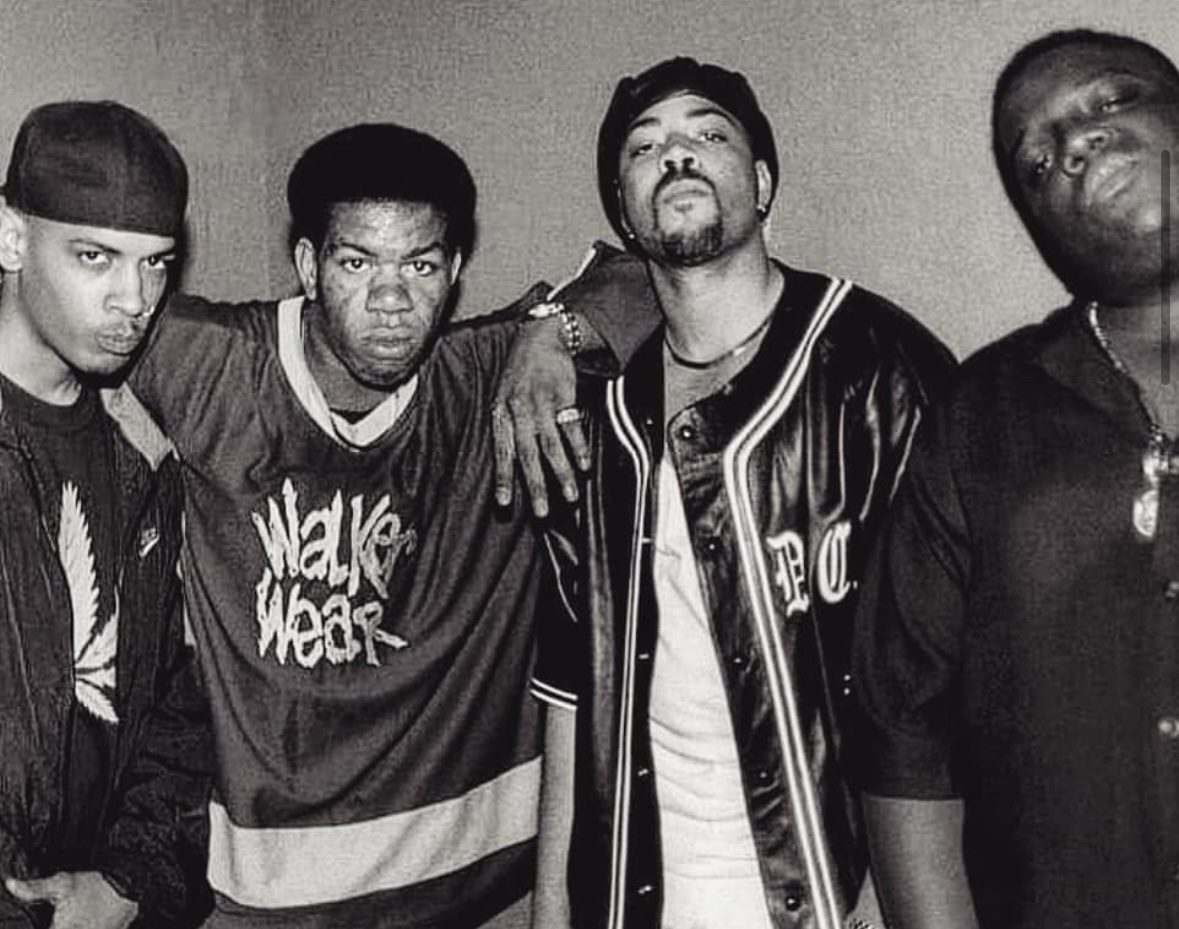
While Mack was facing financial hardship with a baby on the way, his career began to slow down. Money from touring was running out, and the $25,000 advance he’d received was long gone. Craig approached Diddy at an event. Diddy allegedly pulled a thick wad of bills from his pocket and, with an arrogant and smug look, handed Mack a single $100 bill. After this incident, the relationship between Craig and Sean was irrevocably broken.
In April 1996, Mack filed for bankruptcy to get out of his contractual obligations with Bad Boy. The label offered him favorable terms to stay, but Mack was unyielding in his desire for freedom.
Craig had secretly been planning his release from Diddy’s control for some time and had been meeting with Suge Knight from Death Row. However, rumors of these negotiations reached Bad Boy. After Tupac Shakur’s murder in September 1996, tensions between the parties peaked, and Mack’s plans to move to Death Row were postponed. He feared the consequences of his actions, as Combs was incredibly furious. So, Craig decided to simply step away from the music scene for a while and take a break.
Read the article about rap and hip-hop legend Afrika Bambaataa here.
Running from Everything and Himself
A crisis also hit the rapper’s personal life. His marriage to Gill-Johnson ended in divorce in 1999, when their children, Amanda and Asah, were still young. Mack took custody of the children, and his ex-wife barely resisted his decision. After the divorce, Craig moved in with his mother and started working as a watchman. Money was tight, and the household situation was complicated by the arrival of two women. One was Yoko, who became a nanny for the children; Mack had met her while on tour in Japan. The other woman, Baakia Muhammad, was helping him with his production business.
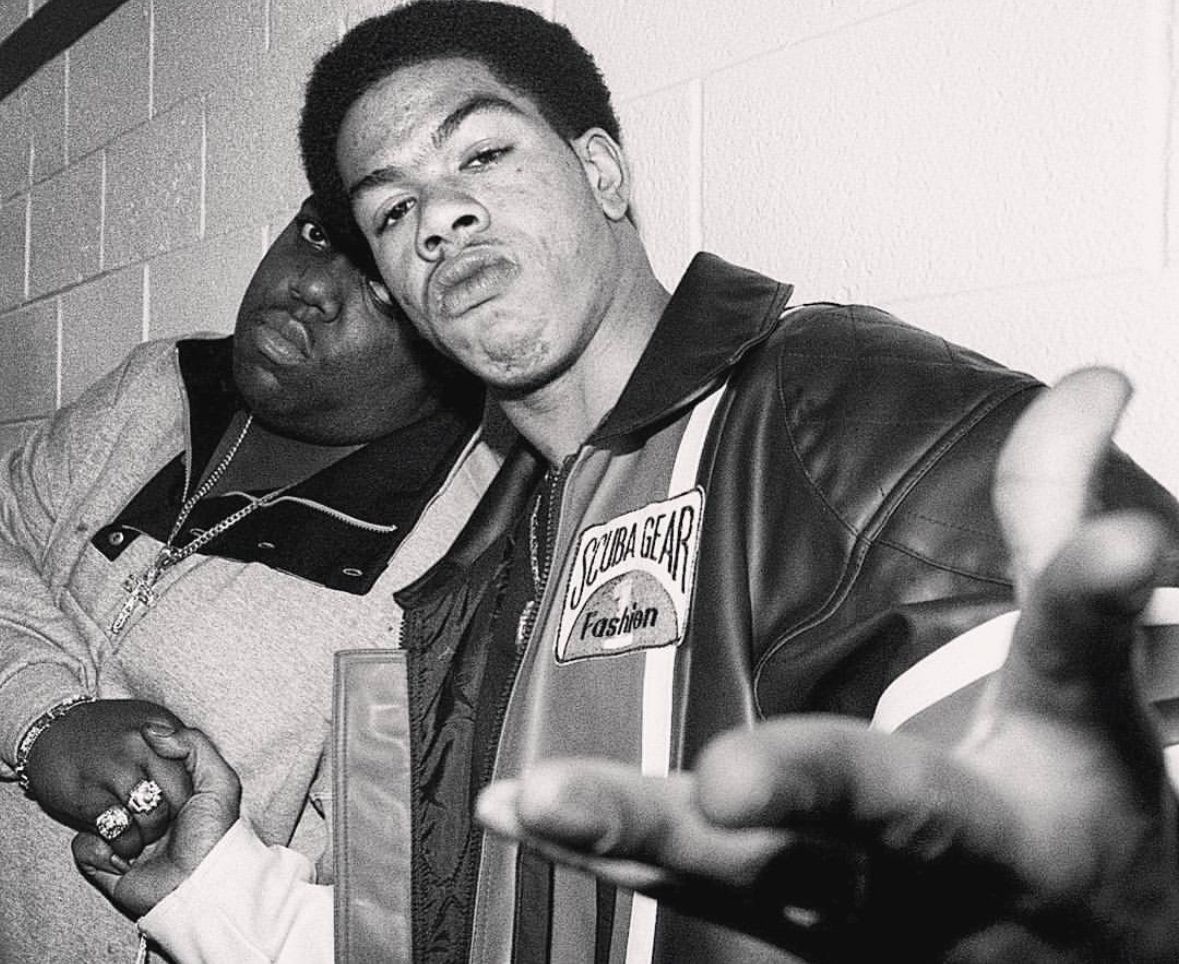
Around this time, Mack became deeply engrossed in religion. The voice of a preacher constantly played on the radio, beginning to influence the lives of everyone in the house, including the children.
One evening, Mack called a family meeting, unexpectedly announcing his plan to move to Mississippi. The children were initially excited, thinking it would be an adventure, but they soon realized things would be very different.
Until then, Mack had been a fun and unconventional father; he let his kids eat unlimited sweets and watch TV late into the night. But he soon began to restrict all their entertainment. Craig also forced the children to constantly listen to sermons and insisted that science was evil. Amanda was even pulled out of school. In the spring of 2007, Craig, along with his children, Yoko, and Muhammad, set off on a journey.
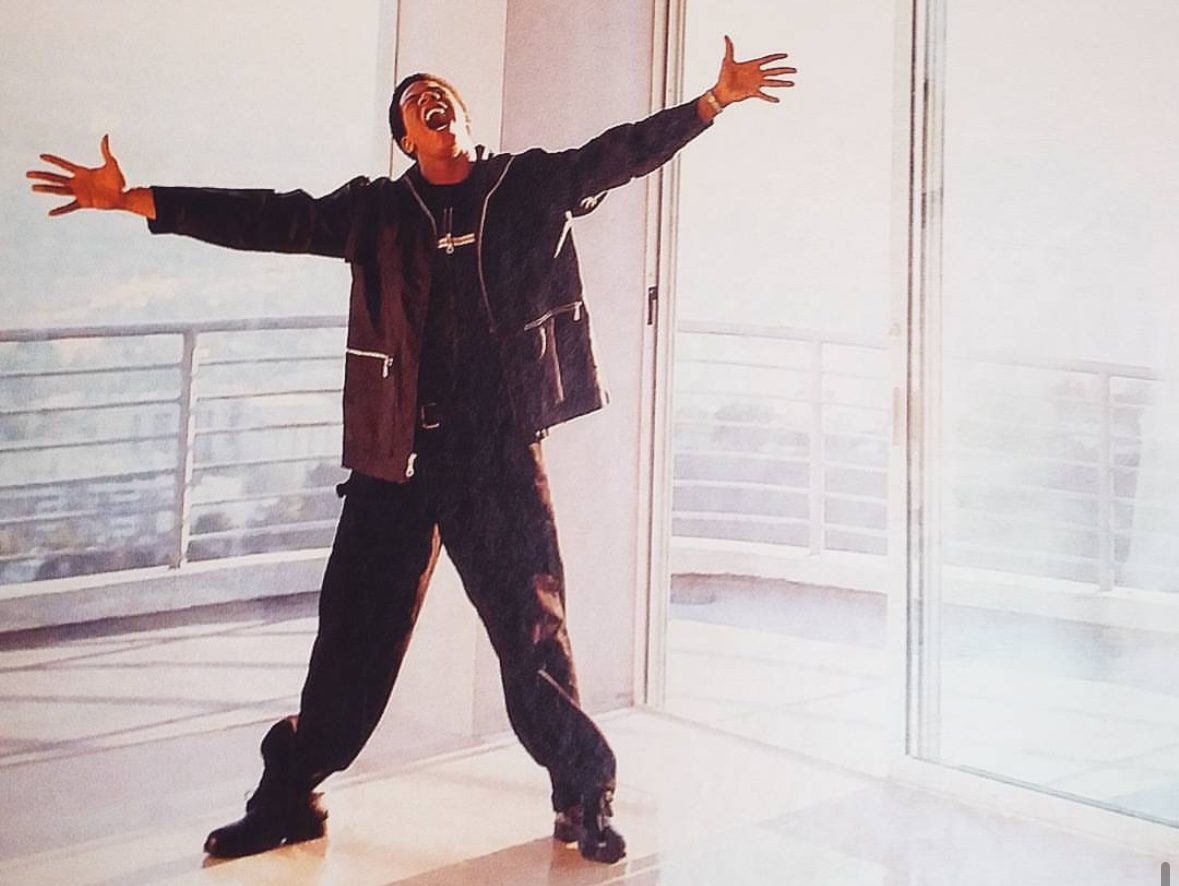
It’s unclear if Mack intended to reach Mississippi, but in the small town of Walterboro, South Carolina, he turned off the road and went to a church where he met Brother Ralph Gordon Stair, an end-times “prophet” who led the Overcomer community. They stayed there. No one knew what had happened to the rapper; he cut off ties with everyone from his previous life. Mack first appeared publicly in a YouTube video in 2012, where he announced a new path of “righteousness.”
“It was hell. The first three years were the worst,” Amanda says of her life at Overcomer. After moving, the family lived in motels and then settled in a trailer on the outskirts of town. Mack worked at a local school, helping students with special needs, while the children worked on the farm.
“It’s brainwashing, it’s so intense,” says Stacey Yates, a former Overcomer member who escaped after seven years. “You hear his preaching constantly. He has loudspeakers, you listen to him almost 24/7. All you hear is his voice and his dogma all the time.”
A Sad End
The children rarely left the trailer, attending only an unaccredited church school where Amanda became an unpaid teacher after graduating.
Two days after her 18th birthday in the summer of 2014, she married a church member despite Brother Stair’s objections and moved in with her new husband, leaving the church. A short time later, Asah, her 16-year-old brother, also decided to leave.
With access to social media, Amanda began reconnecting with relatives from Long Island she remembered from her childhood. Craig’s brother Andrew, along with his wife, traveled to South Carolina to pick up their niece and nephew. Although Amanda and Asah asked Mack to leave South Carolina with them, he refused, offended by his children’s decision. Mack remained dedicated to the Overcomer church and claimed he was “exactly where he was supposed to be.” His health deteriorated; he was often sick and began using a cane. Mack later learned he had congestive heart failure. Amanda noted that seeking medical care was forbidden due to Brother Stair’s teachings about not trusting God. However, Mack sometimes took the risk and took medication.

By March 2018, Mack could no longer hide his condition; he was bedridden. Muhammad called Mack’s children in Vermont—it was time to say goodbye. Andrew, Amanda, and Asah drove all night back to the trailer the children had fled years earlier. They were unaware of the seriousness of Mack’s illness and were stunned when they saw him. “I had never seen a person in that state before,” Andrew admits. “He was catatonic.”
The children and Andrew spent a few days by his side. Amanda never left her father’s bedside. Craig Mack died at the age of 47. The day after his death, church members lowered his simple gray coffin into the grave. Yoko and Muhammad still live on that farm and refuse to give any interviews.
Read the success story of another famous hip-hop group from the Bronx here.