

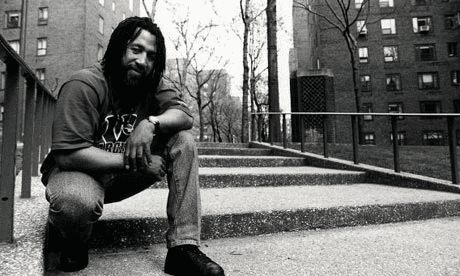
“I grew up in the Bronx, where hip-hop was born,” “I was born and raised in the Bronx, so I call it home,” and “Through struggle and pain, we rise in the Bronx.” These are just a few snippets from rap tracks inspired by the Bronx, the birthplace of both rap and hip-hop. Rap became the foundational element of hip-hop, a culture that emerged in this New York borough. At its genesis stood Kool Herc, a trailblazer whose story is explored in detail by bronxski.com.
Rap and Hip-Hop
As noted by people.artcenter.edu, rap is the ultimate creative expression of America’s minority communities, including African, Oceanic, Latin American, and Caribbean populations. However, many older Americans view rap music not as art but as a fleeting trend they hope will fade away. Regardless of opinion, rap maintains a strong presence in the music industry today.
And what about hip-hop? Hip-hop is more than just music—it is a street dance style intrinsically tied to music and culture. It incorporates elements like breakdancing, locking, and popping. To understand DJ Kool Herc, one must also understand rap and hip-hop. Similarly, studying American rap music requires delving into the broader culture of hip-hop, within which rap exists as a vital yet distinct component.
Causes and Preconditions for the Rise of Hip-Hop Culture
Hip-hop is not only music but also graffiti, breakdancing, fashion, and the people who embody this culture. Its emergence was influenced by several factors. In 1959, Robert Moses, a key figure in New York City’s urban development, began constructing an expressway through the Bronx. This project displaced Irish, German, Italian, and Jewish middle-class communities, replacing them with impoverished African-American and Latino families. Alongside these new residents came poverty, crime, drug addiction, and unemployment.
In 1968, a cooperative housing complex with 15,382 units was completed in the Bronx, adjacent to the expressway. This project prompted the departure of the middle class, leaving behind numerous vacant apartments and neglected buildings. Landlords began renting out properties to low-income tenants, leading to further urban decline.
Another key factor was the rise of street gangs. Moses’s housing project contributed to the emergence of groups like the Bronxdale-based teenage gang, which inspired other gangs across the borough. Over time, smaller gangs were absorbed by larger ones, and some turned to drug dealing, while others faded from prominence. A lasting legacy of these gangs was the rise of graffiti, which became a crucial element of hip-hop culture.
As hip-hop developed, graffiti artists formed groups, the first and largest of which was the Ex-Vandals. Another notable group was the Independent Writers. Graffiti artists often listened to music while they worked, and Jamaican music had a particularly strong influence on the spread of their art and culture.
Kool Herc and the Birth of Hip-Hop
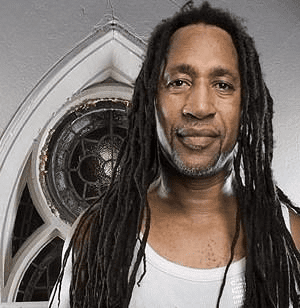
Clive Campbell, better known as Kool Herc, was born on April 16, 1955, in Kingston, Jamaica. At age 12, he moved with his family to the Bronx. He attended Alfred E. Smith High School, where he spent significant time in the gym, earning him the nickname Hercules due to his height and fitness. However, he also became involved with the graffiti crew Ex-Vandals.
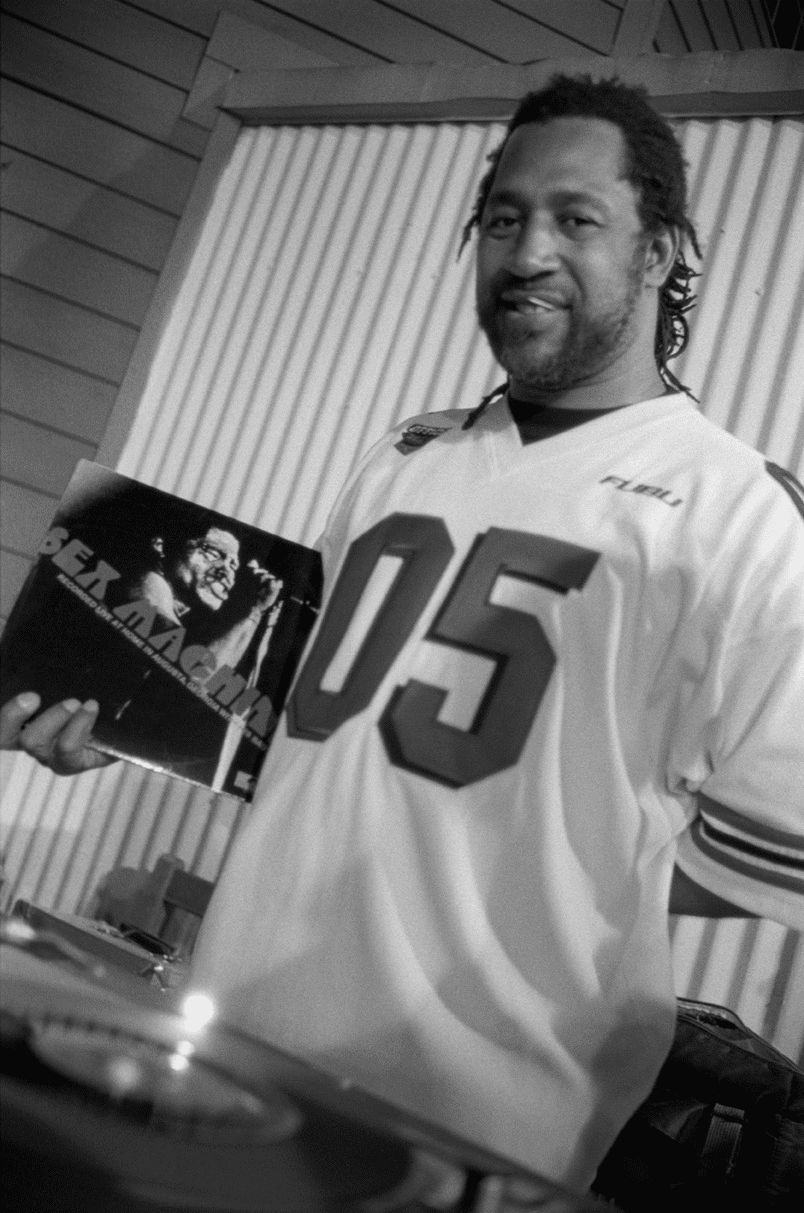
Herc’s musical journey began when he convinced his father to buy him a copy of James Brown’s Sex Machine. This exclusive record attracted friends to his home on 1520 Sedgwick Avenue, where Herc began his DJ career. He wanted to improve dance music by isolating the instrumental breaks in songs. These brief rhythmic interludes were popular with dancers, and Herc sought to extend them. His approach became a cornerstone of hip-hop.
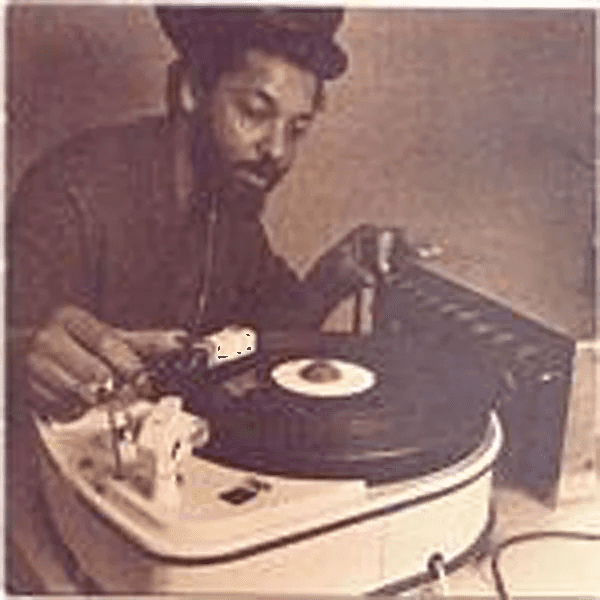
Herc’s innovation involved using two copies of the same record on different turntables. By playing the breakbeat on one turntable and switching to the other, he created a continuous rhythm loop. This technique, known as “the Merry-Go-Round,” captivated audiences and drove the youth of the Bronx to his parties.
Musical Career
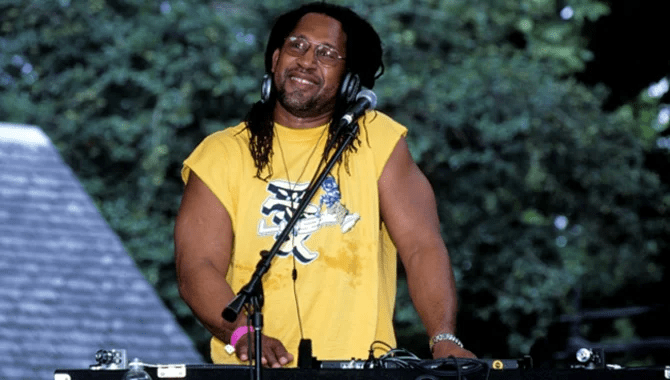
Herc’s first DJ gig was at the Twilight Zone in 1973. His reputation grew quickly. Alongside his music, Herc became known for his powerful sound system. He connected two turntables to two amplifiers and used Shure’s “Vocal Master” speaker system. When Herc hosted a party in the park, it was a massive event that drew large crowds.
By 1975, Herc was performing at the Hevalo in the Bronx. He had previously played at Sparkle on Jerome Avenue, as well as Twilight Zone, Executive Playhouse, and other venues like PAL on 183rd Street and Dodge and Taft high schools.
Herc coined the term “b-boy” (break boy) and is humorously referred to as the “oldest b-boy.” To protect his innovations, Herc began removing labels from his records to prevent competitors from copying his beats. As his turntable skills intensified, he needed someone to engage the crowd, leading to the concept of an emcee.
Herc’s sister Cindy played a crucial role in his success. She created flyers announcing his events, managed his style, and contributed significantly to spreading hip-hop music.
Kool Herc’s Legacy
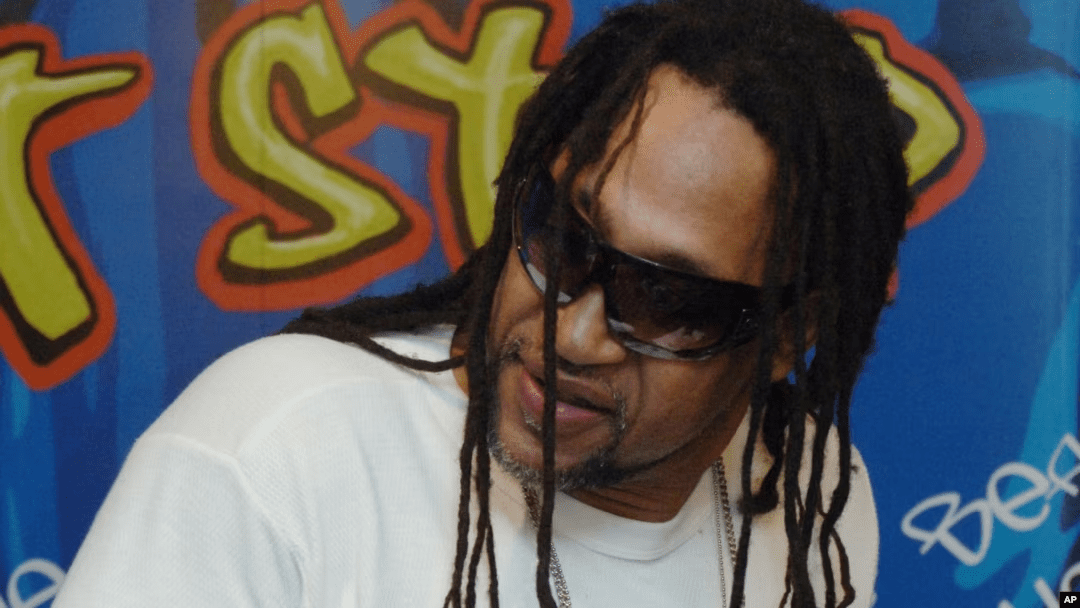
Kool Herc is celebrated not only for pioneering hip-hop but also for introducing rhyming into the genre. His music featured call-and-response phrases like “B-boys, b-girls, are you ready?” and “In time, everybody! Don’t stop!” For these contributions, he is known as the “Father of Hip-Hop” and a “folk hero of culture.”
The End of His Career
Herc’s career began to decline in 1977 as new acts like Grandmaster Flash and the Furious Five gained prominence. During one of his parties, Herc was stabbed three times, an incident that significantly impacted his health and career.
One of Herc’s last major parties took place in 1984 at Old School. In 1994, he contributed to the album Terminator X & the Godfathers of Threatt Super Bad. In 2005, he appeared in the musical Top 5 (Dead or Alive). In 2006, Herc participated in the Smithsonian Institution’s hip-hop celebration, solidifying his place in history.