
The Bronx is rightfully considered the birthplace of hip-hop, home to legendary DJs such as Kool Herc, Grandmaster Flash, Afrika Bambaataa, and others. Among these pioneers, Boogie Down Productions (BDP) occupies a prominent place in hip-hop’s hall of fame. The story of this influential group is explored by bronxski.com.
A Brief Overview of the Group
According to WayneAndWax.com, Boogie Down Productions (BDP) is a New York-based group that reached the height of its fame in the Bronx. Named after a neighborhood in the South Bronx, the group focused on dancehall reggae and hip-hop. Their music often depicted the harsh realities of life for African Americans in the South Bronx during the 1980s. This raw and honest portrayal eventually laid the groundwork for the subgenre known as gangsta rap.
Jamaican Influence
The development of hip-hop and rap was significantly shaped by the cultural contributions of West Indian and Caribbean immigrants, particularly those from Jamaica. Reggae, a musical style that originated in Jamaica, was heavily influenced by Caribbean music and New Orleans blues. By the 1980s and 1990s, as the second generation of Jamaican Americans came of age, reggae’s presence in the United States grew, contributing to the cultural shift in the Bronx.
Jamaican immigrants brought not only reggae but also DJs, dance halls, and even gang culture to the U.S., influencing African American youth in the Bronx. This intersection of cultures is evident in the inclusion of the reggae hit “Zunguzung” by Yellowman on BDP’s Criminal Minded album. The song, later covered by artists like Black Star and Dead Prez, underscored the Jamaican roots in hip-hop and highlighted BDP’s role in amplifying this influence.
Members and Formation of the Group
Boogie Down Productions was formed in 1986 on the streets of the South Bronx. The group’s core members included rapper KRS-One, who remained its constant figure, producer Lee Smith, DJ and producer Scott Monroe Sterling (known as Scott La Rock), and others like Ced Gee, D-Nice, Henry Wilkerson (PoppyDa), and Kenny Parker. Over time, the group also featured several energetic hip-hop dancers and DJs.
In 1992, the group disbanded as KRS-One launched his solo career.
BDP and Hip-Hop
In the late 1980s, BDP played a central role in the debate over hip-hop’s origins. The group staunchly claimed that hip-hop was born on the streets of the Bronx. This position clashed with rival group Juice Crew, whose song “The Bridge” implied that hip-hop originated in Queensbridge. BDP responded with tracks like The Bridge is Over and South Bronx, igniting the first significant hip-hop feud. However, after Scott La Rock’s death in 1987, BDP shifted its focus to socially conscious music, leaving the feud behind.
Social Themes in BDP’s Hip-Hop
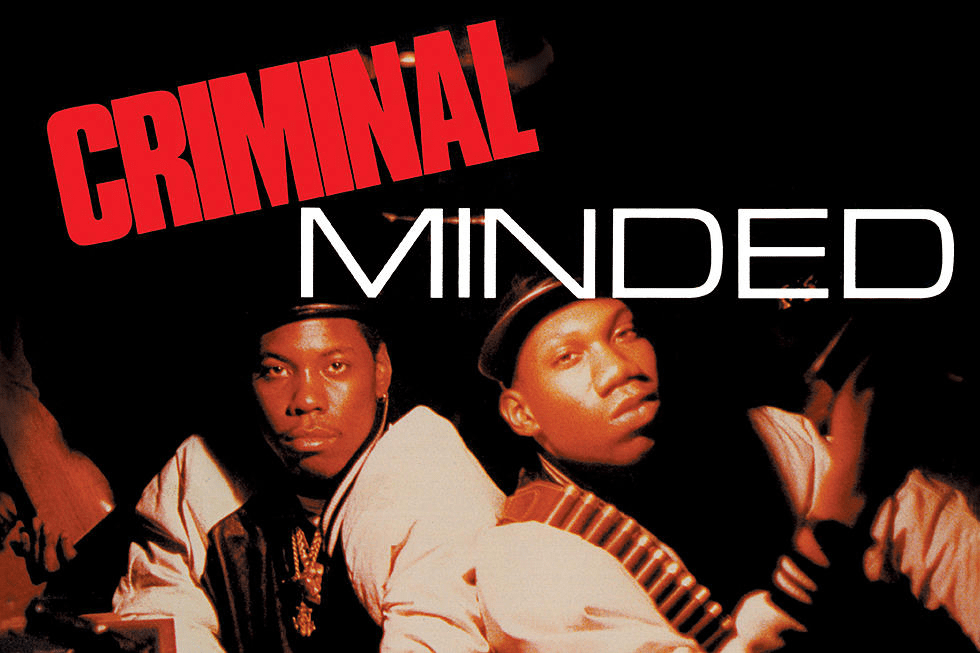
BDP’s debut album, Criminal Minded, featured vivid depictions of the challenges of life in the South Bronx. After Scott La Rock’s death, the group placed greater emphasis on social issues, creating socially conscious hip-hop. The 1988 track Stop the Violence, from the album By All Means Necessary, exemplified this shift, promoting nonviolence and community awareness.
Political and Social Activism
From the outset, BDP sought to shed light on the realities of poverty and crime in the South Bronx. Their music played a pivotal role in the emergence of gangsta rap, a genre often misunderstood as glorifying violence. However, BDP’s work aimed to challenge violence rather than promote it. For instance, the cover of Criminal Minded features two men holding weapons—a critique of systemic inequality, not an endorsement of criminality.
Following Scott La Rock’s death, the group’s music became even more politically charged. KRS-One released four albums that built on the themes of Criminal Minded while introducing new innovations. These works addressed crime, Black radicalism, and systemic oppression. BDP also collaborated with other rappers in the Stop the Violence movement, combining music with activism. Their 1989 single Self-Destruction highlighted violence within Black communities and hip-hop culture. Proceeds from the track were donated to the National Urban League, a longstanding civil rights organization.
The Group’s Dissolution
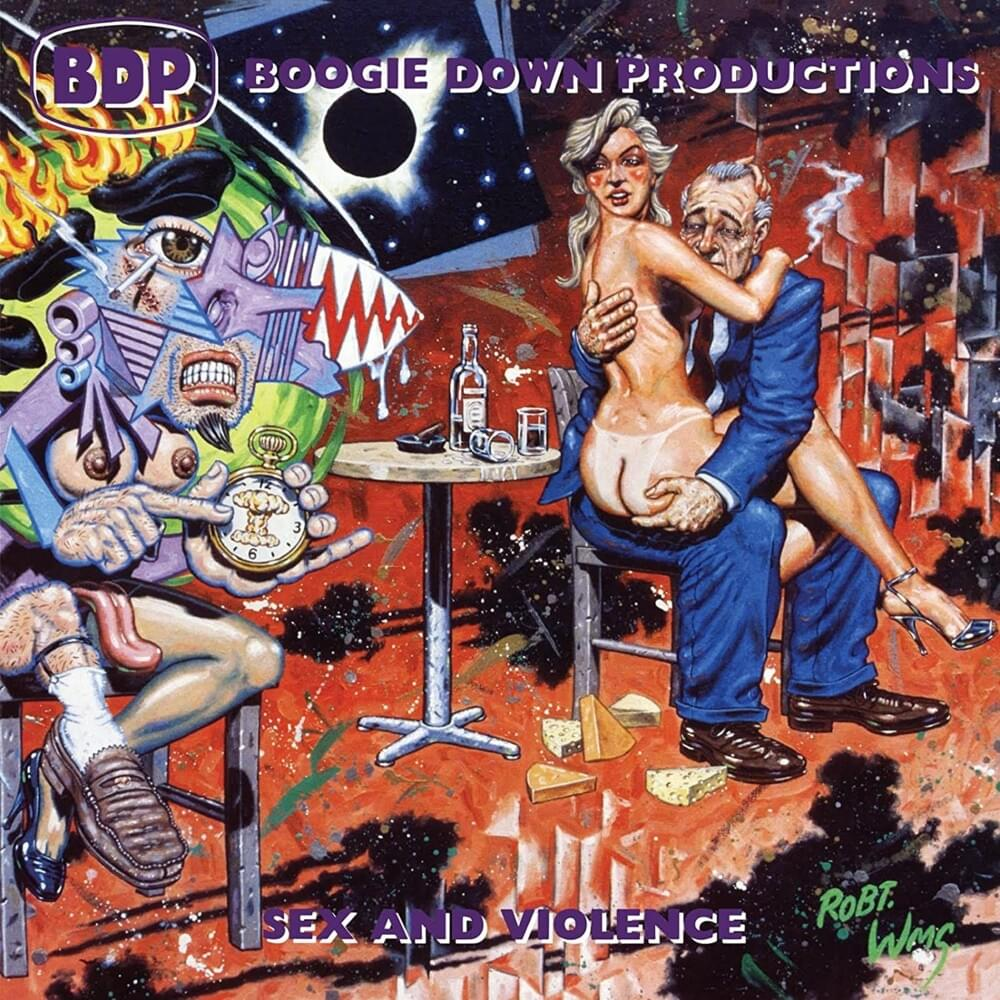
Boogie Down Productions disbanded in 1992 after nearly a decade of influence. The group faced challenges early on, particularly with the death of Scott La Rock, but KRS-One’s leadership ensured their competitiveness in the hip-hop scene. Their final album, Sex and Violence, released in 1992, showcased the group’s signature style with bold imagery and provocative themes. The cover features an elderly man holding a stopwatch while standing beside a heavily made-up woman, with a nuclear explosion in the background—a stark commentary on societal issues.
What’s your take on Boogie Down Productions?