

Generations of Americans grew up with this comedy show. For 17 years, audiences eagerly followed the life of a Jewish family from the Bronx on the radio. Then, in 1946, fans of “The Goldbergs” finally got to see their beloved characters on the television screen. In this article on bronxski, we’ll explore the show’s creation, the secret to its success, and its remarkable longevity.
The Show’s Creation
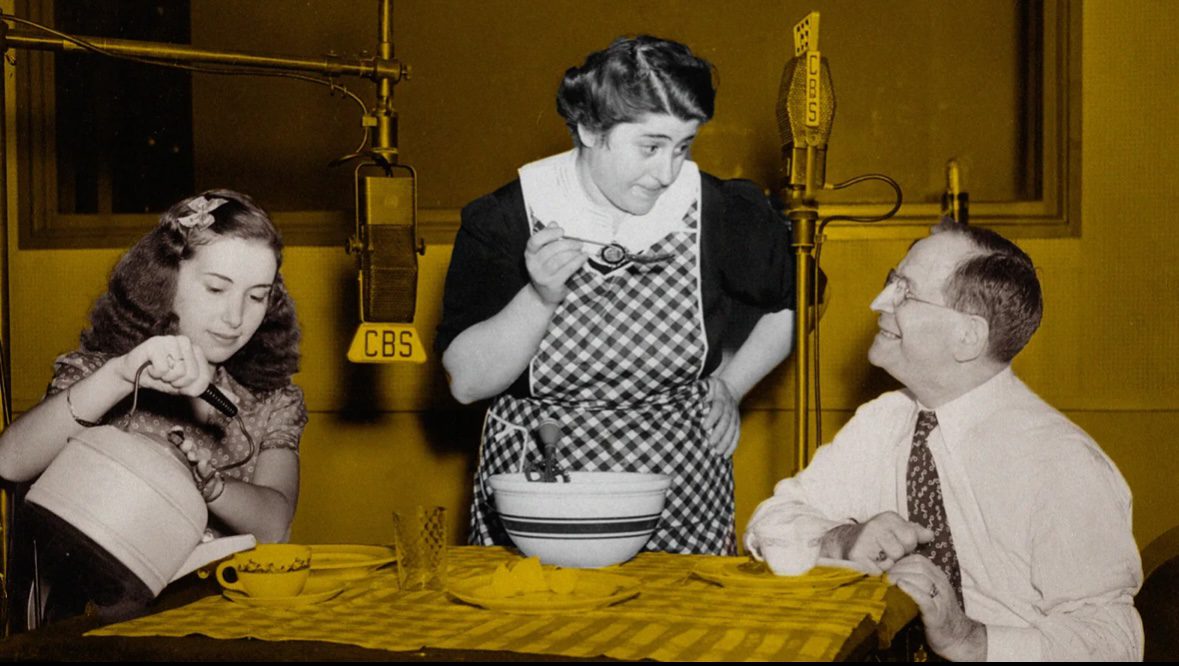
American actress and screenwriter Tillie Edelstein, who later adopted the pseudonym Gertrude Berg, was born into a Jewish family in New York City. At 20, she married and later had two children. However, after a major fire destroyed the sugar factory where her husband worked, the family faced severe financial hardship. To support her children, Berg began writing a script for a comedy program, a very popular format on the radio at the time. She based the plot on the everyday life of a traditional Jewish family, setting it at 1038 East Tremont Avenue in the Bronx. The show became semi-autobiographical, as Berg drew ideas for each episode from the lives of her own family, close friends, and relatives. Gertrude poured her heart and soul into every episode, and while writing one scene, she realized no one else could truly capture her vision. This led her to a pivotal decision: she would play the lead role of Molly herself, setting the tone for the show and giving it a vibrant Jewish character.
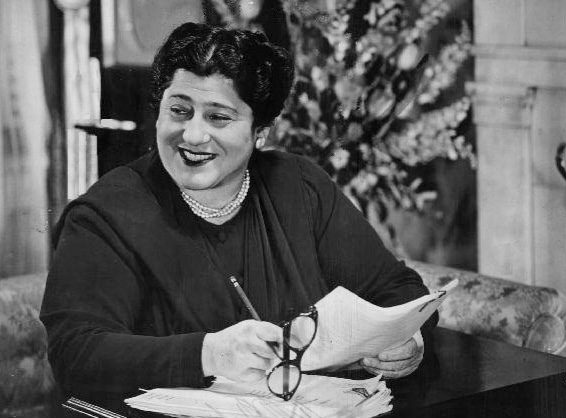
Molly Goldberg is a kind-hearted but meddling mother of two who constantly involves herself in everyone’s business, trying to solve the numerous problems that arise among family, neighbors, and friends. Initially, the show depicted the life of a large family in a tenement apartment building, but to add more dynamic storylines, Gertrude decided to orchestrate a major move for the Goldbergs to the suburbs.
The new show launched as a weekly 15-minute program titled “The Rise of the Goldbergs” on November 20, 1929. Its popularity grew steadily, and by 1931, it became a daily broadcast. At first, Berg’s salary was just $75 a week, but even at the height of the Great Depression, it soared to an impressive $2,000 a week.
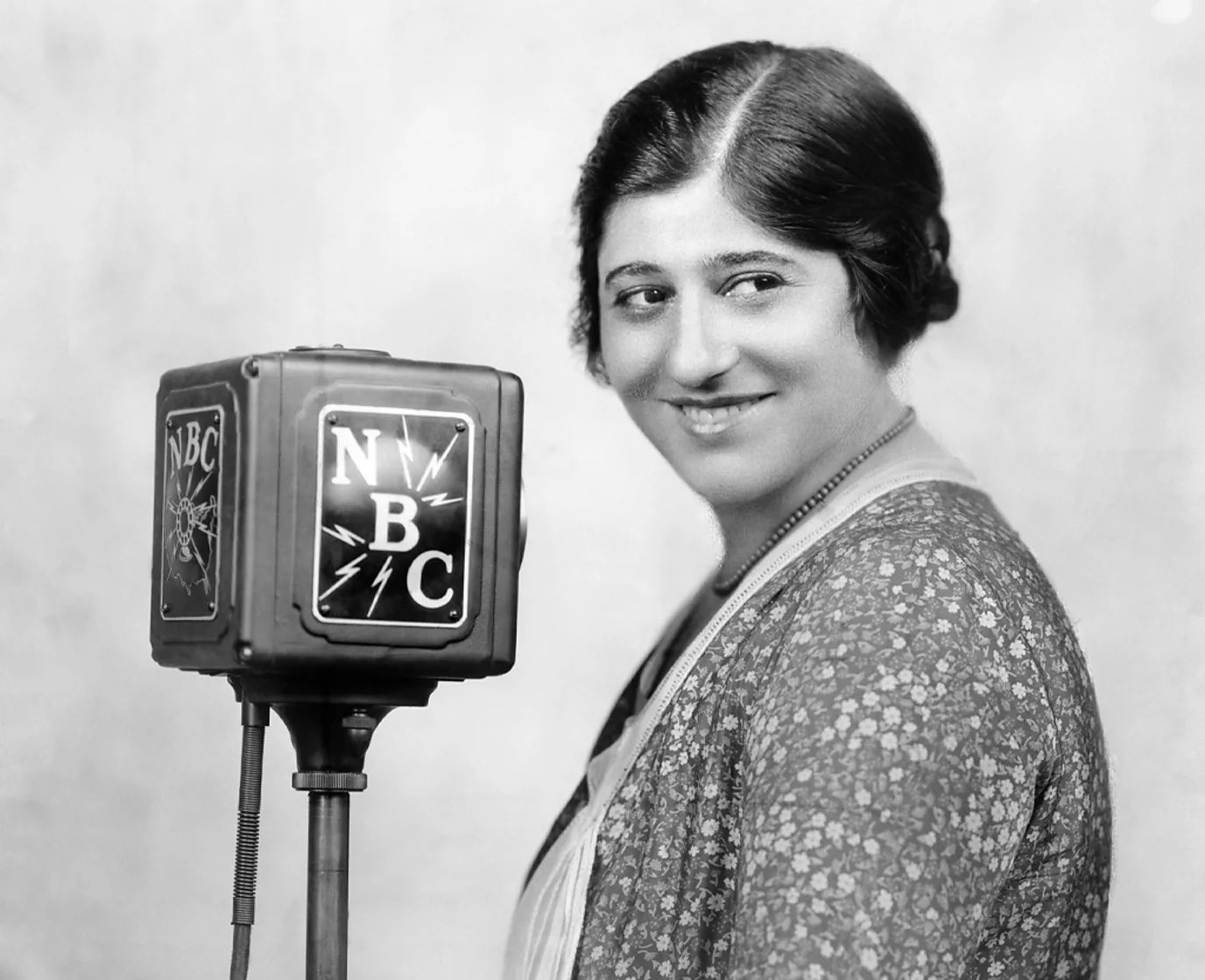
In 1936, the series moved to CBS, and its title was shortened to simply “The Goldbergs.”
The Secret to Its Popularity
Life magazine wrote about “The Goldbergs”:
“For many Americans, listening to ‘The Goldbergs’ has become a pleasant ritual, like slipping into a comfortable old pair of shoes that never wears out.”
In their book “The Big Broadcast 1920–1950,” radio historians Frank Buxton and Bill Owen noted that this comedy series, while seemingly similar to many other soap operas, managed to resonate deeply with listeners. The show’s success is primarily attributed to its main character, in whom audiences saw reliability, boundless love, and an unshakeable confidence that no problem was unsolvable.
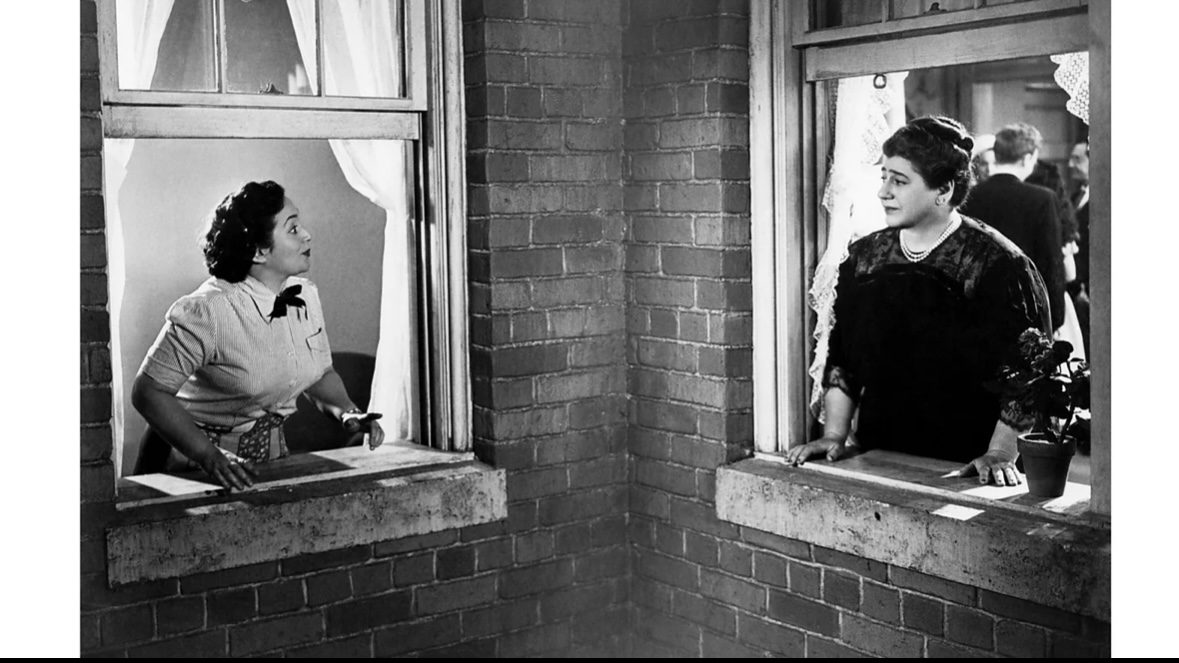
Listening to an episode would invariably lift spirits and provide motivation for the day. Molly’s unwavering optimism, determination, and sincere desire to help everyone inspired Americans to tune in each morning and become part of this wonderful, close-knit family. Although the story centered on a poor Jewish family in the Bronx, it resonated with listeners of all nationalities and social statuses across the country. Among 15-minute comedies, only “Amos ‘n’ Andy” had a longer run on radio than “The Goldbergs.”
It’s worth noting that the show was especially beloved by the Jewish community, as Gertrude Berg did not shy away from serious issues affecting her people. The show included special episodes dedicated to Kristallnacht, Nazi Germany, the Holocaust, and other painful topics. Perhaps it was this blend of humor and harsh reality that captivated listeners with its sincerity and honesty. “The Goldbergs” quickly became so popular that stars from other artistic fields were eager to appear on the show. Gertrude invited some celebrities, while others requested to join themselves. Guests included Jan Peerce of the Metropolitan Opera, singers Ernestine Schumann-Heink and Regina Resnik, radio actors Roslyn Silber and Alfred Ryder, Menasha Skulnik, Arnold Stang, Garson Kanin, Zina Provendie, and others.
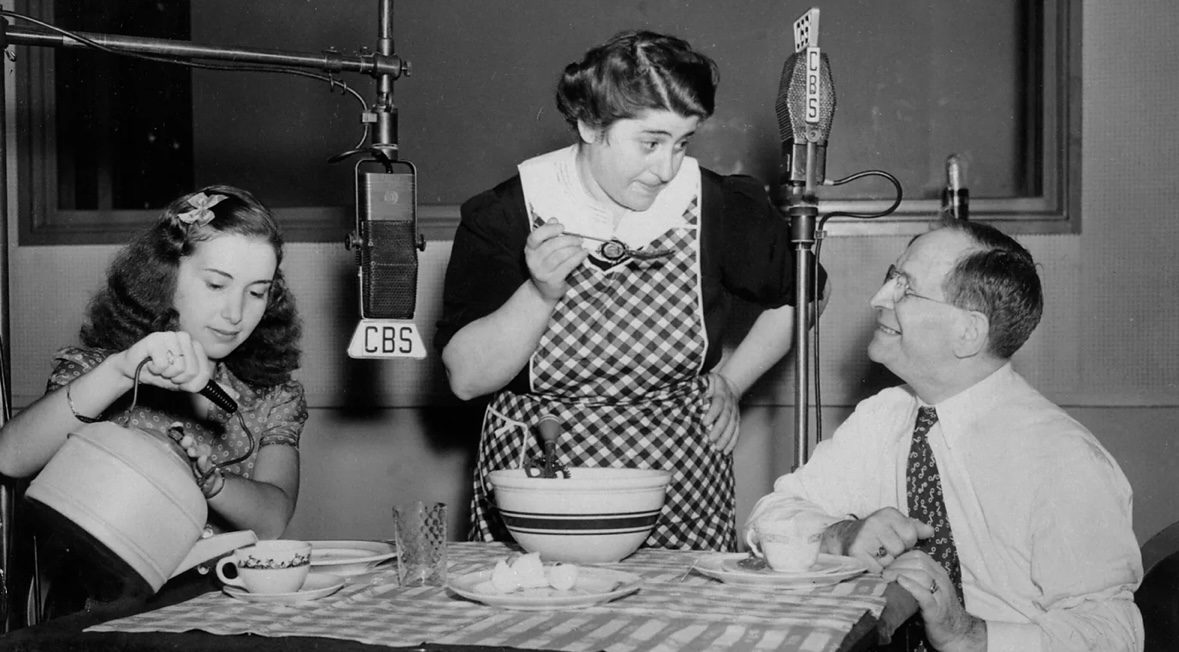
During the Great Depression and World War II, Molly became known as the second most trusted woman in America, after Eleanor Roosevelt. When Gertrude Berg missed several weeks due to illness, the stations broadcasting her popular show were flooded with letters wishing her a speedy recovery.
The Show’s Transition to the Big Screen
By 1948, the radio show was reaching its natural conclusion. Molly’s children had grown up and moved out, and Gertrude struggled to find new ways to capture the attention of a dwindling audience. At the time, television was still a new and risky frontier. Only 2% of Americans owned a television set, as they were prohibitively expensive.
Commercial television was just beginning to develop, and networks were scrambling to fill their airtime. Gertrude decided to seize this opportunity to give her show a second life, even though she knew it was a huge risk. Her intuition told her that the era of television was dawning, and it was the perfect moment to leave radio behind and appear on screen.
Read the article about famous television personalities from the Bronx at this link.
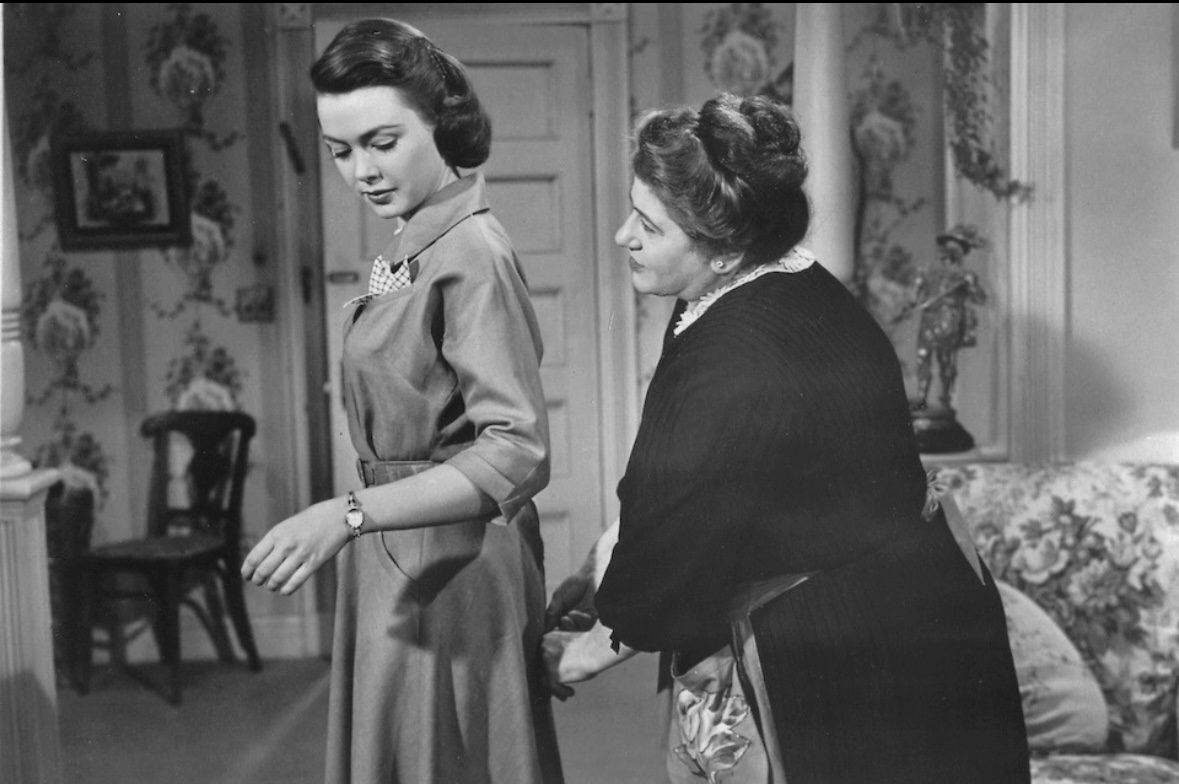
Thus, “The Goldbergs” became one of the first family sitcoms on television. Molly proudly emphasized her television family’s Jewish identity, speaking with a Yiddish accent and showcasing Jewish food, holidays, and cultural traditions.
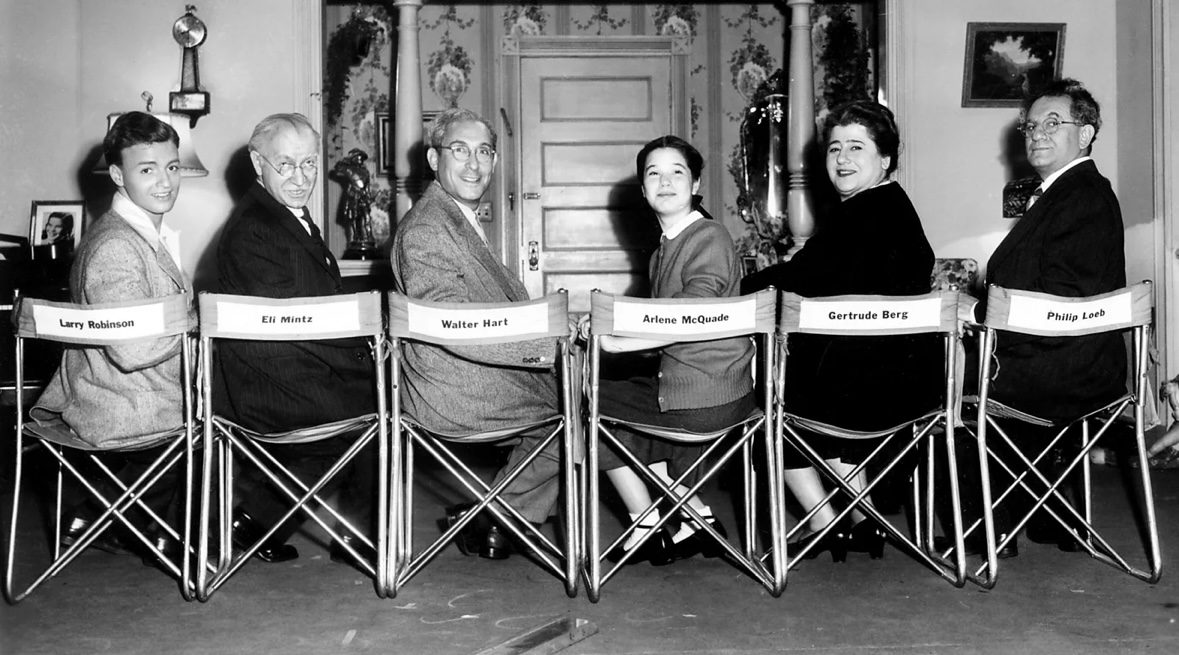
The television version aired on CBS from 1949 to 1951, starring Philip Loeb as Jake Goldberg, Molly’s husband. Initially, CBS executives were skeptical about the show’s potential on television, but Berg convinced them to give it a chance. A smart move was securing General Foods as a sponsor; Molly wove advertisements into the episodes so seamlessly that they felt natural yet persuasive. Thanks to her hard work, in 1950, Gertrude Berg won the first-ever Emmy Award for Outstanding Lead Actress in a Comedy Series. She reached a new level of fame, becoming recognizable not just by her voice but by her face. Berg skillfully cultivated her image as the ideal Jewish mother, even launching her own line of affordable house dresses, though she personally preferred expensive clothing, furs, and accessories. She even wrote a cookbook in her character’s voice, despite never cooking herself and relying on a housekeeper. A 1950 profile headline perfectly captured this duality:
“Gertrude Berg is more Molly than herself.”
The Breakup of a Legendary Pair and the End of an Era
“The Goldbergs” spent nearly a decade on television, but it wasn’t a smooth ride. A major blow came in 1950 when Philip Loeb was blacklisted as a suspected communist. His name appeared in a publication that listed 151 actors, writers, and journalists deemed threatening to American democracy. Berg faced immense pressure to fire Loeb, but she resisted. In response, sponsor General Foods pulled its support, and CBS dropped the show from its schedule until June 1951, with the condition that it could only return without Philip Loeb.
Ultimately, Berg had to agree, and the series returned in a 15-minute, twice-weekly format. The role of Jake was first played by Robert H. Harris and then by Harold J. Stone. Berg arranged for Philip Loeb to continue receiving his salary even though he wasn’t on the show. She desperately hoped that things would change and Loeb could eventually return to his role as her television husband. Audiences did not embrace the new actors and demanded the return of the beloved on-screen couple they had grown accustomed to.
In 1954, the show returned to a weekly format on the DuMont Television Network, but it couldn’t continue due to the network’s financial troubles. A final syndicated version of the series aired in 1955. By then, Philip Loeb, suffering from a deep depression after losing his last chance to return to the job he loved, committed suicide by taking an overdose of sleeping pills in the Hotel Taft in Manhattan.
Gertrude Berg made her final appearance as Molly Goldberg in several programs in 1957. Two years later, she won a Tony Award for her role in the play “A Majority of One,” where she played a Jewish American woman who falls in love with a Japanese man during a cruise while grieving her son, who was killed in World War II. Berg died of heart failure in 1966 at the age of 66.
Read the life story of the charismatic actor and singer from the Bronx, Bobby Darin, at this link.