

Among the constellation of DJs who pioneered and popularized rap and hip-hop at their inception, Afrika Bambaataa (born Lance Taylor) stands out as both an influential and controversial figure from the Bronx. The publication bronxski.com delves into his story.
Early Life
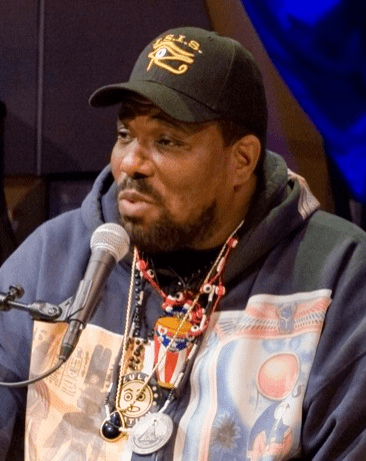
As reported by metro.us, Lance Taylor, better known to the music world as Afrika Bambaataa, was born on April 17, 1957, in the Bronx to Jamaican and Barbadian immigrant parents. His mother and uncle, prominent activists advocating for Black rights, greatly influenced his upbringing. Taylor grew up surrounded by political debates about the future of the movement. His early exposure to his mother’s eclectic music collection—combining various genres and styles—shaped his musical tastes.
Another significant influence on his life was the street gang culture of the Bronx in the 1960s. Gangs often took on the role of community enforcers, protecting neighborhoods from drug dealers, organizing events, and providing social support. Bambaataa joined the Black Spades gang, quickly rising to a leadership position where he recruited new members and strengthened the gang’s ranks. This experience not only established him as a key figure in the Bronx’s gang hierarchy but also allowed him to mediate relationships with other gangs.
During this period, Bambaataa wrote an essay that won a writing contest, earning him a trip to Africa and Europe. While abroad, he was deeply moved by the film Zulu, which depicted unity, camaraderie, and self-sacrifice. Inspired, he resolved to create a similar organization in the Bronx. He adopted the name Afrika Bambaataa, inspired by a Zulu chief who fought against exploitation in the 20th century, which he interpreted as meaning “affectionate leader.” Upon returning to the Bronx, he founded the Bronx River Organization, aimed at opposing the Black Spades.
The Beginnings of a Musical Career
Hip-hop’s origins as a fusion of Afro-Brazilian, Cuban, Caribbean, tap dance, and salsa cultures remain a topic of debate. Similarly, accounts of Bambaataa’s first DJ performances are disputed. His supporters claim he began in 1970, predating DJ Kool Herc, while others assert his debut was in 1976, influenced by Herc.
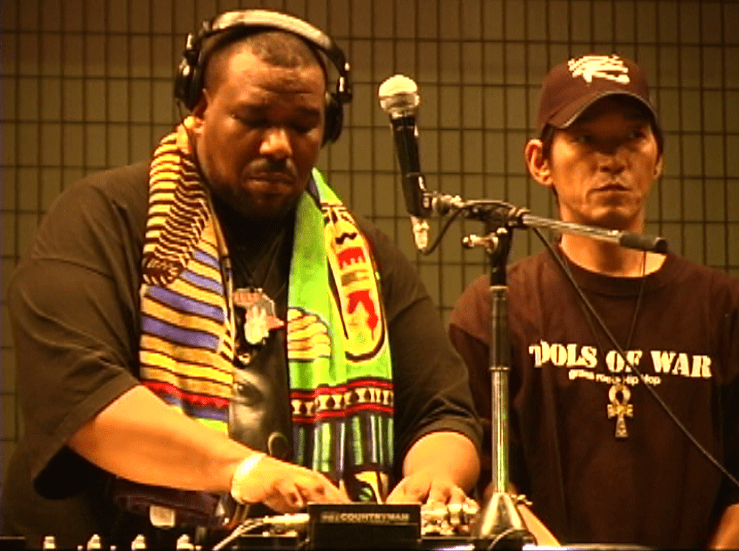
Regardless, upon returning from Africa, Bambaataa pledged to lead the Bronx’s youth away from gang culture by forming the Universal Zulu Nation. This organization aimed to foster hip-hop culture in the Bronx through artistic expression and social activism. Beginning in 1977, Bambaataa borrowed equipment from Disco King Mario to host parties across the Bronx. He participated in DJ battles, including one against his friend Disco King Mario, and performed at Adlai E. Stevenson High School, further promoting the Bronx River Organization.
Bambaataa’s performances were often supported by his sound system and a loyal following of former gang members who provided security. This, coupled with his charisma, allowed him to gain traction in the hip-hop scene.
Advancing Hip-Hop Culture
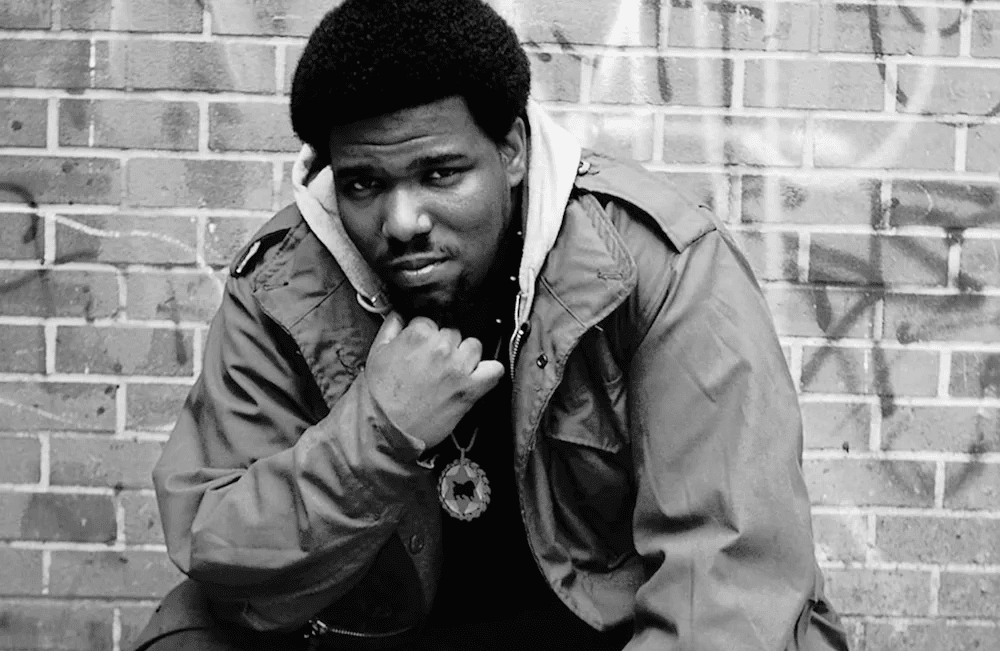
In 1977, Bambaataa formed a new group called the Zulu Nation, which included five breakdancers (b-boys). His reputation as a defender of DJs, artists, and dancers drew many to join the Zulu Nation, solidifying its role in the hip-hop community.
In 1980, Bambaataa recorded his first Death Mix with Paul Winley Records. His 1982 single Planet Rock became one of hip-hop’s earliest hits, blending electronic beats with hip-hop rhythms. That same year, he embarked on an international hip-hop tour with dancers, DJs, and graffiti artists, spreading the genre beyond the United States and inspiring artists like French rapper MC Solaar.
By the early 1980s, Afrika Bambaataa had gained immense popularity among South Bronx youth, earning the nickname “Master of Records.” He formed two rap groups, Jazzy 5 and Soulsonic Force, and debuted the innovative track AEIOU Some Y at The Roxy in 1982—the first American single created using computer technology. Incorporating the Roland TR-808 drum machine and borrowing from German electronic music pioneers, Bambaataa created the “electro-boogie” school of rap and dance music, which further expanded hip-hop’s creative horizons.
Bambaataa’s Legacy
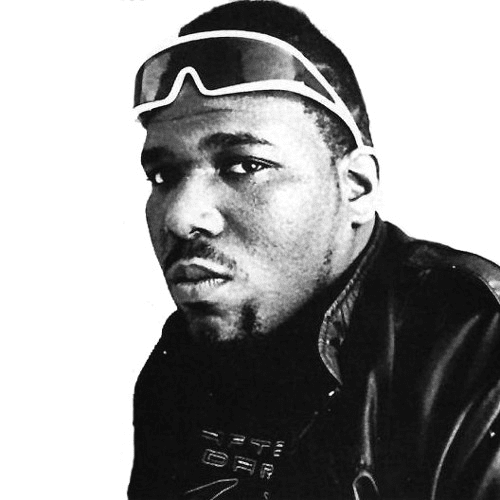
Afrika Bambaataa’s contributions to hip-hop cannot be overstated. He is credited with coining the term “hip-hop,” inspired by the rhythmic chant in Lovebug Starski and Keith Cowboy’s songs:
“We were all on stage, and I said, ‘This is hip-hop. It’s trendy, and it makes you jump.’”
Beyond music, Bambaataa remained committed to community building and cultural development. His efforts helped elevate rap, DJing, breakdancing, and graffiti into legitimate art forms.
In the 1990s, Bambaataa returned to electronic music, remixing Planet Rock. In 2004, he collaborated with groups like WestBam and British artist Jamelia on Walk with Me. He also served as a judge at the 6th Independent Music Awards. In 2007, he was nominated for induction into the Rock and Roll Hall of Fame. From 2012 to 2015, Bambaataa served as a visiting scholar at Cornell University, where he contributed to hip-hop archiving projects, documentaries, and panel discussions.
Allegations of Sexual Abuse
In 2016, Afrika Bambaataa faced allegations of sexual abuse from Bronx activist Ronald “Bee-Stinger” Savage, who claimed the abuse occurred in 1980. Three additional men later accused Bambaataa of similar acts. Bambaataa denied the allegations, stating they were unfounded. However, the Universal Zulu Nation distanced itself from him, and he resigned as its leader in May 2016. Despite the allegations, no formal charges were filed.