

If you believe that Marxism ceased to exist with the collapse of the Soviet Union, think again. Marxist ideology remains influential in countries such as China, Vietnam, Laos, and Cuba. Moreover, there was a time when Marxist ideas gained significant traction in parts of the United States. Surprised? The City College of New York, especially in the 1920s and 1930s, and to some extent later in the 20th century, served as a hub for the dissemination of Marxist thought. One of the key figures in this intellectual movement was Marshall Berman—a philosopher, urbanist, and writer. Let bronxski.com tell you more about his life and work.
Childhood in the Bronx
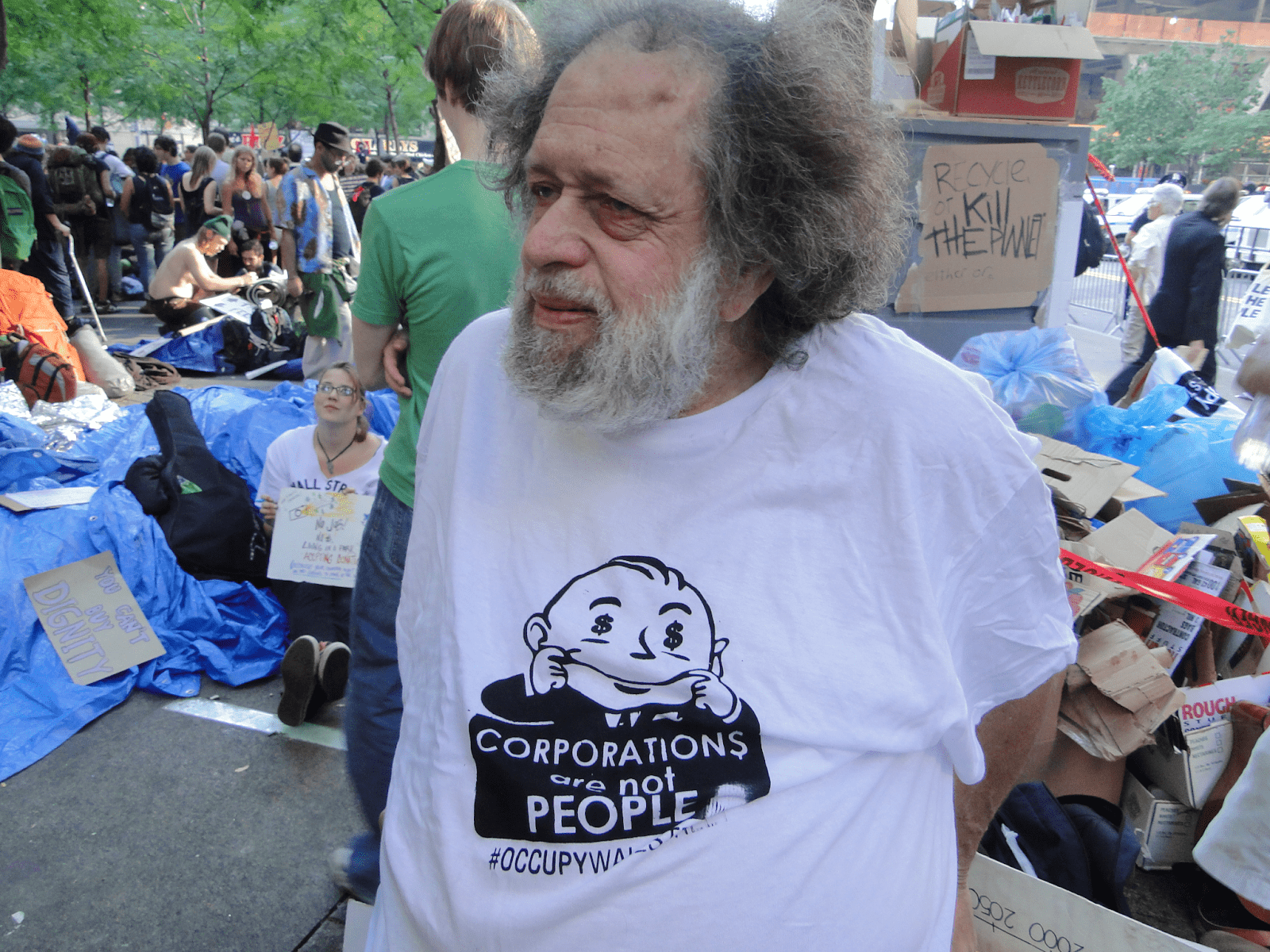
New York City is a vast melting pot of countless ethnic groups, among which the Jewish community stands out for its contributions to science, business, and industry. One such contributor was Marshall Berman, an intellectual from a family of entrepreneurs.
Marshall was born on November 24, 1940, in the Bronx, a time when World War II was raging in Europe and the United States was preparing to enter the conflict. His parents, Betty and Murray Berman, were Jewish immigrants from Eastern Europe and owners of Betmar Tag and Label.
Marshall’s childhood was not entirely carefree. In 1955, when he was just 15, his father died of a heart attack at the age of 48. Following this loss, the family moved to the Kingsbridge neighborhood of the Bronx.
Education
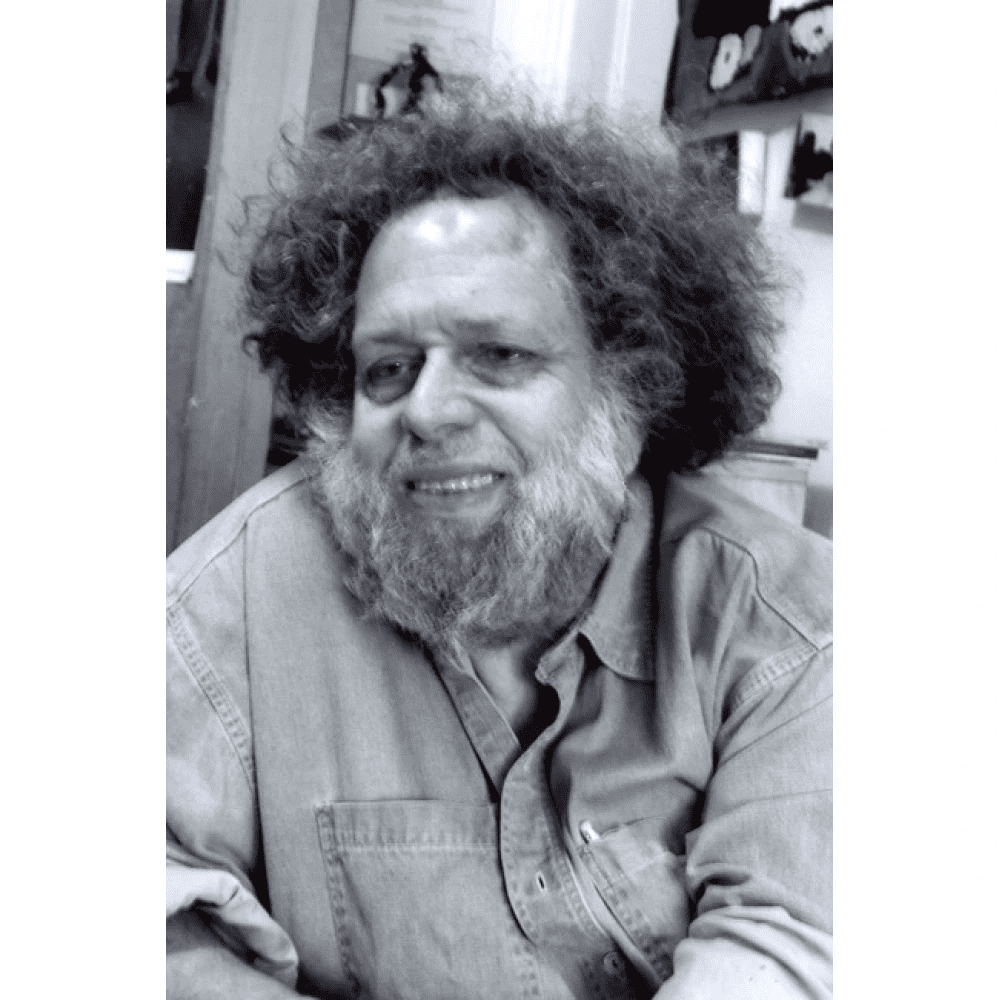
After graduating from high school, Marshall attended the Bronx High School of Science, a prestigious institution known for producing future Nobel laureates and distinguished academics. Here, he acquired a solid academic foundation that would shape his intellectual pursuits.
Berman continued his studies at Columbia University and later at Oxford University, where he earned a bachelor’s degree in literature. At Oxford, he studied under the influential social and political theorist Isaiah Berlin. Marshall later completed his academic journey with a PhD in philosophy from Harvard University in 1968.
Berman’s Accomplishments
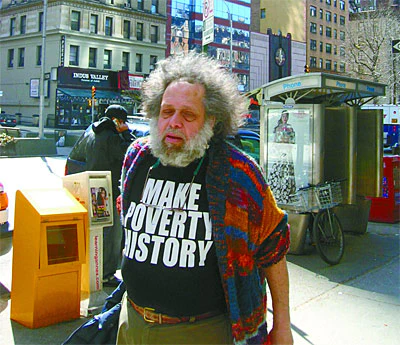
In 1968, Berman began teaching at the City College of New York, a position he held until his death in 2013. Over his career, he served on the editorial board of Dissent, contributed to prominent publications, authored five books, and penned more than 100 articles, essays, and reviews.
Berman’s intellectual journey began in 1959 while he was a student at Columbia University. That year, he discovered Karl Marx’s Economic and Philosophic Manuscripts of 1844, a work that would profoundly shape his life’s focus and scholarship.
A major influence on his work was Robert Moses, the New York City planner and builder often compared to Baron Haussmann, who reshaped Paris. In his book Politics of Authenticity, Berman portrayed Moses as a Faustian villain. He criticized Moses for projects like the Cross Bronx Expressway, which, in Berman’s view, devastated neighborhoods like Tremont in the South Bronx, including the area where Berman himself had grown up. This destruction left a lasting imprint on Berman’s work, reflecting his deep concerns about urban decay and social disruption.
Berman’s Philosophical Views on Modernism
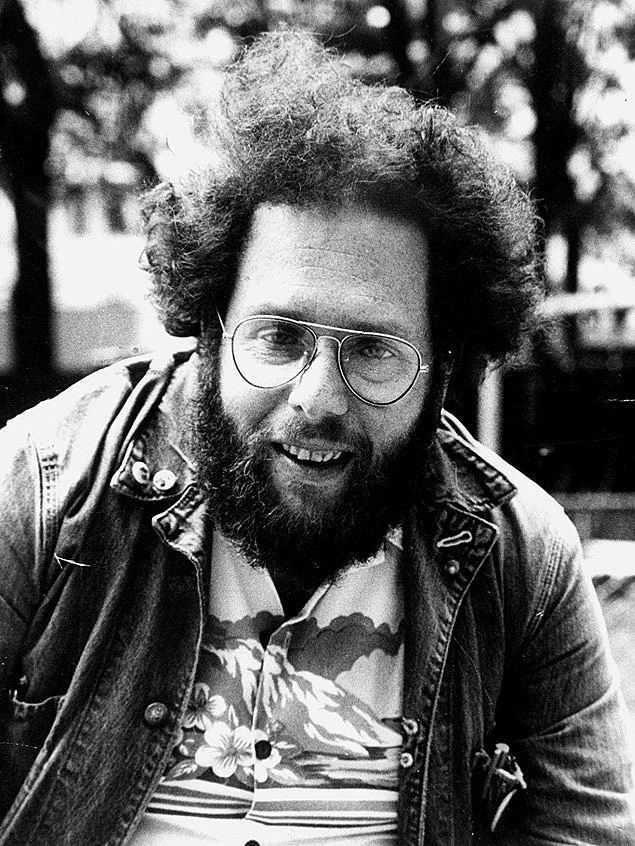
One of Berman’s most influential contributions to philosophy was his exploration of modernism. He argued that modernization is an intrinsic and transformative aspect of the contemporary world, particularly visible in urban environments. His studies examined how personal freedom, technological progress, and societal changes shape identity and individual experience.
Berman viewed modernism as a counterpoint to postmodern philosophy, which he saw as a lifeless echo chamber. For Berman, the city was a dynamic space where individuals could express themselves, engage with society, and continuously reinvent their lives. He emphasized the importance of vitality, self-realization, and creativity within the urban context, describing the city as a stage for dialogue between the individual and society.
While modernization, in Berman’s view, destroys traditional lifestyles, social bonds, and the natural environment, it also creates new possibilities for progress. He advocated for critical thinking and active engagement in modernization processes while preserving individual freedom and humanistic values.
Modernity in Berman’s Interpretation
Berman also addressed the concept of modernity and its impact on individual lives. He believed modernity forces people to adapt constantly, redefining their identities to keep pace with societal changes. At the same time, he encouraged maintaining connections to the past and upholding personal values in the contemporary context.
To Berman, being modern means living in a society full of paradoxes and uncertainties. He saw massive bureaucratic organizations as both enablers and destroyers of communities, values, and lives.
Berman’s philosophy invites an open understanding of modernization and modernity, examining both their positive and negative effects on individuals and society. He highlighted the importance of personal growth, self-actualization, and active participation in shaping one’s life and social environment.
His friends noted that Berman remained optimistic about modernity despite acknowledging its destructive potential. He famously said skyscrapers might take people off the streets, but their height offers breathtaking views. For him, mass culture was neither to be mourned nor celebrated, but admired for its potential to convey emotional depth and power.
Legacy
Marshall Berman found valuable insights in Marxism and adapted them to understand contemporary issues. He remains a pivotal figure in the study of urbanism, modernity, and societal change. His works inspire critical reflection on the interplay between individual experiences and social transformations, urging a balance between progress and humanistic values.