

Irving Howe was a prominent American writer, literary critic, and notable figure in the democratic socialist movement in the United States. Born in the Bronx, he left a legacy of bringing socialist discourse into American literary and academic circles during the Cold War—a challenging feat, even in the U.S., due to the rise of McCarthyism and the “Red Scare,” which harshly opposed socialist ideas. Let us delve deeper into this remarkable figure, as highlighted by bronxski.com.
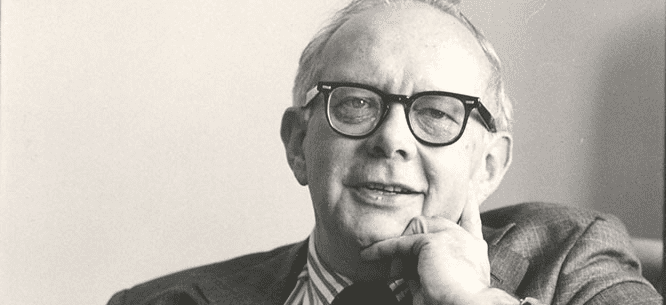
Early Life in the Bronx
Irving Howe was born in the Bronx in 1920 to the Gorenstein family, Jewish immigrants from Bessarabia (modern-day Moldova). At birth, he was named Irving Gorenstein. His parents, Netty and David, ran a small grocery store, but the Great Depression forced them to shut down their business. David later worked as a peddler and a presser in a garment factory, while Netty took up work as an operator in the clothing trade.
Growing up amid his parents’ struggles to survive during the economic crisis, Howe developed a keen awareness of social inequality. Before college, he became a socialist activist, gravitating toward Trotskyist ideals. His eloquence and determination quickly elevated him to a leadership role in the socialist movement. His fiery speeches, often delivered while standing on tables, were particularly influential during the Spanish Civil War. Eventually, his faction broke away from the Socialist Party and formed the youth wing of the Socialist Workers Party.
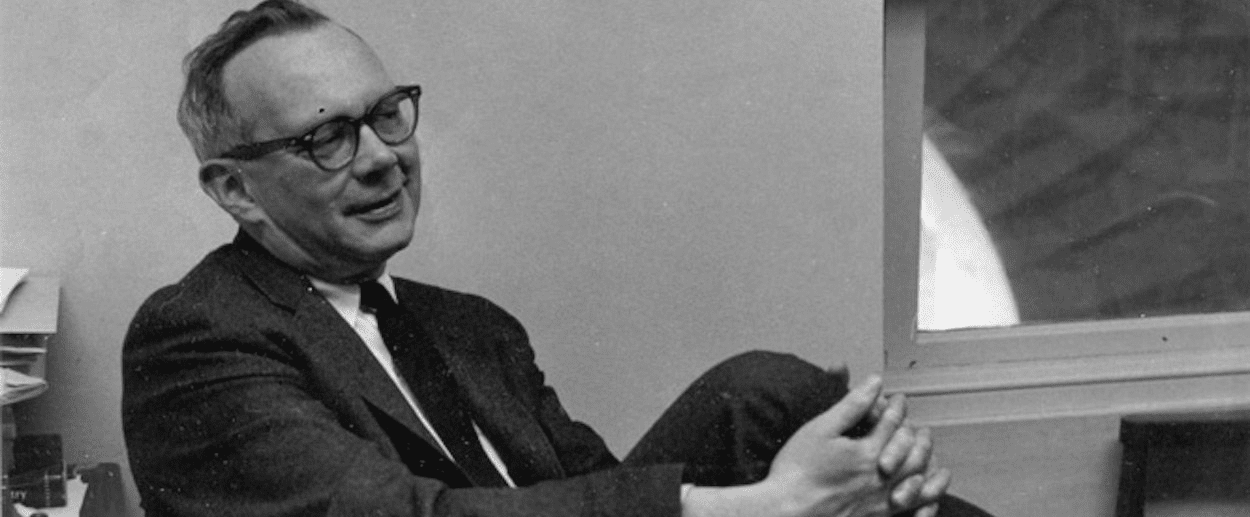
Education at City College of New York
Howe attended the City College of New York, a hub for socialist and Marxist ideas. The college cafeteria was famously divided into groups based on their allegiance to different Internationals. Howe participated in heated debates on socialism, Stalinism, fascism, Judaism, and other political and religious ideologies of his time.
He graduated in 1940, just before World War II, and changed his surname to Howe. Among his contemporaries were Daniel Bell and Irving Kristol. Upon graduation, the outbreak of the war led him to serve in the U.S. Army.
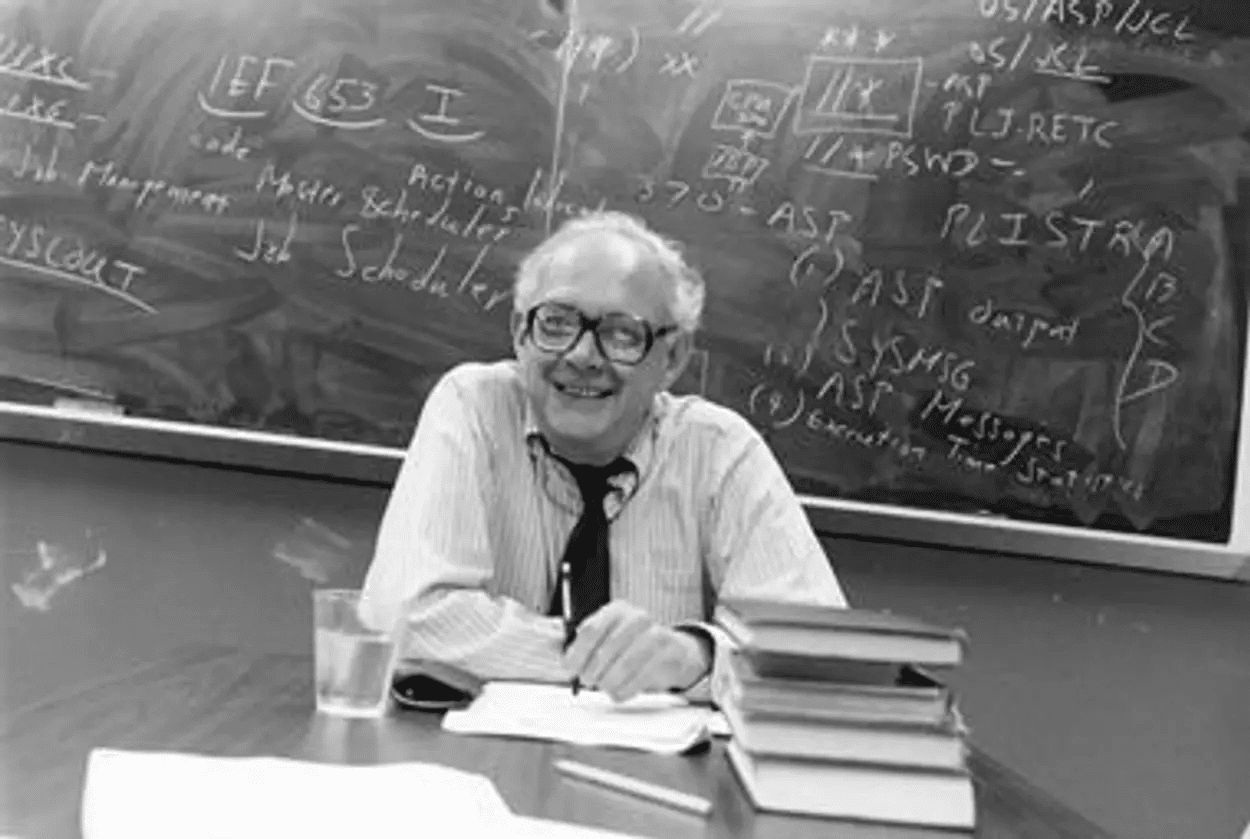
Political Views
Howe’s political views merit special attention. He opposed the Reserve Officers’ Training Corps (ROTC) as an instrument of American imperialism on campus and criticized communist students for not being sufficiently anti-war. Recognized for his talent, Howe became the editor of a socialist newspaper.
His writings, often utopian and confrontational, called for the fight for socialism against capitalism. He criticized social-democratic reformism in the U.S., demanded French socialists withdraw troops from Indochina, and opposed Stalinism. He also wrote extensively on culture, arguing for stronger opposition to Stalinist ideology.
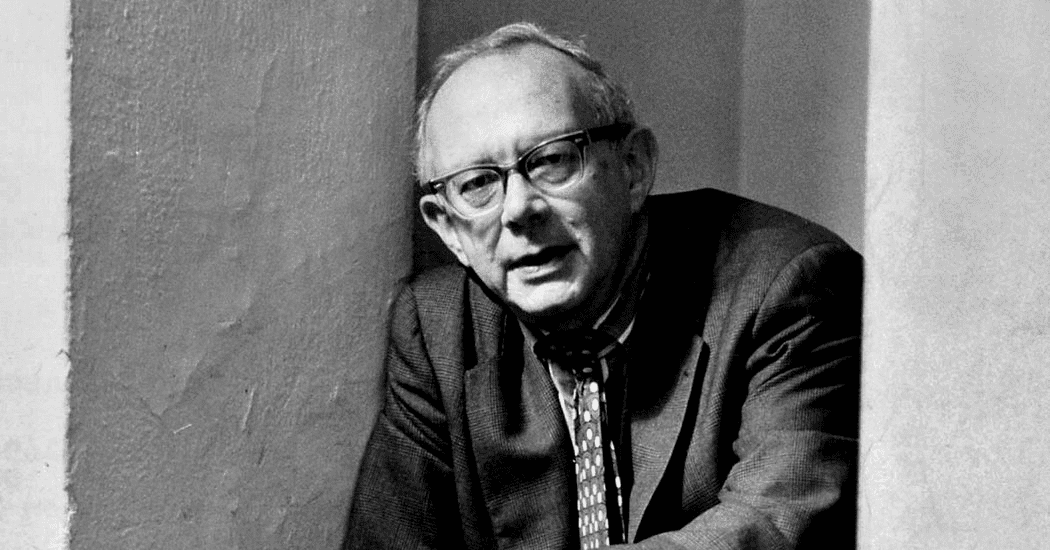
Post-War Activities
After the war, Howe shifted his focus to literary and cultural criticism. He began contributing essays to Partisan Review (which had ties to the CIA), Commentary, Policy, The Nation, The New Republic, and The New York Review of Books.
In 1954, Howe co-founded and edited the quarterly journal Dissent, a publication he remained devoted to until his death in 1993. In the 1950s, he also started teaching English and Yiddish literature at institutions like Brandeis University in Waltham, Massachusetts.
Despite his academic career, Howe remained active in politics. In the early 1970s, he founded the Democratic Socialist Organizing Committee, which later merged with the Democratic Socialists of America in 1982. Howe served as vice-chair of this unified organization.
While a staunch democratic socialist, Howe opposed Stalinism, Soviet influence, and McCarthyism. His critique of Marxist doctrine often placed him at odds with both left and right-wing orthodoxies.
Literary Contributions
Amid his political activities, Howe also built a reputation as a writer. He authored critical biographies of Thomas Hardy, William Faulkner, and Sherwood Anderson, and explored the connection between politics and literature. His essays tackled themes like modernism, the nature of fiction, and social Darwinism.
Key works by Howe include:
- Decline of the New
- World of Our Fathers (a history of Eastern European Jews in America, which won a history prize in 1977 and a National Jewish Book Award in the history category)
- Politics and the Novel
- Margin of Hope (an autobiography)
- A biography of Leon Trotsky
Additionally, Howe translated works from Yiddish into English, furthering his contributions to literature and cultural preservation.
Death, Legacy, and Family
Irving Howe passed away in New York in 1993 due to cardiovascular disease. He left behind a profound political and cultural legacy. His steadfast beliefs earned him respect, though he often found himself at odds with prevailing ideologies.
Morris Dickstein, a professor at Queens College, described Howe as someone who disagreed with orthodoxies on both the left and right while remaining a committed leftist. Meanwhile, Leon Wieseltier, literary editor of The New Republic, noted that Howe lived in three worlds—literary, political, and Jewish—observing their transformation throughout his life.
Howe was also the subject of Richard Rorty’s Achieving Our Country (1999) and a pseudo-documentary film by Woody Allen.
He is survived by his third wife, Ilona, and two children, Nina and Nicholas.