

The Bronx is a borough that owes its name to the Bronx River, which itself was named after Swedish settler Captain Jonas Bronck. This happened in 1641, during a time when North America was being settled by brave and freedom-loving people from around the world. Among them were the Irish—a people striving for independence from Great Britain, fighting against it, and seeking better opportunities for their sons and daughters. When the opportunity arose to emigrate to America, thousands of Irish people seized it, many settling in the Bronx. By 1874 and later in 1895, the Bronx became part of New York City. This article by bronxski.com sheds light on the lives and contributions of notable Irish figures in the Bronx.
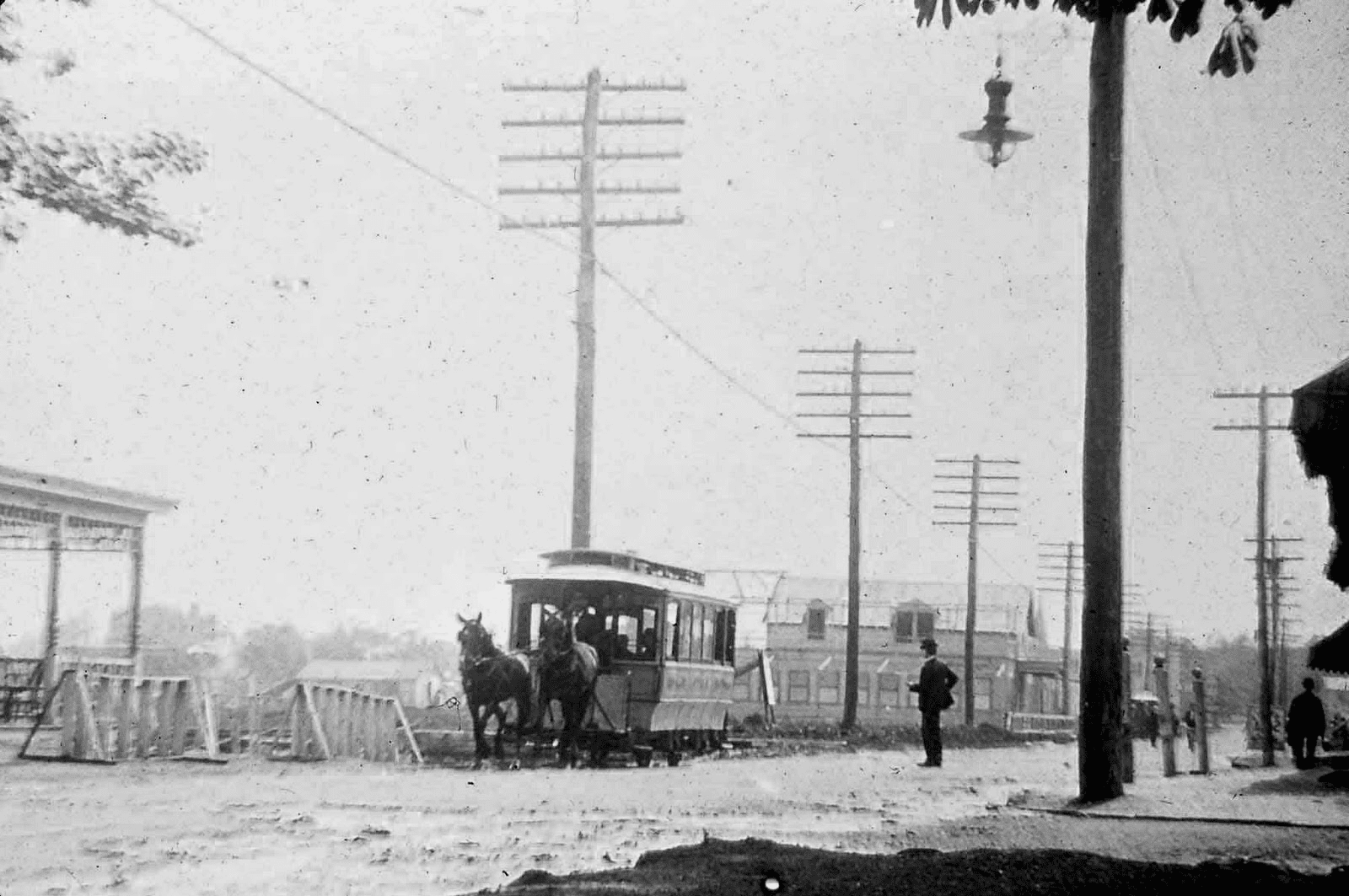
Irish Settlement in the 19th Century
As noted by irishamericanjourney.com, in the early 21st century, the Bronx was home to various ethnic groups, leading to high unemployment and crime rates. However, this was not always the case. The Bronx was once a predominantly rural area, known for its picturesque landscapes, recreation spots, and Irish communities.
Irish immigrants first arrived in the Bronx in the mid-19th century. These were labor crews hired to construct the New York and Harlem railroads, which crossed the Hudson River and High Bridge. Their work was grueling and hazardous, giving rise to the saying, “There’s an Irishman buried under every railroad tie.” Once the railroads were completed, Irish workers found employment in factories in the Bronx or Manhattan. They settled in modest but tidy wooden frame houses in neighborhoods like Mott Haven, Melrose, and High Bridge. These homes often had livestock like pigs, chickens, and cows in their yards, along with small vegetable gardens.
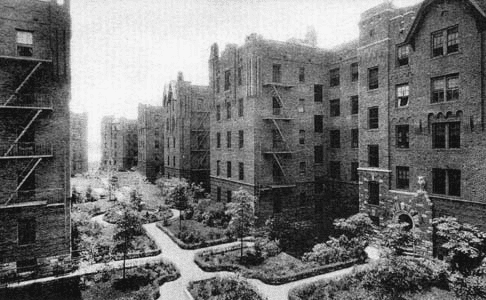
Bronx Residents in the Early 20th Century
As the 20th century began, other ethnic groups, including Jews, Germans, and Italians, joined the Irish in moving to the Bronx, thanks to the expansion of the subway. Together, they built or rented stone and brick houses, transforming the borough street by street. The new buildings were surrounded by tree-lined streets, spacious public parks, good schools, and shops catering to the growing middle class.
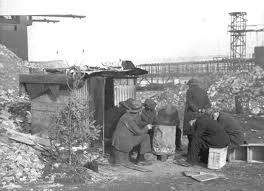
By the 1920s, the Bronx’s population had reached 1.2 million, with a significant portion being Irish. In the first and second generations, Irish residents worked as carpenters, masons, painters, tailors, seamstresses, shopkeepers, and eventually, small business owners.
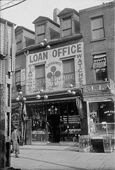
The 1930s brought an increase in Irish residents despite the hardships of the Great Depression. New construction dropped by 75% compared to the 1920s, and evictions tripled across the city. In these trying times, the Irish community turned to religion for solace and support.
Religion and Leisure in Irish Life
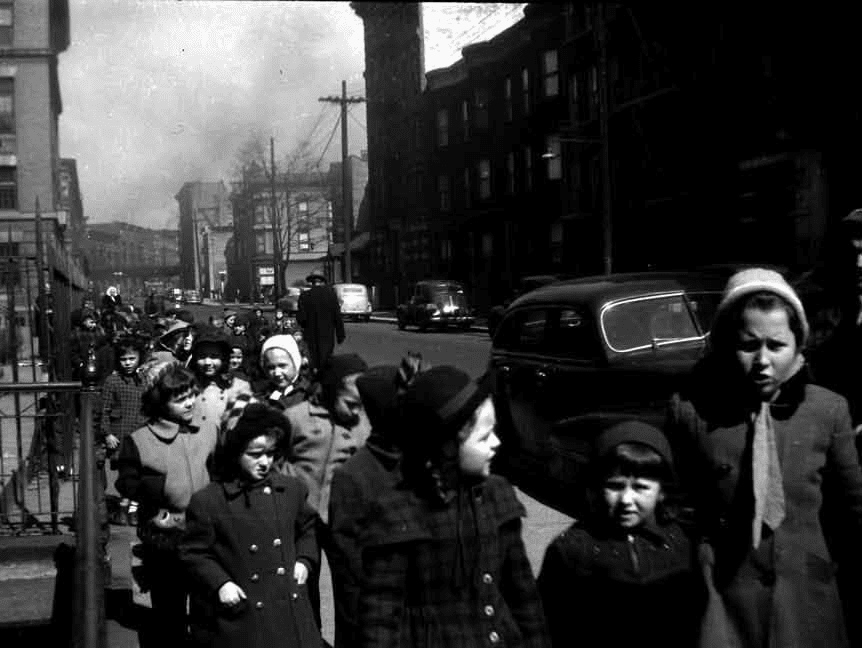
The Catholic Church and schools played a vital role in the lives of Irish Bronx residents. Catholic schools provided education to young Irish-Americans, whose schoolyards were filled with laughter and games. Besides academics, children could play billiards, ping-pong, or take up boxing. Church dances on Friday nights also brought young people together.
Sundays and holidays were marked by church gatherings for weddings, funerals, and First Communions, which were especially significant. Graduation ceremonies after the 8th grade were celebrated at the start of summer.
Priests were central figures in the community, visiting neighborhoods and guiding children away from trouble. Nuns sold carnations in May to honor motherhood and the concept of family.
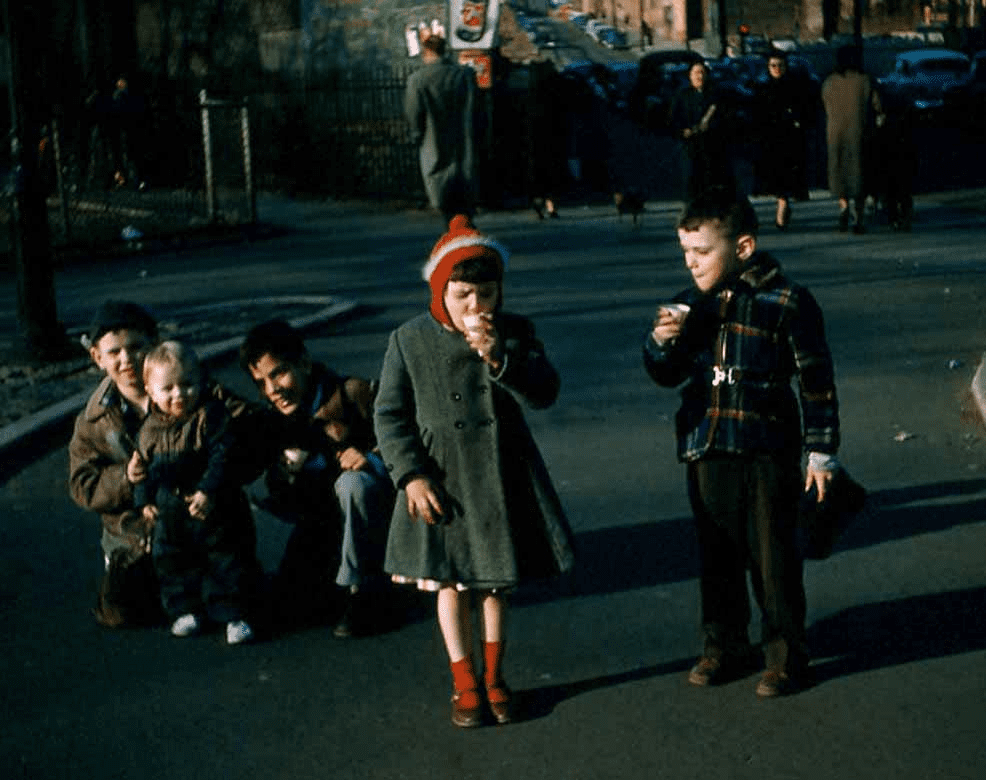
Beyond the church, boys played stickball, handball, penny pitching, and marbles, while girls enjoyed jacks, hopscotch, and jump rope. At home, children raised pigeons, flew kites, and raced through alleys and courtyards. Adults watched them from fire escapes or windows.
During summer, children opened fire hydrants or gathered at sprinklers in parks to escape the heat. Some saved up 25 cents to rent bicycles or rode carousels for a few pennies.
Saturday evenings often featured sounds from the Metropolitan Opera on the radio, shared through open windows in the neighborhood.
Holidays brought parades, carnivals, and parties, many ending near the Jackson Avenue station. Small local shops along city roads thrived, offering goods to the borough’s residents. For instance, in the South Bronx on Westchester Avenue between Wales and 152nd Street, there were Irish food stores like Dolan’s, Olympia flower shops, Cushman’s bakeries, and various ice cream parlors, pharmacies, Jewish bakeries, candy shops, and newsstands.
Children’s Recreation
In the summer, thousands of poor Bronx children, including Irish kids, were given a chance to leave the city and enjoy fresh air through the New York Herald-Tribune’s Fresh Air Fund. Wealthier families hosted these children, providing them with the opportunity to explore mountains and fields far from the city’s grime.
Notable Irish Bronx Residents: John Carroll O’Connor
One notable Irish Bronx resident was John Carroll O’Connor, born on August 2, 1924. He was a renowned actor best known for his role as Archie Bunker in CBS sitcoms All in the Family, earning five Emmys and two Golden Globes.
Another prominent figure was Robert Patrick Mulligan, born in 1925. Mulligan became a celebrated director and producer, responsible for dramas such as To Kill a Mockingbird, Summer of ’42, The Other, Same Time, Next Year, and The Man in the Moon.