

In a world where hip-hop was just being born, Grandmaster Flash and the Furious Five became the ones who didn’t just ride the new wave—they steered it. Amid the chaos of 1970s New York, on the streets of the Bronx, this group merged street culture with musical innovation, transforming ordinary parties into true cultural phenomena. Their hit “The Message” forever changed the idea of what rap could be: not just entertainment, but a powerful tool for social commentary. Today, the story of Grandmaster Flash and the Furious Five isn’t just about music; it’s about how courage and talent can change the world. Let’s break down how this group became legendary and what exactly made them so influential! More on bronxski.
The Beginning of the Journey for Grandmaster Flash and the Furious Five
The story of Grandmaster Flash and the Furious Five begins in the heart of the Bronx, where the streets were not just a place to live but the main stage for the birth of a new culture. It was there, among apartment buildings and urban chaos, that Joseph Saddler, famously known as Grandmaster Flash, began experimenting with music that would soon revolutionize the concept of hip-hop.
Flash wasn’t just a musician—he was an innovator. His fascination with records and turntables went beyond simply playing music. He spent hours in his room, perfecting his mixing techniques and developing new ways to create rhythm. His ingenuity became the foundation of DJing, which remains the heart of hip-hop to this day.
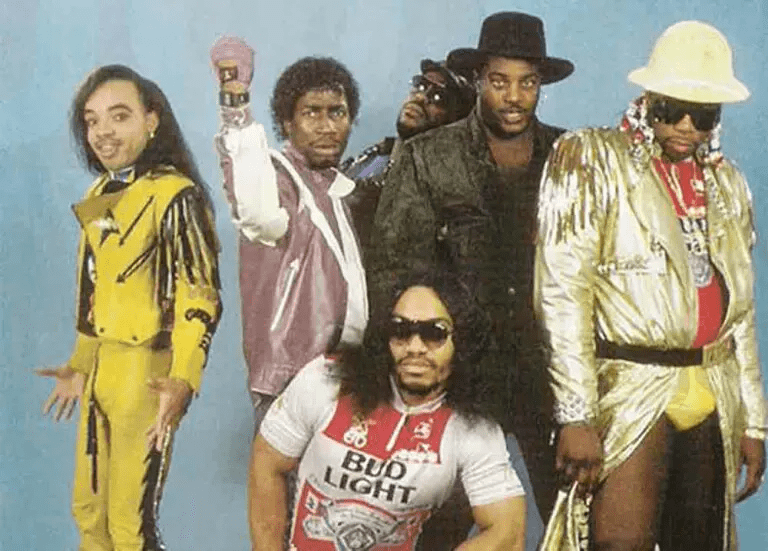
But a great group is more than just one genius. Flash found like-minded individuals among young people as passionate as he was. Melvin Glover (Melle Mel), Keith Wiggins (Cowboy), Nathaniel Glover (The Kidd Creole), Eddie Morris (Scorpio), and Guy Todd Williams (Rahiem) came together to form the Furious Five. Each member brought something unique to the group: lyrics, rhymes, and charisma.
Crucially, they didn’t start in professional studios but at parties in basements and on rooftops. There, where streetlights served as spotlights and modified speakers provided the amplification, they created music that resonated with listeners’ hearts.
These were times when a musician’s primary tool was their talent, and the main stage was the city block. It was here, in these simple conditions, that a style that would become legendary was born. Grandmaster Flash and the Furious Five forged their own path, starting with nothing but possessing something more important than any equipment—a vision and a passion for creativity.
Their first demos were raw but honest, and their performances were live and real. The group captured the spirit of their time and embodied it in music that was impossible to ignore. This is how the journey to change hip-hop forever began.
The Path to Fame
Grandmaster Flash and the Furious Five quickly moved beyond street parties, becoming a phenomenon that could not go unnoticed. Their approach to music was revolutionary. Instead of just playing popular tunes, they created their own rhythms, textures, and atmospheres. Flash invented techniques that became the bedrock of hip-hop, including cutting, scratching, and backspinning. This sound was so unique that it was simply impossible to ignore.
But it wasn’t just about the sound. The Furious Five took rap to a new level. Their lyrics were a reflection of the reality they lived in: poverty, social inequality, and the struggles of racism. This was especially evident in their track “The Message,” which became a true revolution. In a world where most hip-hop songs were about having fun, “The Message” forced listeners to think. “It’s like a jungle sometimes, it makes me wonder how I keep from goin’ under”—these lines were a cry from the soul.
The track instantly became a hit. It not only conquered the radio airwaves but also laid the groundwork for socially conscious rap. The music of Grandmaster Flash and the Furious Five was no longer just entertainment—it had become a tool for expressing pain, protest, and hope.
The group’s rise was accompanied by powerful albums and large-scale tours. Their concerts were explosive: their energy, charisma, and skill turned every performance into an unforgettable show. The Furious Five were the first to demonstrate that hip-hop could be more than just street culture; it was a major art form capable of filling arenas.
At the same time, they were changing not only the music but the industry itself. Their style became iconic: flashy costumes, electrifying moves, and powerful voices. Each member of the group was unique, but together, they created a striking harmony.
Decline and the Search for a New Path
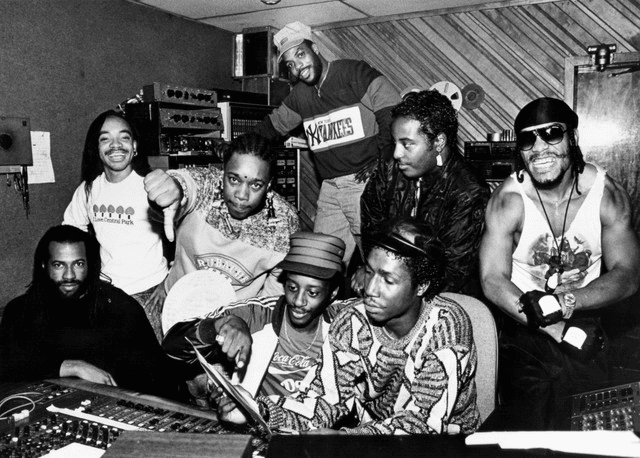
Like many great groups, the journey of Grandmaster Flash and the Furious Five was not without its struggles. The rise to fame often brings internal tensions, and the Furious Five were no exception.
The problems began with creative differences that eventually escalated into serious conflicts. The success of “The Message” and subsequent tracks brought the group not only popularity but also immense pressure. The members had different visions for where to go next. Grandmaster Flash, as an innovator in DJing techniques, wanted to experiment more with the sound. At the same time, some members wanted to focus on lyrics that delved even deeper into social issues.
In addition to creative issues, problems with management arose. Disputes over contracts, a lack of transparency in how earnings were divided, and strained relationships with their record label only worsened the situation. This led to mutual accusations that gradually eroded the group’s unity.
Lineup Changes and a Fall in Popularity
Ultimately, the internal conflicts led to the breakup of the original lineup. Some members tried to continue working together, but without the full group, it was no longer the same Furious Five. Their music lost the magic that was only created when all six members worked together.
Solo projects, while offering creative freedom to each musician, rarely achieved the same level of success as the group. Flash tried his hand at solo DJing and continued to experiment with sound, but these works didn’t have the same impact. Other members also released tracks, but their popularity paled in comparison to what they had created together.
Meanwhile, new stars began to emerge on the hip-hop scene. In the 80s, the genre was evolving rapidly, and audiences were hungry for new sounds. Artists like Run-D.M.C., the Beastie Boys, and Public Enemy brought fresh ideas and captured the public’s attention. Against this changing landscape, Grandmaster Flash and the Furious Five gradually faded into the background.
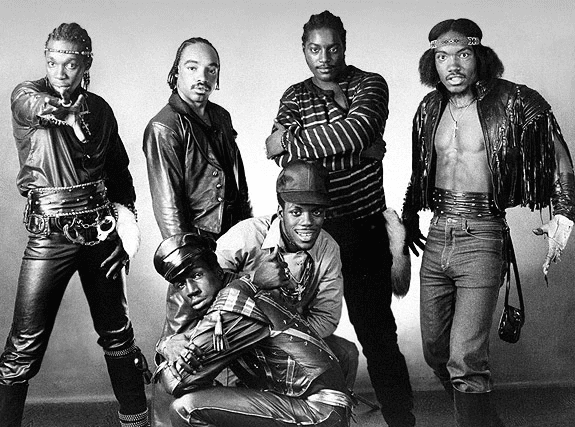
And yet, despite the challenges and decline in popularity, their contribution to hip-hop remains undeniable. They went through highs and lows but laid the foundation for a genre that new generations of artists would build upon and draw inspiration from. Their story is not just about success, but also about the hardships that accompany any great journey.