

In 1977, New York City felt like a ticking time bomb. Intense tension and despair were palpable on all fronts. Politics, the economy, social life, and sports were all in turmoil, with few positive developments in sight. It’s no surprise that the book, and later the miniseries “The Bronx Is Burning,” inspired by those times, turned out to be so layered and emotional. In this article on bronxski, we’ll explore how different storylines wove together in this narrative and why it earned its iconic name.
The Controversial Phrase
In 2005, Jonathan Mahler published a book titled “Ladies and Gentlemen, the Bronx Is Burning.” The cover also included the subtitle, “1977, Baseball, Politics, and the Battle for the Soul of a City.” So, what’s with all the fires? Yes, relentless fires were indeed raging across the Bronx, which you can read more about at this link. However, the book and the series focused on the bigger picture of New York City. The mention of fire was primarily used to create an atmosphere and energy that would convey the truly fiery and turbulent period in the city’s history.
Still, the title does draw a direct parallel to the fires in the Bronx. This is linked to an incident that occurred on October 12, 1977, during ABC’s broadcast of Game 2 of the World Series at Yankee Stadium. A helicopter camera filming the game accidentally captured a large fire that had broken out in a Bronx school located at the intersection of Melrose and Cortlandt Avenues.
During a conversation, ABC commentators Keith Jackson and Howard Cosell had the following exchange:
Jackson: “That’s a live shot, obviously, a major fire in a building in the South Bronx. That is a huge fire, and the Bronx Fire Department has its problems.”
Cosell: “That’s the very area where President Carter trod just a few days ago.”
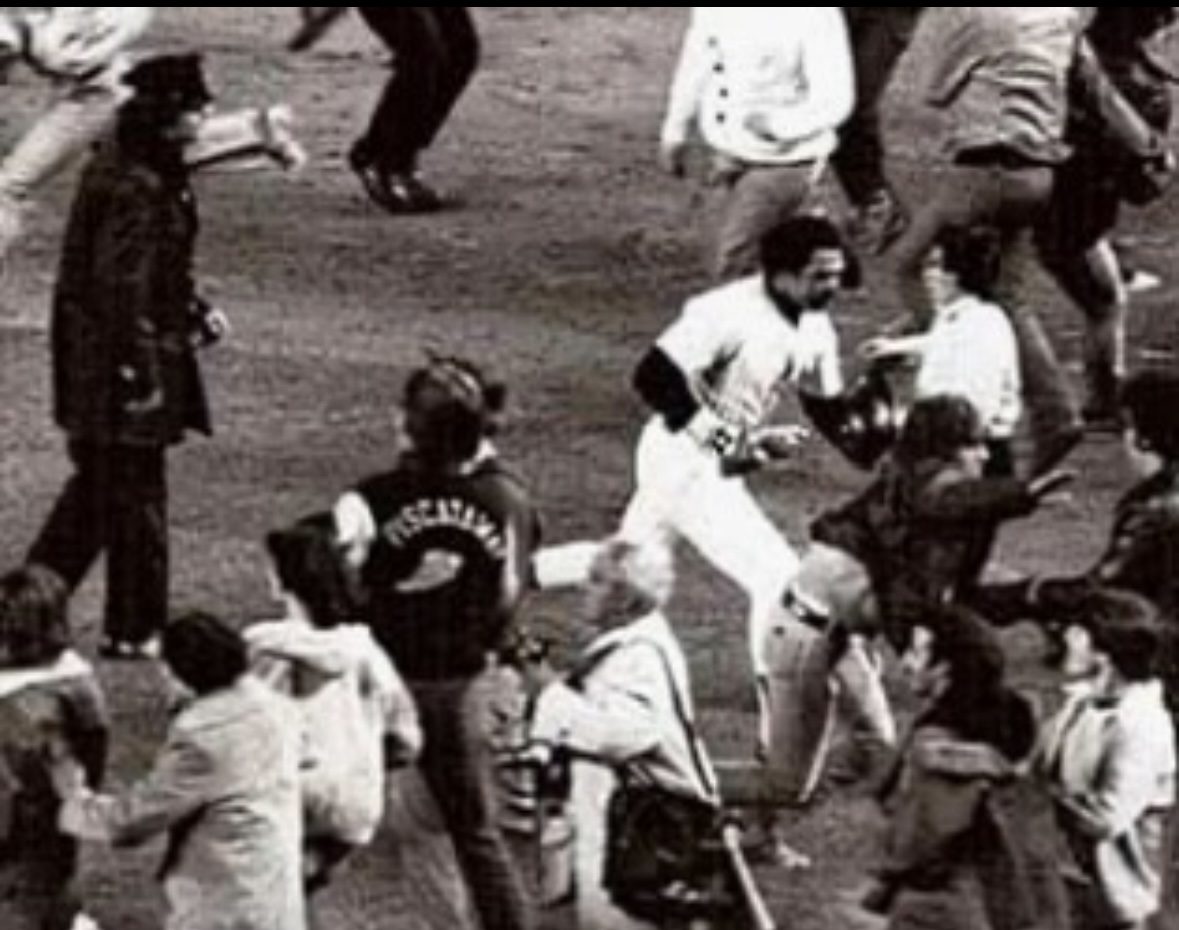
Throughout the broadcast, the two commentators mentioned the fire several times. Viewers were repeatedly assured that no one was hurt, but they were mistakenly told it was an abandoned apartment building. According to the New York Post, the words used by the commentators during the game were later twisted by journalists into the famous phrase, “Ladies and gentlemen, the Bronx is burning,” although neither commentator ever said those exact words. But the author’s choice of this symbolic phrase for the title was no accident. The grim irony was stark: some were calmly watching a baseball game while, nearby, people were suffering and dying.
Interwoven Storylines
“The Bronx Is Burning” is a series set against the complex and multifaceted backdrop of New York City in the 1970s, particularly 1977, when the city was undergoing severe social, economic, and cultural upheaval.
A special role is given to the New York Post, which changed its approach to news, becoming more sensational and focusing on celebrities and crime. The series also highlights the importance of cultural phenomena of the time, such as disco, which became a symbol of glamour and escapism, while punk rock reflected the rebellion and discontent of the youth.
One of the main plotlines is the political battle in the mayoral election between three candidates—Bella Abzug, Ed Koch, and Mario Cuomo—which also reflects the shifts in New York’s society and politics. You can read an article about the winner of this race, Ed Koch, at this link.
The second storyline is the baseball saga of the New York Yankees, a team rife with internal conflicts on its difficult path to stardom.
Other major events of 1977 included the crimes of the Son of Sam, a serial killer who terrorized the city, and a massive blackout that led to widespread looting and chaos. These events further underscore the social tension and problems faced by the city’s residents.
Thus, “The Bronx Is Burning” is not just a sports chronicle but also a socio-cultural study of New York during one of its most challenging periods.
Filming the Series
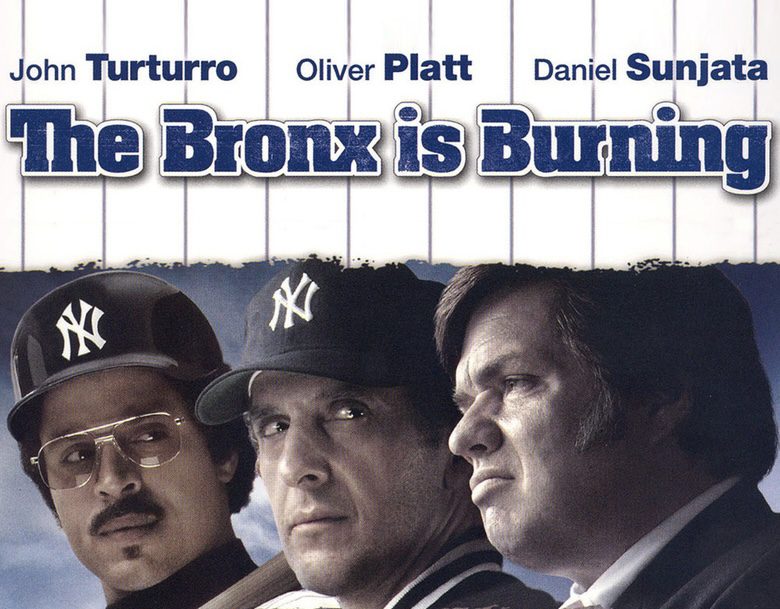
ESPN was impressed by Jonathan Mahler’s book and, just two years after its publication, released an 8-episode miniseries. The production schedule was tight, as producers were eager to release their work to symbolically coincide with the 30th anniversary of the legendary 1977 World Series. The first episode aired on July 9, 2007.
The series starred Daniel Sunjata, Oliver Platt, and John Turturro. The executive producers were Mike Tollin, Brian Robbins, and Joe Davola, with James Solomon as the screenwriter and Jeremiah Chechik as the director.
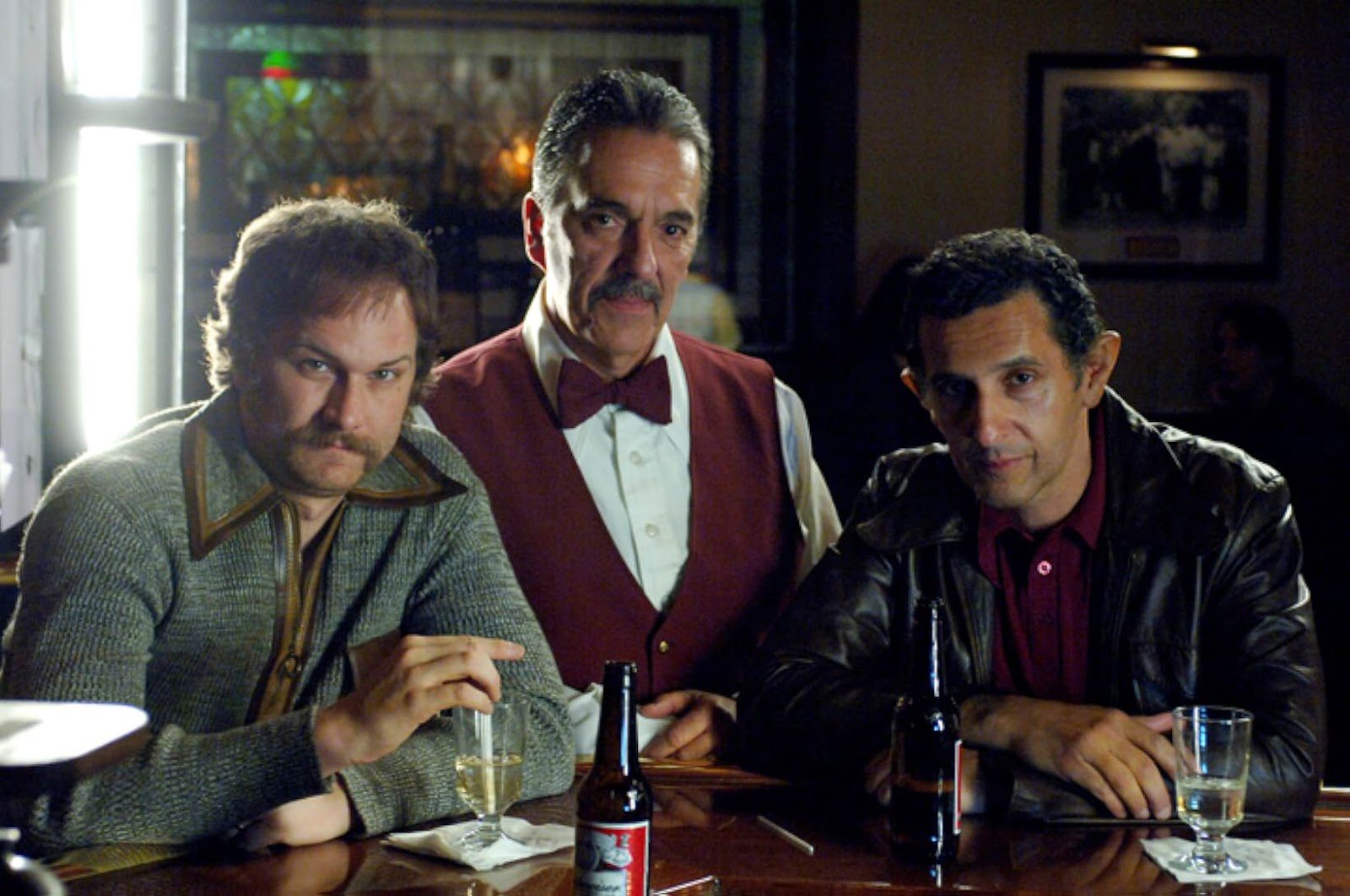
The series was filmed in New London, Waterford, and Norwich, Connecticut, with some scenes also shot in New York City. Dodd Stadium in Norwich stood in for Yankee Stadium. The musical score was provided by the legendary punk band The Ramones.
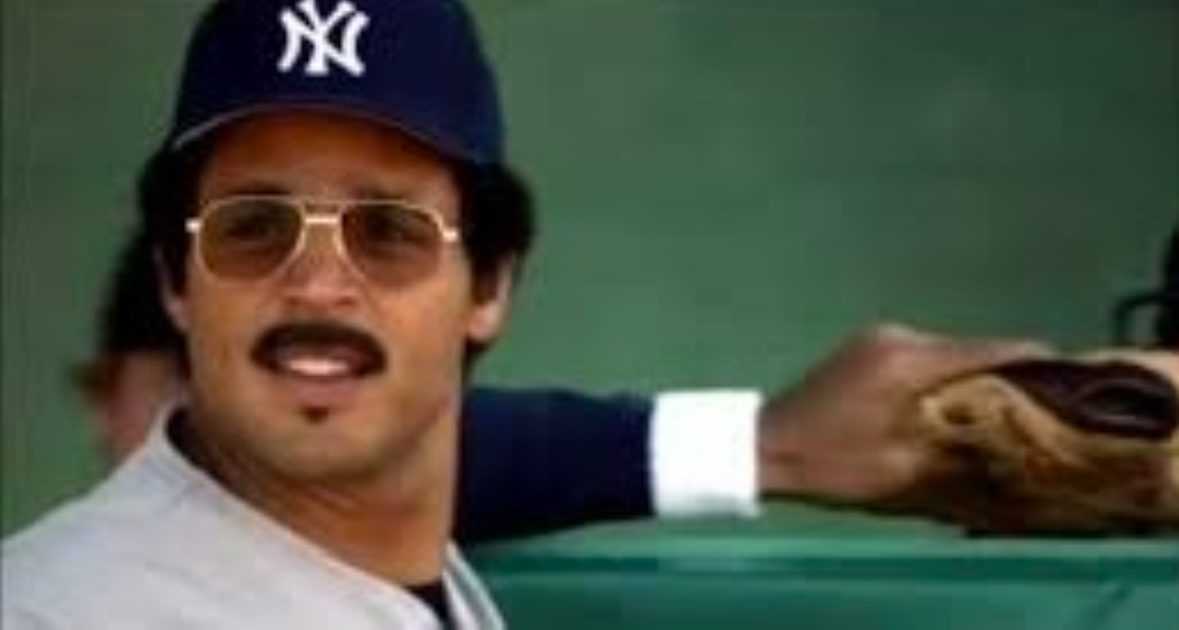
Like the book, the series depicts the complexity of life in New York at the time through the lens of baseball and social issues. On screen, however, the director focused more on the drama unfolding among the key figures in the baseball story. In 1977, Billy Martin was the manager of the Yankees, and his relationships with owner George Steinbrenner and star player Reggie Jackson were incredibly tense. The clash between them led to public conflicts, but ultimately, the team managed to unite and achieve success.
Despite the clear dominance of baseball in the series, the writers skillfully wove in all the storylines from the book. There are arrogant politicians, a serial killer, and a city-wide blackout. This kaleidoscope of chaotic New York life in the 70s, set against the backdrop of one of America’s greatest passions—baseball—captivates the viewer from the very first minutes.
Episode Breakdown
Here is a brief overview of each episode to immerse you in New York’s tumultuous past.
- The Straw (July 9, 2007)
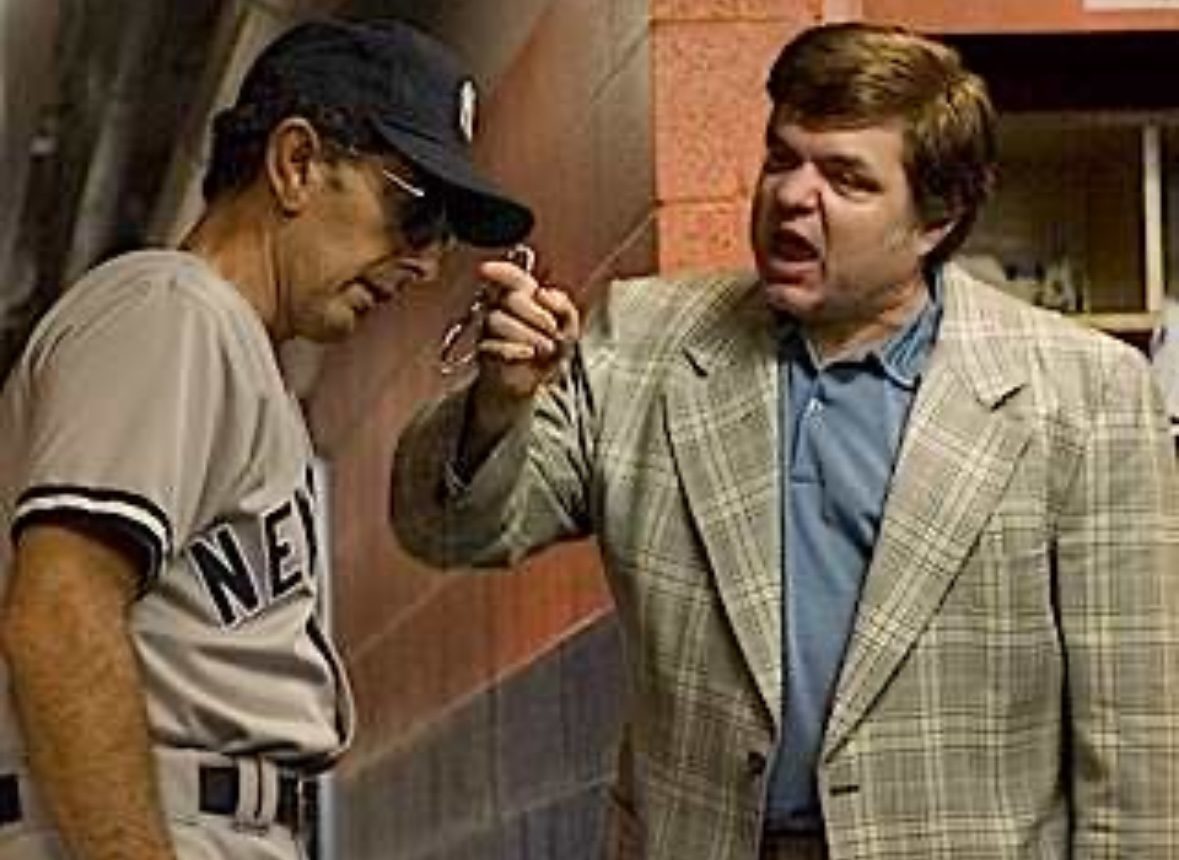
The series immediately kicks off with an explosive conflict within the Yankee empire between team owner George Steinbrenner, manager Billy Martin, and star player Reggie Jackson. The dispute first ignites between the player and manager, as Martin believes Jackson isn’t giving his all on the field and pulls him from the game. They have a heated argument after the match, which is caught on camera by journalists. When Steinbrenner sees the scandal on TV, he is furious, as it tarnishes the club’s reputation, and he threatens to fire Martin. In parallel, the storyline of the Son of Sam killer unfolds as he commits his horrific crimes on the streets of New York. The episode’s title is taken from an interview in which Reggie Jackson calls himself “the straw that stirs the drink” for the Yankees.
- Team in Turmoil (July 17, 2007)
Steinbrenner and Martin apologize to each other, but new conflicts erupt within the team. After Jackson’s arrogant interview, the entire team refuses to speak to him. This internal tension affects their performance on the field. The Yankees lose game after game and find themselves at the bottom of the standings. Meanwhile, the Son of Sam continues to terrorize New Yorkers, leaving a note for the police and sending a letter to a New York Daily News columnist. At the same time, the mayoral race heats up, with incumbent Mayor Abraham Beame challenged by Congressman Ed Koch, New York Secretary of State Mario Cuomo, and feminist activist Bella Abzug.
- Time for a Change? (July 24, 2007)
Tension is palpable across all storylines. Conflicts continue to plague the baseball team at every level. The Son of Sam becomes so confident that he even approaches detectives at a crime scene. In the race for mayor, former Congresswoman Bella Abzug is leading.
- The Seven Commandments (July 31, 2007)
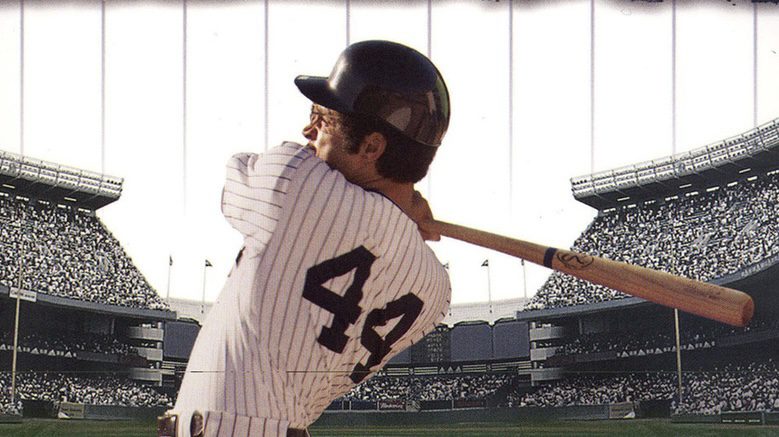
A blackout hits New York, triggering a wave of looting and vandalism. The Son of Sam continues his killing spree, committing a crime in Brooklyn for the first time instead of Queens. On the baseball team, a truce is finally called.
- Caught! (August 7, 2007)
As the season nears its end, the New York Yankees are in a slump. Martin constantly changes the team’s strategy, but this only reignites arguments among the players, as no one is willing to back down. The police finally get a lead on the Son of Sam thanks to a parking ticket. They find a car with ammunition and arrest its owner, David Berkowitz.
- The Game Ain’t as Simple as You Think, Fellas (August 14, 2007)
The episode opens with the announcement that Ed Koch has defeated Mario Cuomo in the race for mayor of New York City. Almost the entire episode is dedicated to the Yankees’ numerous games, as they eventually win the AL pennant and advance to the 1977 World Series.
- Past Combatants (August 21, 2007)
Once again, the entire episode focuses on the Yankees’ fight for the world championship title as they play through the first five games of the World Series.
- Mr. October (August 28, 2007)
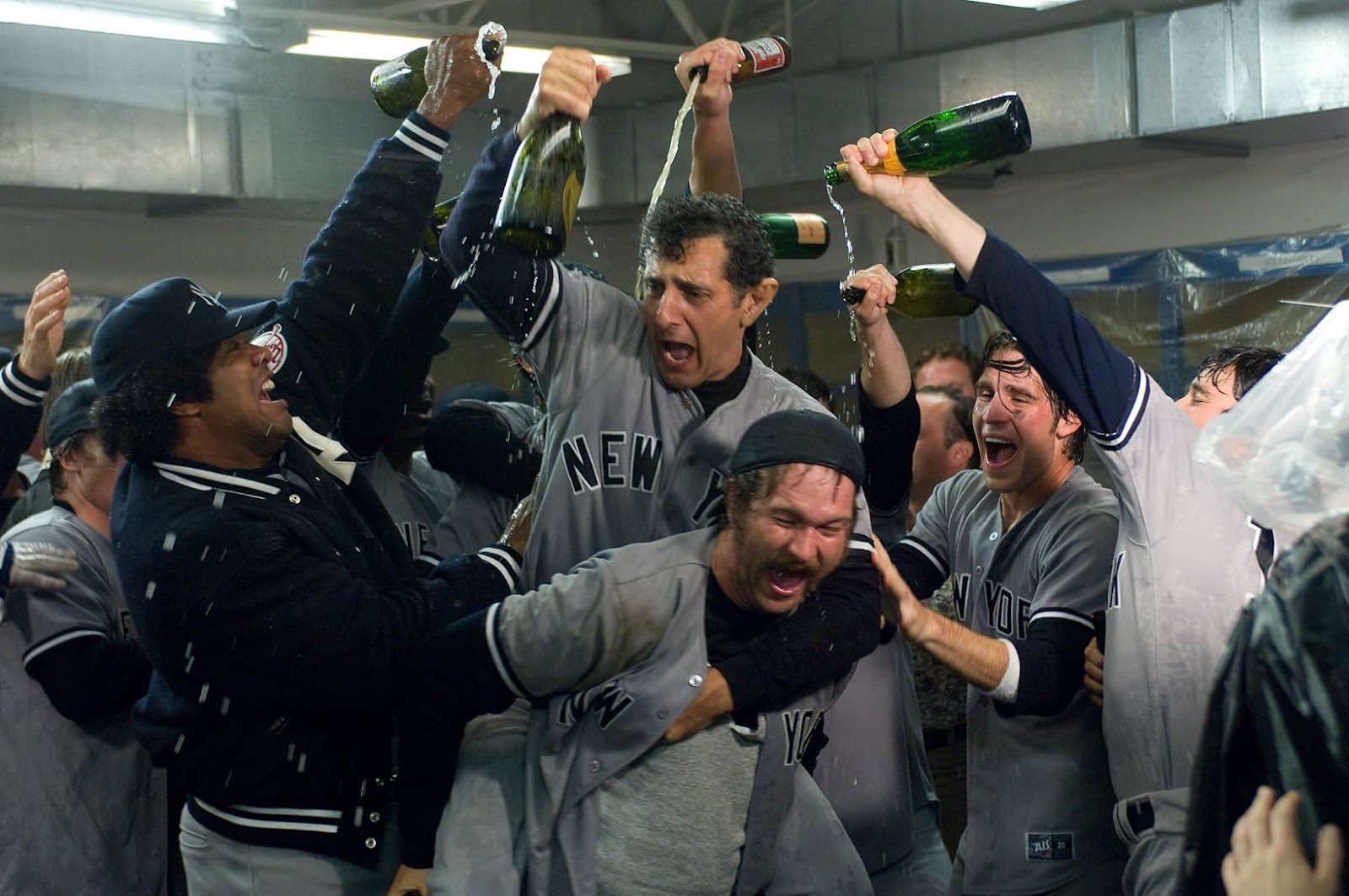
The tense sixth game of the series against the Dodgers ends with a Yankees victory. Reggie Jackson proves he is indeed the “straw that stirs the drink” for the team, spectacularly hitting a home run into the center-field “black seats” in the eighth inning. In the locker room, the Yankees celebrate their world championship title, and Baseball Commissioner Bowie Kuhn presents Steinbrenner with the World Series trophy.
The series epilogue briefly recounts the futures of key figures such as Reggie Jackson, George Steinbrenner, Billy Martin, Thurman Munson, Gabe Paul, the Son of Sam, Ed Koch, and Mario Cuomo.