

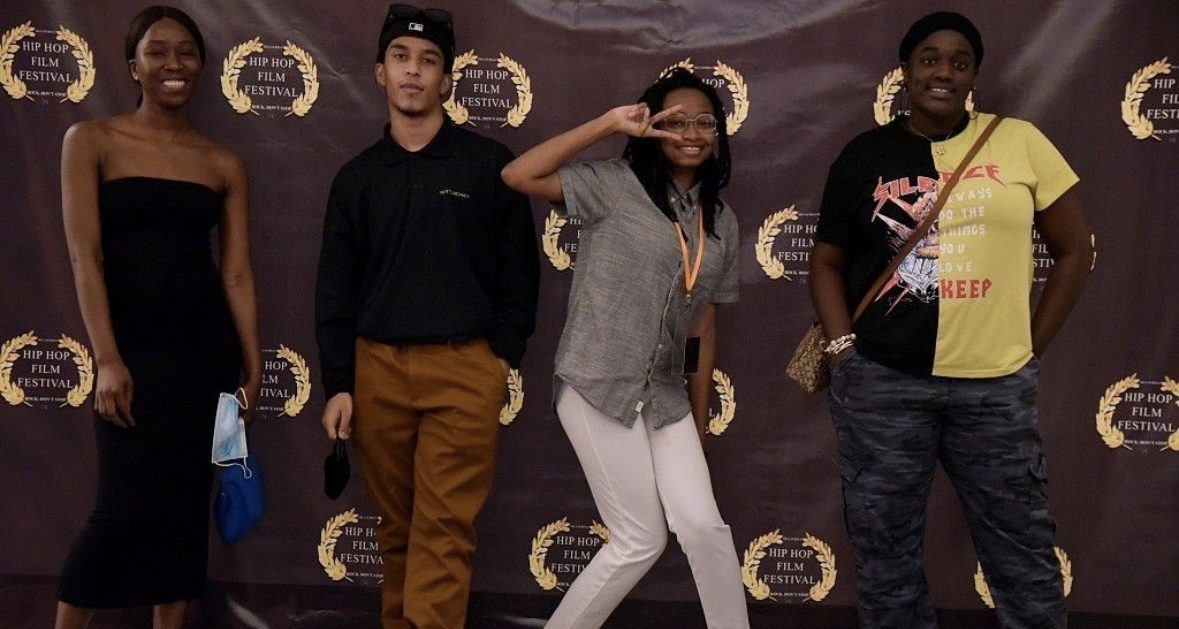
The Hip Hop Film Festival is an international film festival launched in 2015 with the support of the Harlem Film House organization. It aims to be a platform for filmmakers working within the context of hip-hop—not just as a musical genre, but as a global cultural movement. The festival pays special attention to creators from marginalized communities whose voices are rarely heard in the traditional film industry. Over the years, the festival has grown into a major international event featuring film premieres, panel discussions, workshops, and award ceremonies. Events take place in various New York City boroughs, including Harlem and the Bronx, both historically significant to hip-hop. Learn more about this festival and its resonance in the Bronx on bronxski.com.
Harlem — A Hub of the Hip-Hop Movement
Harlem Film House isn’t just a production company or a screening venue. It’s a cultural center that’s changing the game for artists from underserved communities, transforming hip-hop into a true cinematic language.
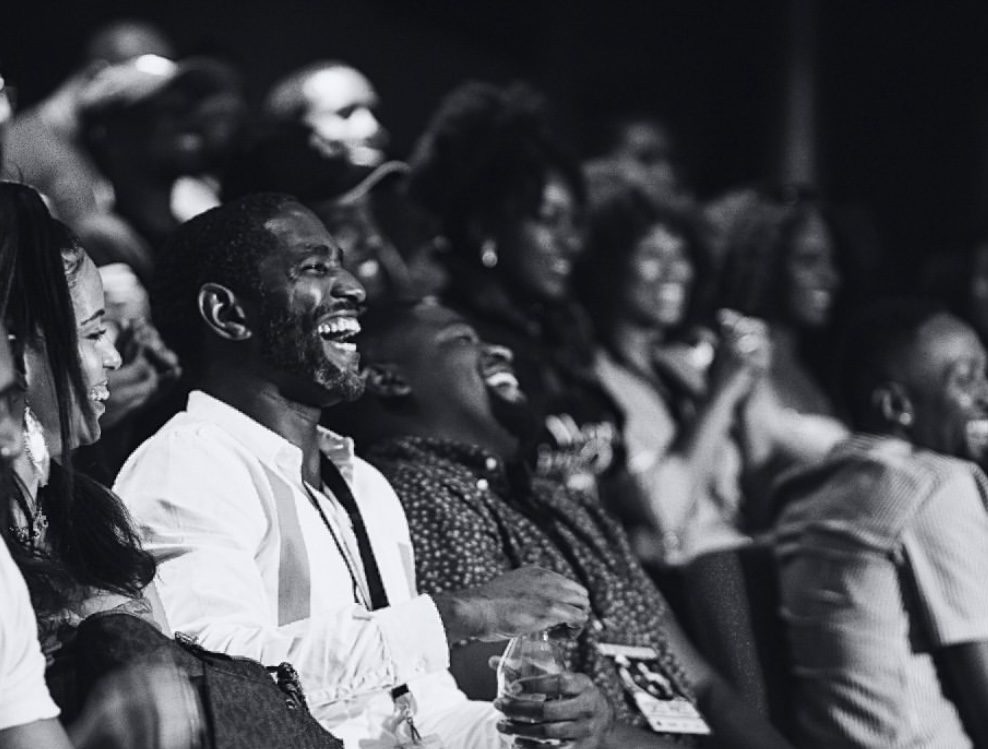
Each year, Harlem Film House organizes the Hip Hop Film Festival. This internationally recognized film forum celebrates authentic stories born in communities that rarely get a voice in the mainstream film industry. It’s more than just film screenings—it’s a cultural platform for voices emerging from the depths of streets, neighborhoods, and generations.
But the festival is just one aspect of their work. Harlem Film House also:
- Produces the ACT UP! theatrical reading series, where actors bring scripts to life on stage in a live reading format.
- Builds the film industry in Web3 through the META FILM WORKS program, enabling artists to develop digital projects, particularly in NFTs and blockchain content.
- Operates the MyFreshTV streaming network—its own platform for broadcasting independent content.
- Fosters an economic ecosystem where creative entrepreneurs receive practical tools not just to create, but to earn a living.
Harlem Film House offers a wide range of programs. First, there’s creative mentorship, where young artists work alongside experienced professionals, from screenwriters to producers. They also provide funding resources (grants, sponsorship programs, technical support), project initiatives (support for content production and distribution), and industry partnerships (introductions to investors, distributors, and studios).
Additionally, they constantly host community exhibitions and pitching sessions, where everyone has the opportunity to present their work to audiences and critics.
They also sometimes implement international initiatives through collaborations with creatives from around the world, fostering experience exchange and cultural interaction.
The Hip Hop Film Festival program includes:
- Screenings of feature films, documentaries, animated films, and music videos.
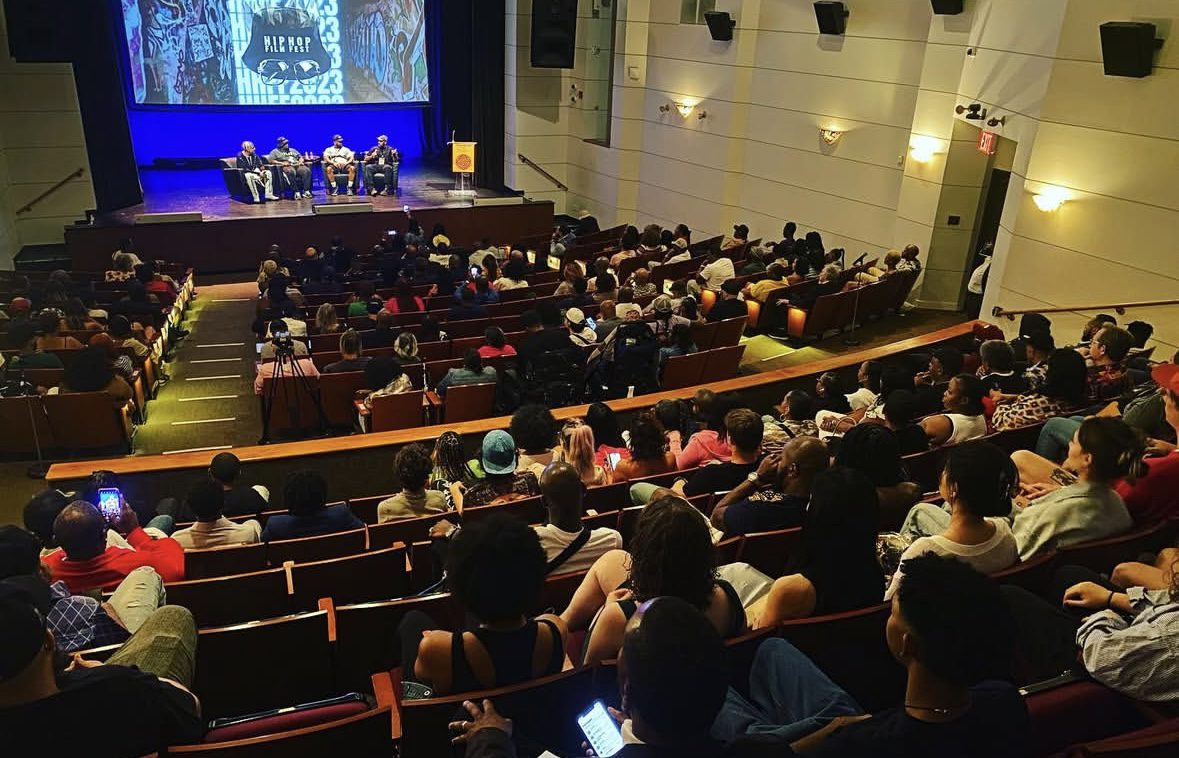
- Master Cyphers panels—discussions focused on directing, producing, distribution, and funding.
- Networking events, where participants connect with industry representatives.
- Award ceremonies recognizing the best works in hip-hop cinema.
Harlem Film House doesn’t just organize events; it creates conditions for cultural growth, financial independence, and long-term creative realization. In a world where it’s hard to break through without access, connections, or capital, this organization gives talented individuals a chance to make their dreams a reality.
Reviving Traditions After the Pandemic
During the major COVID-19 pandemic, the Hip Hop Film Festival, like all other mass gatherings, was prohibited. But the organizers were determined. In August 2020, the festival celebrated its fifth anniversary with a massive virtual show titled “Four Days of Freshness.” The film festival once again brought together directors, screenwriters, producers, and audiences from around the world—this time in an online format. Even in the virtual space, it remained vibrant and dynamic.
In 2020, the focus was on films with strong social messages: particularly female narratives, stories about racial inequality, and even the social horror genre. In total, over 200 films were presented from countries such as France, Brazil, India, Portugal, Saudi Arabia, South Africa, Japan, Argentina, and others.
These films competed in 21 categories—from Best Feature Film or Short Film to Web Series or Documentary Project. Winners received not just awards, but real opportunities: meetings with NBCUniversal producers, BET Networks representatives, and licensing negotiations with Revolt TV. The winner of the ACT UP!screenplay competition earned a chance to collaborate with DosDudes and access the prestigious Final Draft Big Break competition.
The prestigious G.O.A.T. (Greatest of All Time) award went to the legendary Ice Cube—a rapper, actor, producer, and director who, since his N.W.A. days, has shaped the voice of American streets.
A Hip-Hop Film Celebration in the Bronx
The Hip Hop Film Festival: Bronx Edition isn’t just a branch of the main festival in Harlem; it’s an independent event unfolding in the artistic spaces of the Bronx—where hip-hop originated and still pulsates.
While the festival’s central events traditionally take place in Harlem, the Bronx Edition consistently proves that true hip-hop has no boundaries. Thanks to a collaboration with the Bronx Council on the Arts, the festival holds screenings at The Point CDC and the Bronx Museum of the Arts. One of the standout events within the Hip Hop Film Festival in the Bronx was the project “The Ladies”—a collection of films made by women, about women in hip-hop. This program became a powerful gesture of support for the female voice in a traditionally male-dominated cultural space.
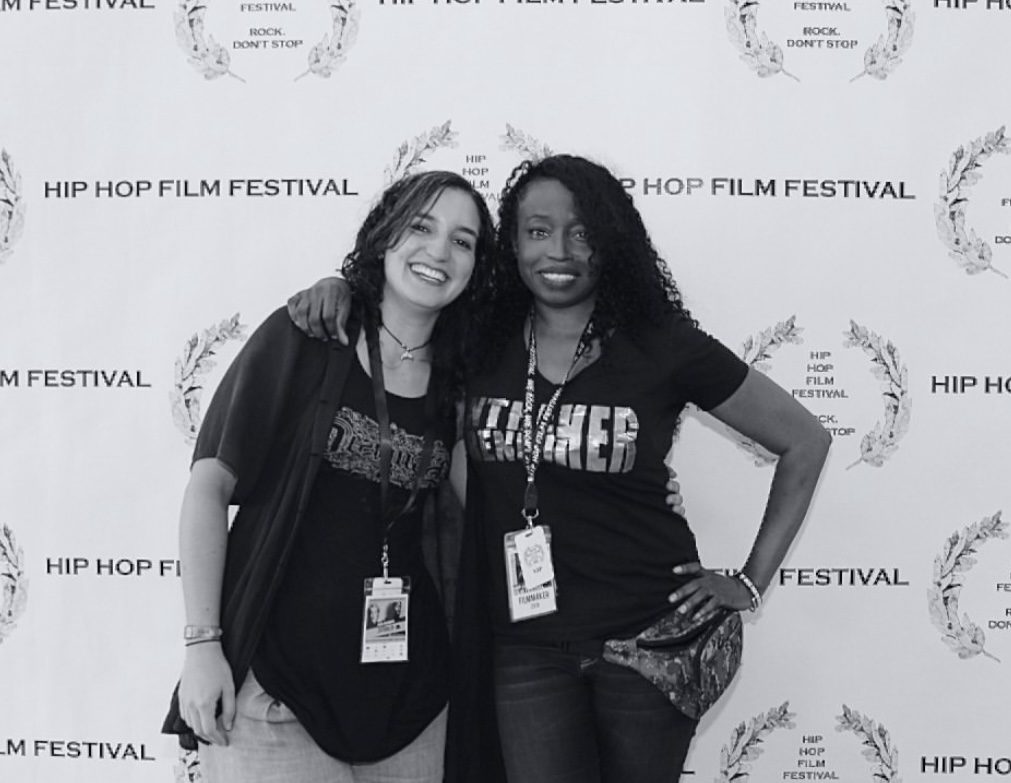
The traditional annual Bronx Edition program includes:
- Screenings of short and documentary films.
- Music videos and experimental cinema.
- Discussions with directors, screenwriters, and producers, primarily from the Bronx.
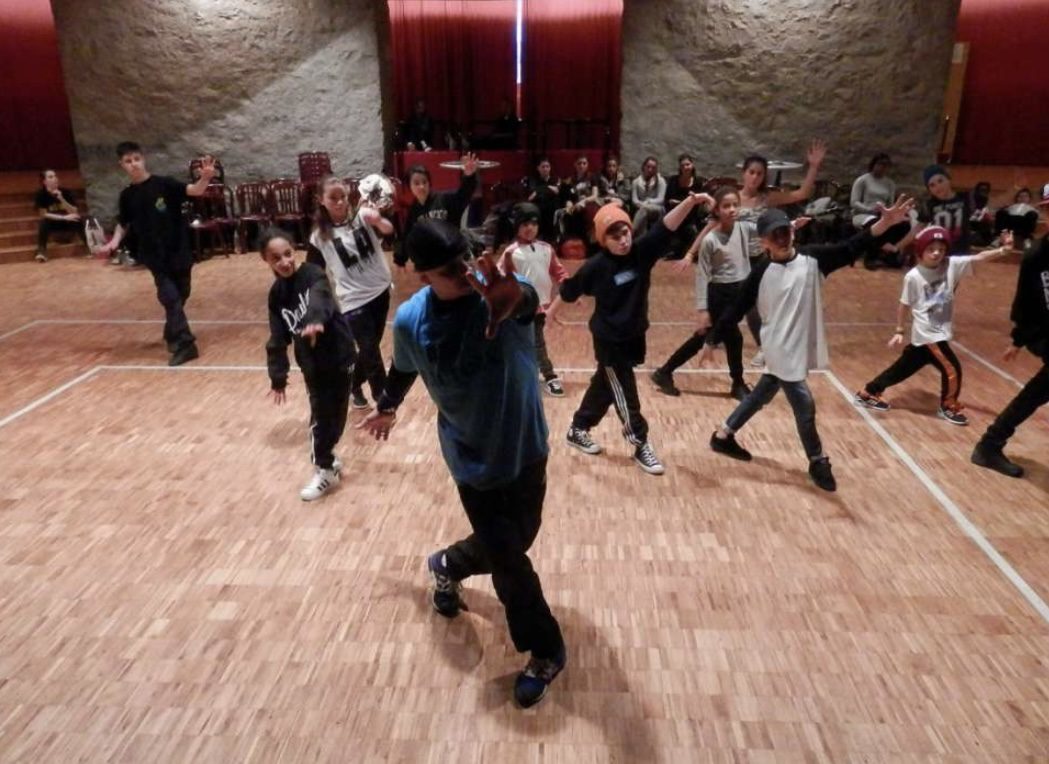
- Training and workshops for youth from local communities aspiring to enter the industry.
The festival in the Bronx is more than just a meeting place for filmmakers; it’s a vibrant media platform for all four foundational elements of hip-hop:
- MCing—rap as a form of verbal art.
- DJing—the art of mixing and rhythmic storytelling.
- Breakdancing—a language of body and protest.
- Graffiti—visual self-expression and resistance.
The festival uses filmmaking as a tool to underscore the Bronx’s role as the cradle of hip-hop—a culture that has spread far beyond New York City and transformed the global perception of music, style, protest, and creativity.
All events in the Bronx are held under the slogan:
“We Own Our Stories.”
The Bronx Edition provides a platform for voices often ignored by major studios, opens doors into the industry, and connects the Bronx, Harlem, and a global audience.
The Story of a Festival-Winning Film
In 1983, sixteen-year-old Handal Gomez Abdelrahim walked the streets of his Bronx neighborhood, clutching a radio blasting his favorite hip-hop music. But this peaceful stroll quickly turned into a confrontation: a stranger hurled racist slurs at him and smashed his radio. Instead of responding with aggression, the boy chose dignity and cleverness—he returned with an even bigger radio and walked past his tormentor, smiling and turning up the music even louder.
He would later say:
“Hip-hop won. We won—without violence.”
This scene became symbolic for Abdelrahim’s entire life. Born in the Bronx to a Colombian mother and a Palestinian father, he knew firsthand what prejudice felt like. His mixed heritage often made him a target of bullying, but he found solace in cinema. His mother would take him to movie theaters, and Handal spent every penny he earned on tickets.
“Movies became therapy for me. My escape from reality,” he recalled.
He was particularly struck by the film “The Warriors,” which depicted the streets exactly as he saw them every day—with vibrant graffiti, tension, and the city’s energy.
A turning point came when he transferred to a public school where hip-hop was already a full-fledged part of youth culture. Graffiti, breakdancing, beats, mixtapes, DJing—this was the language of the neighborhood.
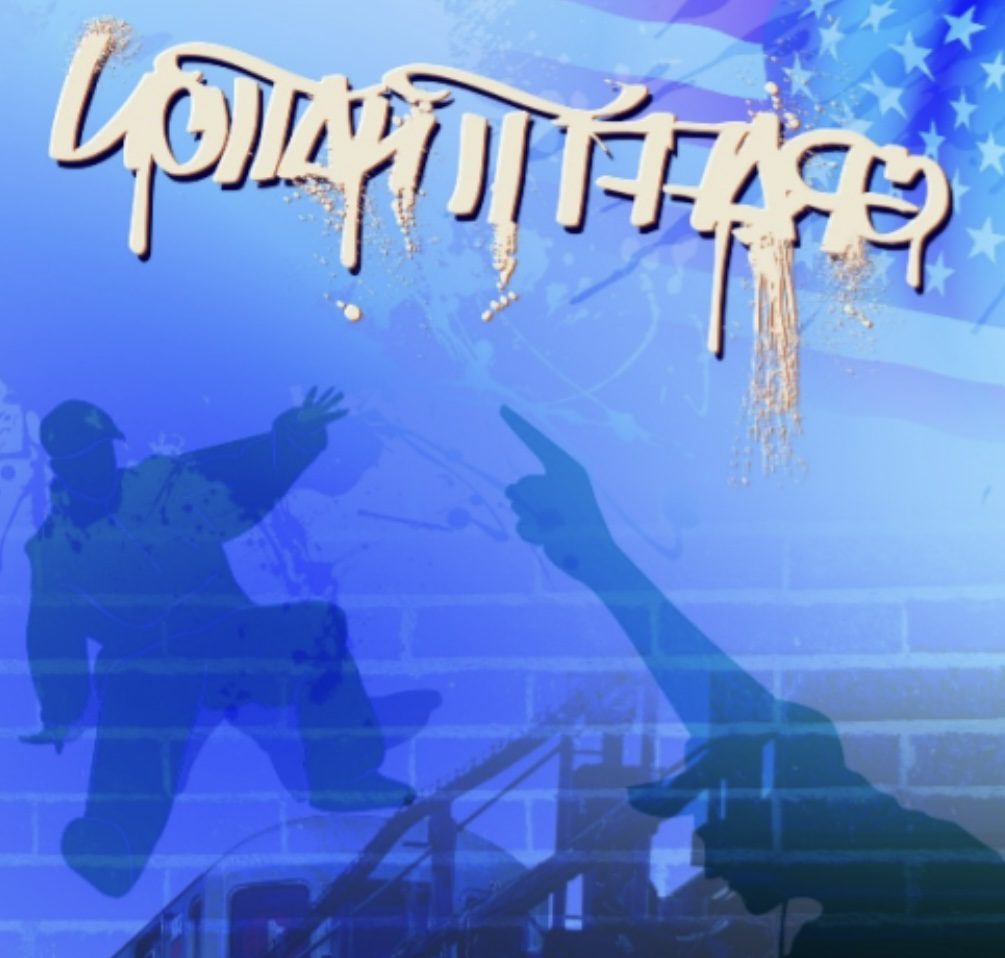
It was this energy that led Handal to the idea of making a film that would tell the story of hip-hop’s evolution—through music, dance, and art.
As an adult, Abdelrahim became an audiovisual technician and director. His film “Graffiti Nation” is a profound exploration of how hip-hop evolved from street self-expression to an influential cultural force. The film features historical graffiti murals from the Bronx, excerpts from iconic films, dance sequences edited to old-school hip-hop music, and parallels between classic cinema and contemporary breakdancing.
The idea to create the film solidified after the deaths of two of Handal’s cousins.
“I wanted to show what life was like. It’s not about me or my family. It’s about all of us. About a generation. About a culture,” he says.
His film is more than just a retrospective; it’s a message about the power of hip-hop as art, resistance, and a way to preserve dignity.