

The Bronx is more than just street culture, hip-hop, and sports. It’s also a city of cinema, where geniuses began their careers, legends were forged, and festivals continue to remind us that film is an integral part of this unique community. One such event is the Bronx International Film Festival. It combines a reverence for the Bronx’s cinematic history with support for contemporary independent filmmakers, creating a platform for new voices in art. Read on for more details on bronxski.com.
Iconic Film Studios in the Bronx
The Bronx is known not only as the birthplace of hip-hop and the home of the famous Yankee Stadium but also as a significant chapter in the history of world cinema. At the beginning of the 20th century, three renowned studios operated right here:
- Edison Studios.
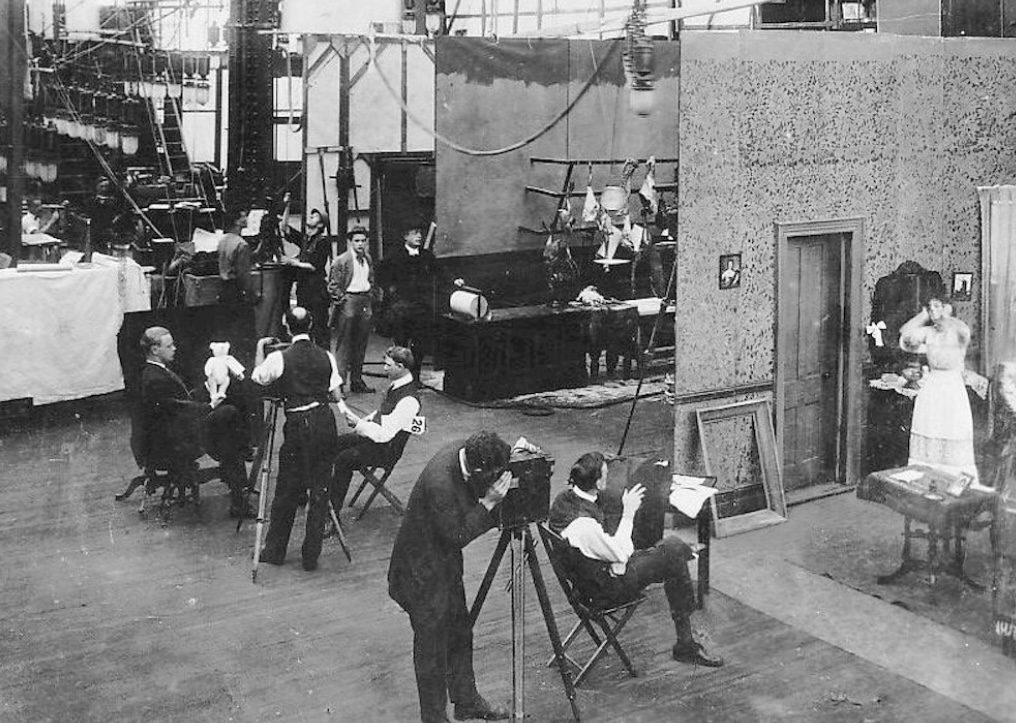
Thomas Edison’s studio relocated to the Bronx in 1907, settling at the intersection of Decatur Avenue and Oliver Place. Its soundstage was impressive in size, boasting a glass roof that provided ideal natural lighting. It was here that the first film adaptation of “Frankenstein” (1910) and the first film serial, “What Happened to Mary” (1912), were created.
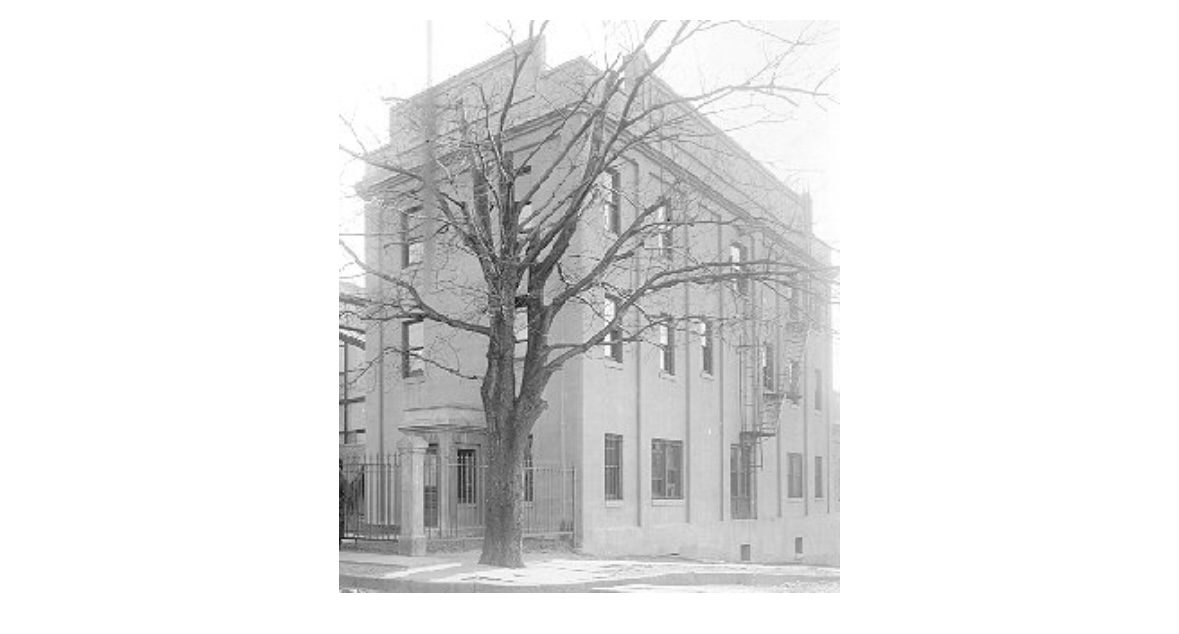
In 1914, a fire caused significant damage, and by 1918, due to antitrust issues and economic difficulties, the studio closed. Despite this, Edison Studios left a bright mark—it became a hub for technical and creative experiments that influenced the entire industry.
- Terrytoons.
In 1930, Terrytoons, founded by Paul Terry, leased the former Edison studio premises at 2826 Decatur Avenue. Here, it began producing sound cartoons, making the transition from silent films to a new era. Terrytoons was characterized by simplicity and accessibility: cartoons were released every two weeks, were vibrant, though budget-friendly.
By 1932, the studio had moved to New Rochelle, where stars like Mighty Mouse, Heckle and Jeckle, and Gandy Goose were born. Terrytoons served as a springboard for future legends such as animator Ralph Bakshi. The studio operated until 1972.
- Biograph Studios.
Biograph Studios moved to the Bronx in 1912, opening a large film complex at 807 East 175th Street. The celebrated director D.W. Griffith worked here, and actresses Mary Pickford and Florence Lawrence became the first true movie stars. However, the studio quickly declined and ceased production by 1916. Everything changed in 1956 when Martin Poll revived the complex under the name Gold Medal Studios. This was the largest film studio outside of Hollywood. Iconic films were shot here, including “The Naked City,” “A Face in the Crowd,” “Odds Against Tomorrow,” “Butterfield 8,” and many others. In 1980, the building burned down.
Today, the legacy of all these iconic film studios is honored by the Bronx International Film Festival (BXFF).
The Genesis of the Bronx International Film Festival
In 2003, amidst a growing interest in the borough’s rich cinematic history, the Bronx International Film Festival (BXFF) was founded in the heart of the Bronx. This event marked a significant step in recognizing the role the Bronx played in shaping the American film industry.
From its inception, BXFF has been known for its intimate, almost family-like atmosphere, where every guest is not just a viewer but a participant in a vibrant creative process. The event traditionally takes place in the cozy theatrical space of Lehman Stages, located on the campus of Lehman College (250 Bedford Park Blvd West). This venue boasts two halls: a large one, accommodating approximately 500 seats, and a smaller one, ideal for more intimate, informal screenings and discussions. Such architecture fosters a deeper immersion into the festival’s atmosphere and makes each session special.
Annually, the Bronx International Film Festival showcases dozens of films—short, feature-length, documentary, narrative, and animated. Its program always presents a wide palette of themes, styles, and cultures, allowing audiences to see the world through the eyes of diverse filmmakers. It’s a meeting place for both new, ambitious creators and experienced professionals, a space for discovering new talents, and for reinterpreting cinematic classics.
The festival also serves as a platform for professional dialogue, where visitors can personally interact with filmmakers, participate in Q&A sessions after screenings, and discuss creative processes and the challenges of contemporary cinema. This format fosters the creation of a true film forum where new ideas, partnerships, and creative collaborations are born.
The festival was initiated by the arts organization Bronx Stage & Film Company, which, since BXFF’s founding, has been dedicated to supporting independent cinema and developing the cultural environment in the Bronx. Its team organizes the festival, inviting directors, producers, and critics from around the world to create a unique dialogue of cultures on screen.
The festival typically takes place at the beginning of the year, in January. For instance, in 2024, it ran from January 22 to 31, presenting over 70 films. These included world premieres, debuts by young directors, films from independent studios, and special screenings for the New York audience. Such a rich program has made BXFF one of the most dynamic and open platforms for independent cinema in New York City.
Highlights of the Bronx International Film Festival
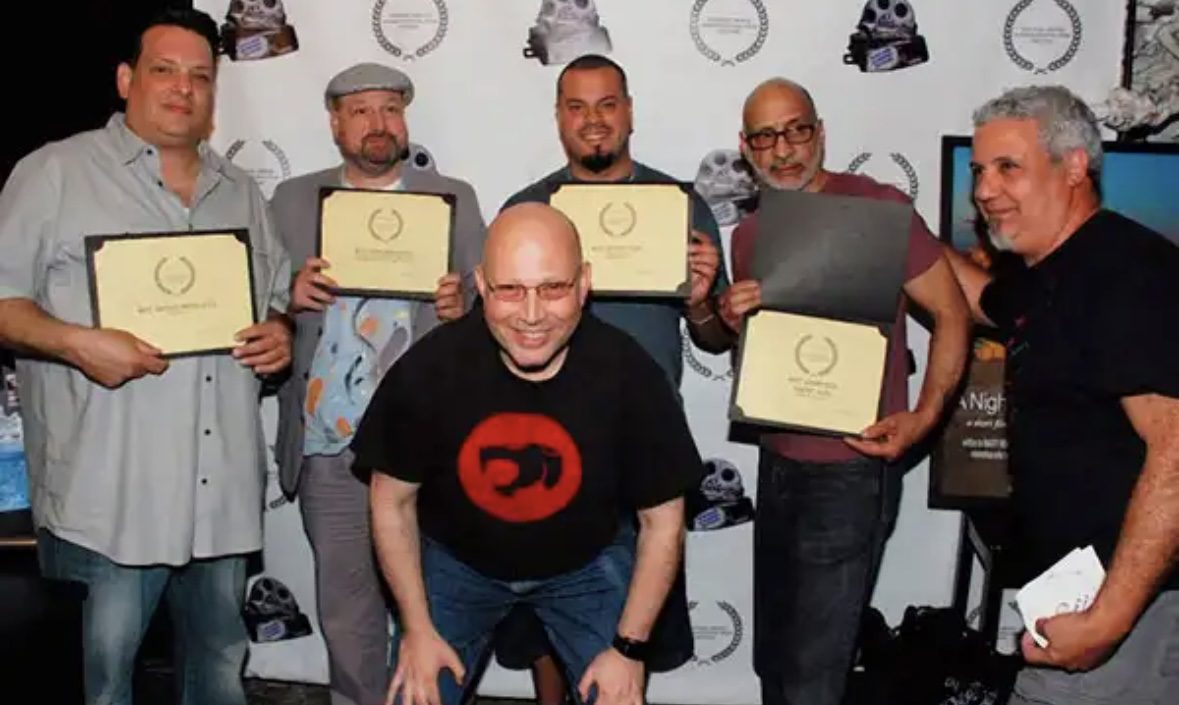
BXFF particularly values independence and boldness. Films often address social themes, multiculturalism, urbanism, and new forms of storytelling. The festival determines winners in several main categories, including “Best of Fest” (best narrative or animated film) and “Best Documentary” (best documentary film). Winners receive a cash prize of $1,000. But the greatest reward for filmmakers is recognition, the opportunity to present their work in New York, and to exchange experiences with the professional community.
The uniqueness of BXFF lies in its dual focus: looking simultaneously to the past and to the future. On one hand, it honors the glorious history of the Bronx as a cradle of filmmaking; on the other, it supports new creators who are making art here and now. The festival maintains a spirit of inclusivity: it’s open to filmmakers with limited resources, independent studios, students, and anyone with a story worth telling.
Festival Participation Requirements
To have a chance to compete for the festival’s main cash prizes, submitted films must meet several key requirements. First, they must be original. This means it should be a new work that hasn’t been commercially released. However, organizers are understanding about a film’s festival life—participation in other film forums is not prohibited.
The festival truly values ideas, talent, and intent. Therefore, even an unfinished film can be submitted, provided it will be completed by the start of the festival. This is a rare option among international events of this caliber, allowing filmmakers to flexibly plan their work and adapt to deadlines.
Another demonstration of support is free participation for Bronx students. This initiative opens the door to the big screen for young local talents who often lack opportunities for promotion or professional presentation of their work. In this way, the festival doesn’t just screen films—it develops the community and nurtures a new generation of filmmakers.
Filmmakers can submit their works through the online platform FilmFreeway, which is highly popular among independent directors, or traditionally on DVD discs. Adherence to technical requirements for format, image quality, and sound is crucial. For films not in English, English subtitles are mandatory. This allows the jury and international audience to fully immerse themselves in the plot and its nuances.
After a film is selected for participation, the filmmaker must timely submit an electronic press kit—a collection of materials for media and promotion—as well as the final version of the film in the appropriate format. If these conditions are not met by the set deadline, the film will unfortunately be removed from the competition program.
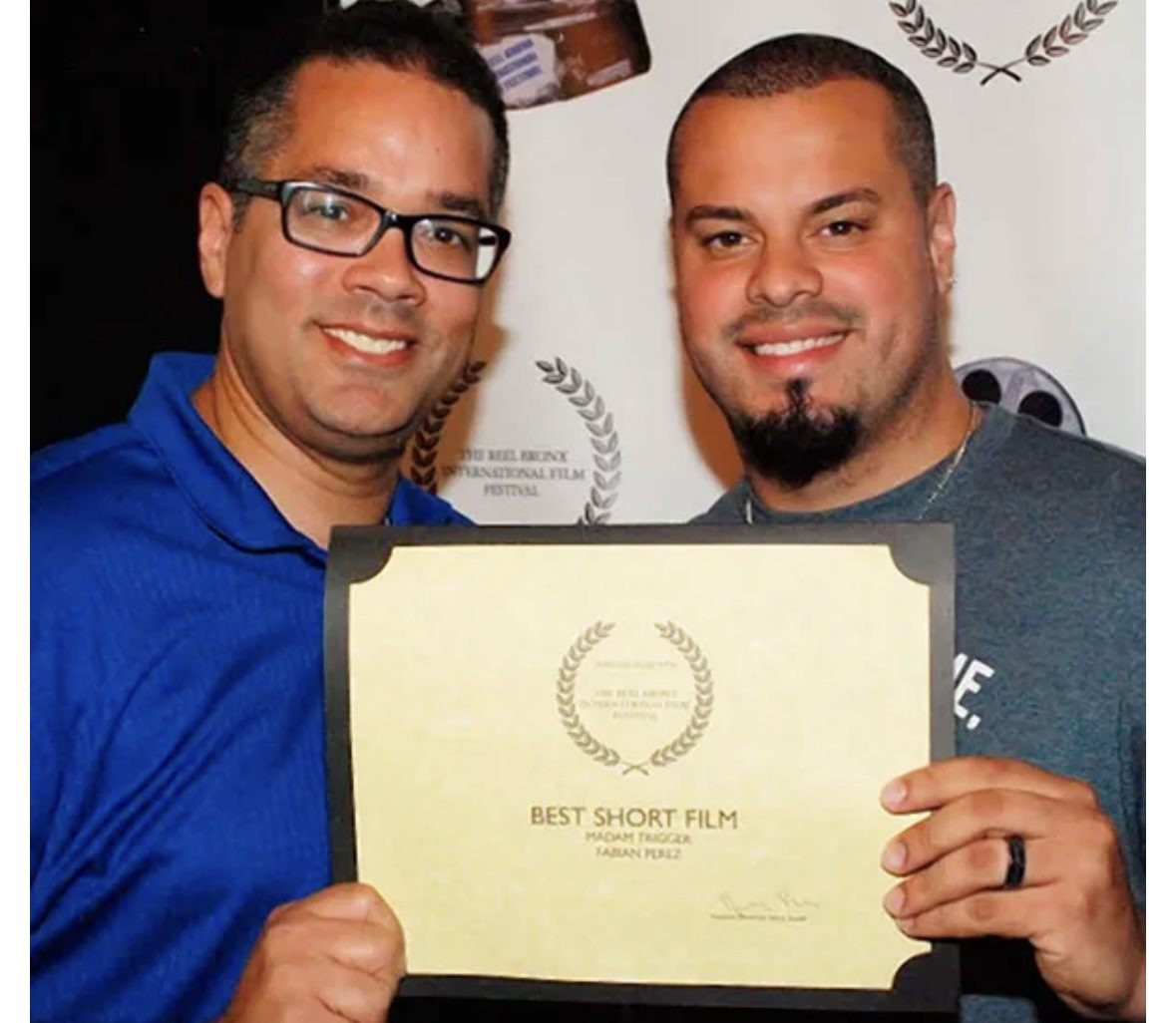
BXFF is more than just a platform for showing films. It’s a place that supports and amplifies the voices of those often overlooked by major studios, those who work with limited budgets but have big ideas. It’s here, in the Bronx—a city with a powerful cinematic history, a multicultural environment, and a bold modern spirit—that the festival becomes a vibrant stage where independent cinema resonates loudly, honestly, and confidently.