

Willie Colón is a legendary musician of Puerto Rican descent. He grew up in the South Bronx and became one of the pioneers of the famous New York salsa sound. The trombonist, composer, vocalist, and producer started his career as a teenager. He later gained global fame through his collaborations with Héctor Lavoe and Rubén Blades, as well as the creation of the iconic album Siembra. In this article on bronxski.com, we explore Willie Colón’s journey from the streets of the Bronx to global stardom. We also look at his musical and political influence, the phenomenon of his “Bad Boy” (El Malo) persona, and the legacy of an artist who forever changed the history of Latin music.
The Music of the South Bronx Streets: How a Puerto Rican Found His Calling
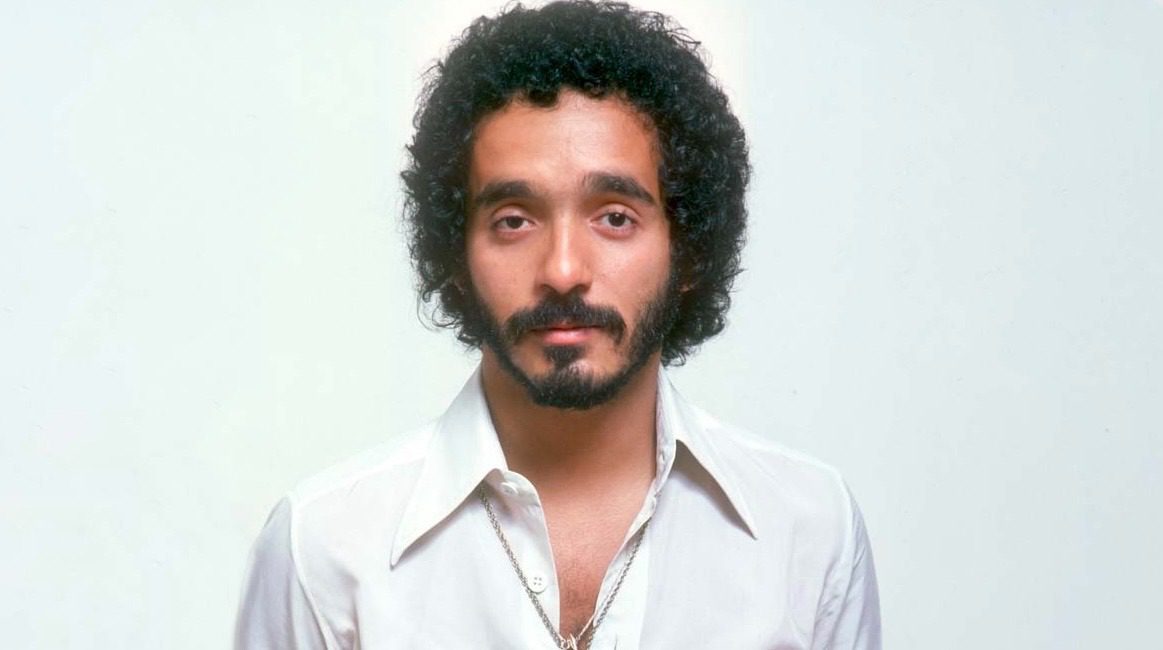
William Anthony Colón Román was born on April 28, 1950, in the Bronx, New York, to a Puerto Rican family. His grandmother, Antonia Pintorette, had a massive influence on his upbringing. She instilled in him a deep love for his native culture and traditions. As a child, he often spent his summer vacations with relatives in Puerto Rico, where he soaked up the island’s traditional rural rhythms.
Noticing her grandson’s interest in music, his grandmother bought him a trumpet when he was just 12 years old. Eventually, Willie switched to the trombone—the instrument that would become his signature. His choice was inspired by the records of Barry Rogers and Mon Rivera. By the age of 14, the teenager had already put together his first band, bringing local kids together to play fiery Latin rhythms.
The street life of New York City dictated its own rules. As Colón himself recalled in 2013:
“To the rest of the world, we were illegal immigrants. In a way, making music was an act of civil disobedience.”
The “El Malo” Phenomenon: A Bad Boy Image and the Breakthrough with Fania Records
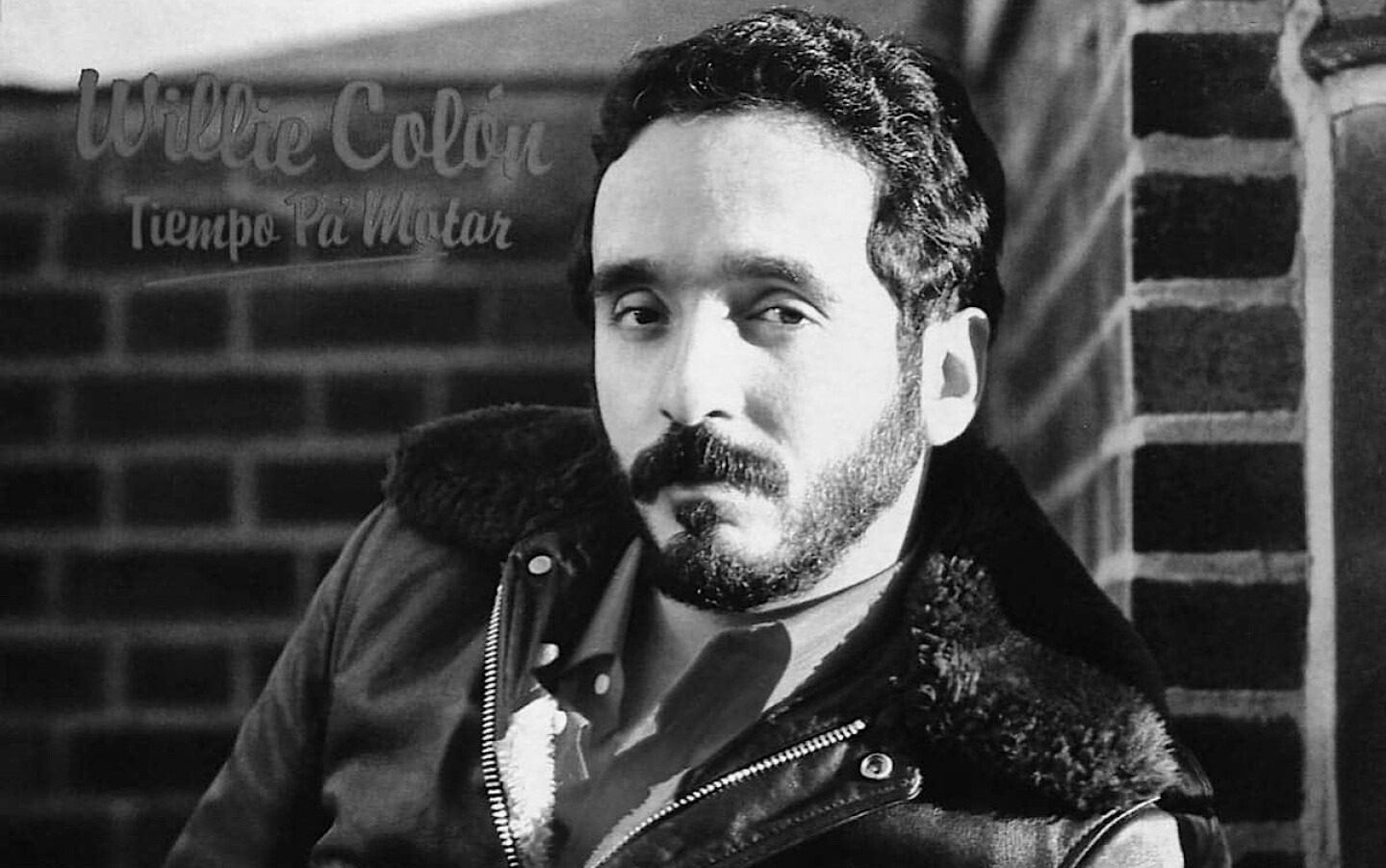
The young man’s talent couldn’t go unnoticed. At 15, Willie was offered a record deal with Fania Records. Since he was a minor, his mother had to sign the contract on his behalf.
Fania’s co-owner, Johnny Pacheco, saw a diamond in the rough. In 1967, when Colón was 17, he released his debut album titled El Malo (“The Bad Guy”). Interestingly, the nickname El Malo started as an inside joke—older musicians would mock the young trombonist’s limited playing range. However, Willie used it to his advantage. He crafted an edgy, streetwise gangster persona that perfectly resonated with the young generation of Latinos in the US.
The album El Malo was a massive breakthrough, selling over 300,000 copies. The raw, dynamic sound of the trombones, fused with jazz and Afro-Caribbean motifs, became the voice of the “Nuyoricans” (Puerto Ricans born or raised in New York).
The Golden Era of Salsa: The Iconic Musical Duo of Willie Colón and Héctor Lavoe
Realizing that the young bandleader needed a strong vocalist, Johnny Pacheco introduced Colón to the talented Puerto Rican singer Héctor Lavoe. This dynamic duo completely revolutionized the Latin music industry.
As Colón once noted:
“I had the street smarts of the Bronx, and he had that rural Puerto Rican folkloric flair. It was a fantastic combination.”
Together, they released a series of landmark albums: Cosa Nuestra (1969), La Gran Fuga (1971), El Juicio (1972), and Lo Mato (1973). Their live shows were thrilling, though often accompanied by controversy. For instance, the track Calle Luna, Calle Sol caused outrage among the residents of the La Perla neighborhood in San Juan because the lyrics portrayed the area as a crime hub. Another incident occurred during a concert in New York when an elderly man asked the band to play a traditional danza. Lavoe made an inappropriate joke, not realizing his microphone was still on. The furious man ended up physically assaulting the singer. As an apology, Héctor later dedicated a part of a song from the El Juicio album to him.
However, this wild success came at a price. By 1973, Héctor Lavoe’s drug addiction and lack of discipline started derailing their tour schedules. Colón made the tough decision to part ways with his frontman, though he continued to produce Lavoe’s solo records in the years that followed.
Social Salsa with Rubén Blades: How the “Siembra” Album Set a World Record
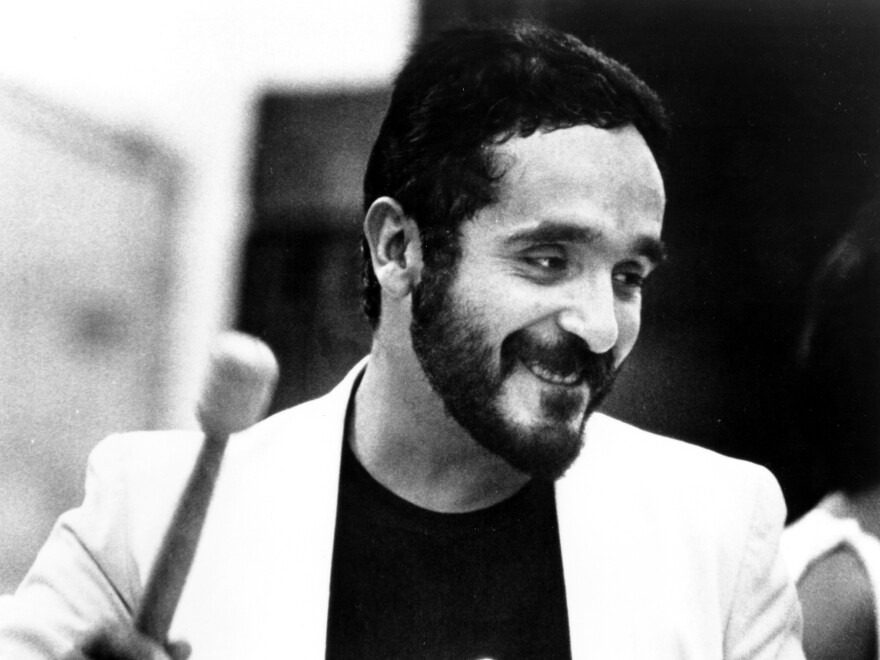
In the mid-1970s, Willie Colón’s career took another pivotal turn. In 1975, he crossed paths with Rubén Blades, a young Panamanian singer and songwriter. By that time, Colón already had a solid reputation as one of the brightest stars of New York salsa, with an image largely shaped by his work with Héctor Lavoe. But now, a new partner entered the story—an artist who viewed salsa as much more than just dance music.
Blades brought something to Colón’s tracks that the genre severely lacked at the time: complex social narratives, political undertones, and the everyday struggles of ordinary people. His lyrics tackled inequality, materialism, crime, street life, and the contradictions of Latin American society. Crucially, the music never lost its core element—the infectious rhythm that kept listeners on the dance floor.
Their collaboration reached its absolute peak on September 7, 1978, with the release of the album Siembra. The record became a massive cultural phenomenon. According to various estimates, its global sales exceeded 3 million copies, an extraordinary achievement for the Latin music industry.
Two tracks stood out in particular. “Plástico” was a biting satire on a society obsessed with superficial glamour, status, and material wealth. Meanwhile, “Pedro Navaja” turned the tale of a petty street thug into a gripping urban drama. Inspired by Bertolt Brecht’s Threepenny Opera, the song became one of the most iconic hits in the repertoire of both Blades and Colón.
The impact of Siembra went far beyond commercial success. The album proved that salsa could remain highly danceable while addressing serious societal issues. It could entertain the crowd and, at the same time, make listeners think critically about the world around them.
Recognition continued to follow the record for decades after its release. In 2007, Siembra was inducted into the Latin Grammy Hall of Fame, cementing its status as a cornerstone in the history of Latin music.
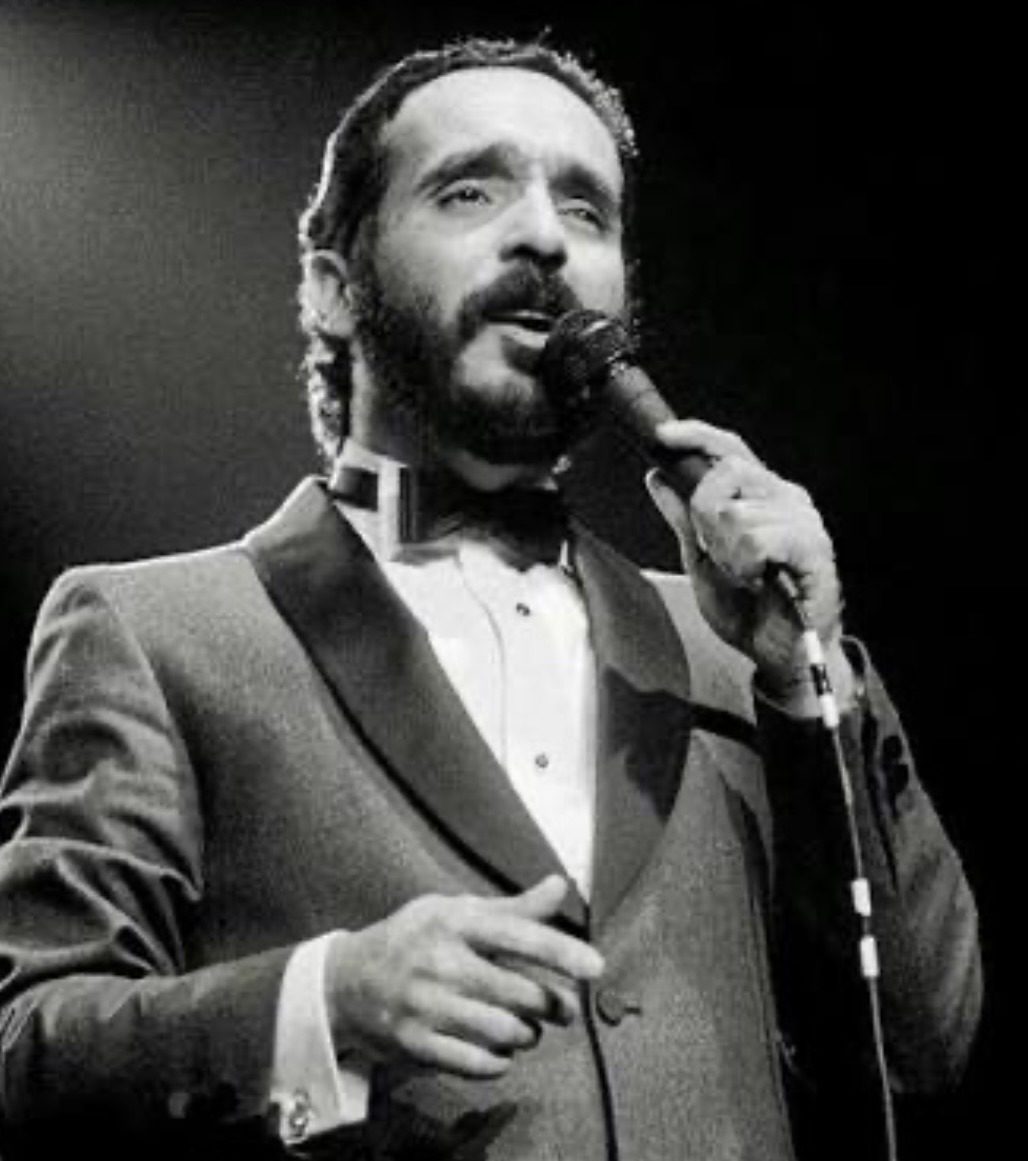
Moving into the 1980s, Colón steadily shifted his focus toward a solo career. He increasingly stepped up to the microphone not just as a composer, but as a lead vocalist. His 1981 album Fantasmas showcased his willingness to experiment, incorporating Brazilian motifs and pop elements into his sound.
From Music to Politics: Activism, Elections, and Controversial Views
After Rubén Blades launched his solo career in 1982, Willie Colón made a bold move—he took over as the primary lead vocalist. During this period, he released one of his biggest solo hits, “El Gran Varón” (1986). The song tackled the taboo subjects of HIV/AIDS and the rejection of homosexuality within traditional Latino families.
Over time, Colón’s interests leaned heavily toward civic activism and politics. He took a proactive public stance:
- He served on the board of the Congressional Hispanic Caucus Institute and worked with the Latino Commission on AIDS.
- In 1995, he became the first minority representative on the ASCAP national board of directors.
- In 1994, he ran in the Democratic primary for the US Congress representing the Bronx.
- In 2001, he ran for Public Advocate of New York City, securing over 100,000 votes.
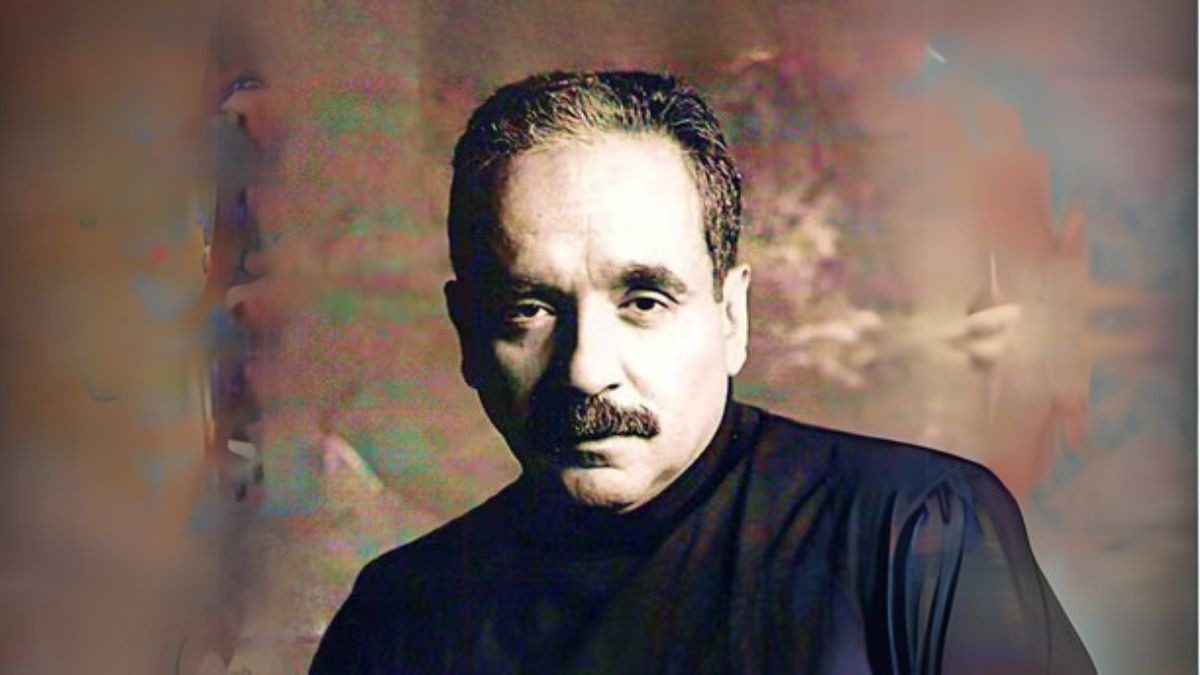
In his later years, however, his political views took a sharp turn, sparking significant controversy. The former champion of progressive causes openly endorsed Donald Trump and the MAGA movement. Many fans viewed his social media posts as xenophobic and anti-immigrant. This created a stark contrast with his early music, which had always celebrated solidarity among the marginalized working class.
Legacy and Final Years: A Severe Crash, Battle with Illness, and the Maestro’s Death
In April 2021, Willie Colón and his wife, Julia, were involved in a life-threatening car accident in North Carolina. The musician suffered a severe traumatic brain injury and a fractured cervical vertebra, requiring extensive rehabilitation. He subsequently developed interstitial lung disease. On February 21, 2026, he passed away from complications of the illness in Bronxville, New York.
The news of his passing shook the world. During a concert in Brazil, contemporary Latin music superstar Bad Bunny stopped his show to pay tribute to the maestro:
“Today, we lost a legend who contributed so much to this beautiful and legendary genre. His inspiration will never fade.”
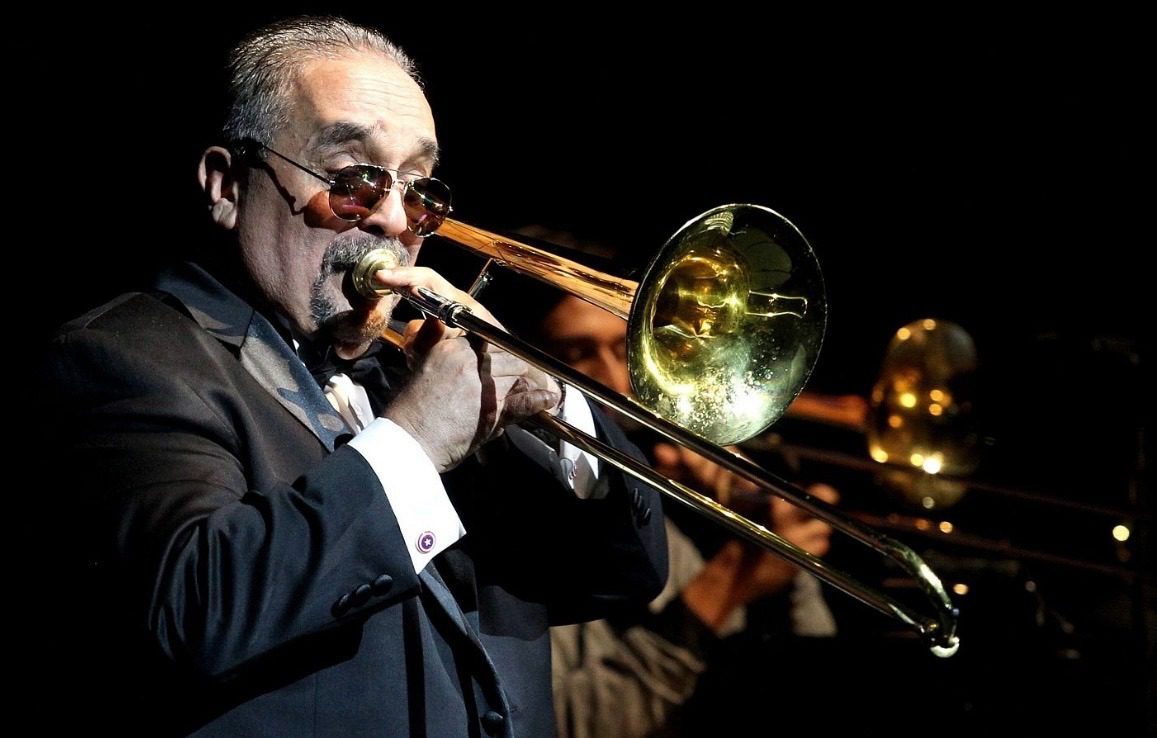
Willie Colón leaves behind a complex but undeniably monumental legacy. He was more than a musician; he was the chronicler of an entire era. His trombone became the voice of New York’s bars, while his albums served as the soundtrack of struggle, joy, and survival for Latinos in the US. Despite the controversy surrounding his later political views, Colón’s music is forever etched in the history of global culture. And his infectious rhythms will continue to live on across dance floors all over the world.