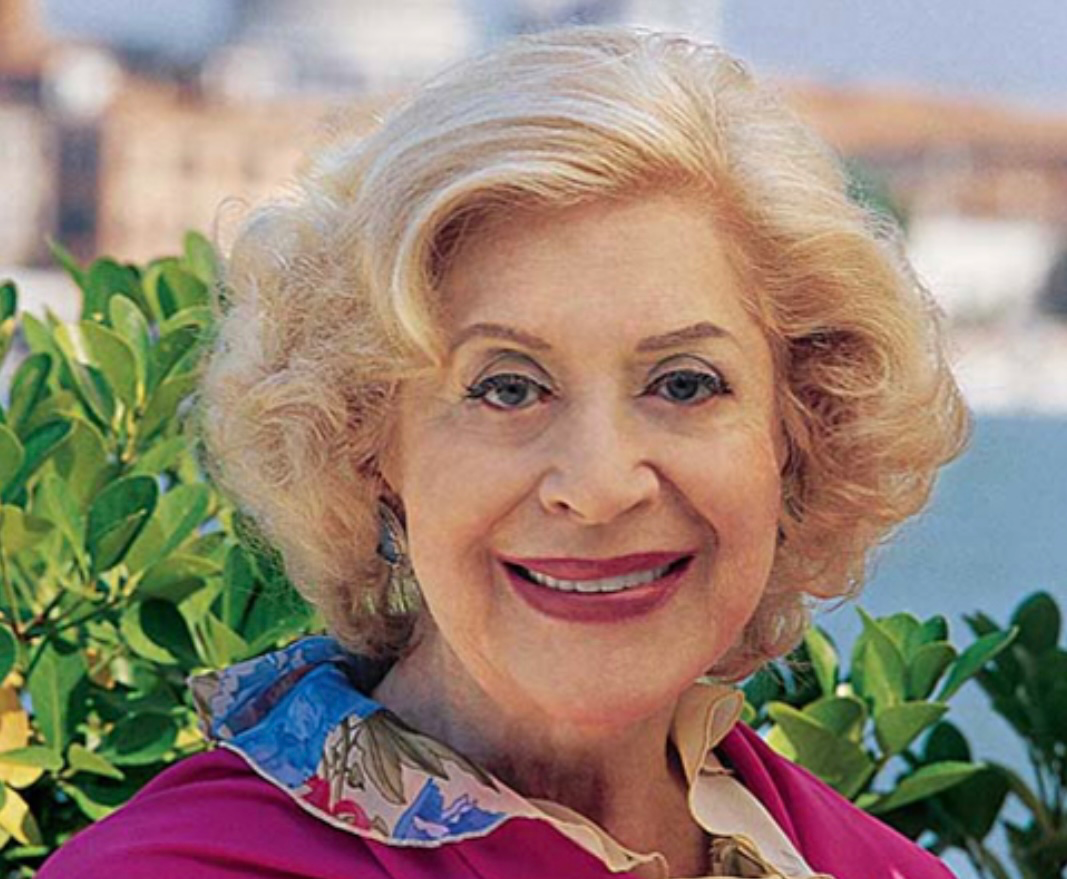
Her career began abruptly and unexpectedly in 1944. At just 22 years old, the singer took to the stage of New York’s Metropolitan Opera, instantly making her a known name in the art world. Initially performing as a soprano and later transitioning to a mezzo-soprano, Regina Resnik achieved global fame and maintained it for over forty years. Read on to discover the success story of this talented young woman from the Bronx on bronxski.com.
Dreamer and Pragmatist: A Path to Success
Regina Resnik was born on August 30, 1922, in the Bronx to Jewish immigrant parents from Ukraine, Sam and Ruth Resnik. Her parents arrived in America via Ellis Island during a difficult time, before she was born, so her childhood began in the noisy and diverse Bronx.
From a young age, Regina dreamed of the stage and was convinced she would become an opera singer. However, financial hardship could have ended her plans, as her parents had no money for music lessons. But it was then that Rosalie Miller, a teacher who believed in the talented young student, appeared in her life and agreed to teach her for free. Resnik began studying with Miller at thirteen and remained her student even while attending college and taking her first career steps.
Regina impressed not only with her voice but also with her intelligence and discipline. She skipped several grades in school, advancing quickly, and chose a specialized high school where she studied German and Italian—languages that would become key to the world of opera.
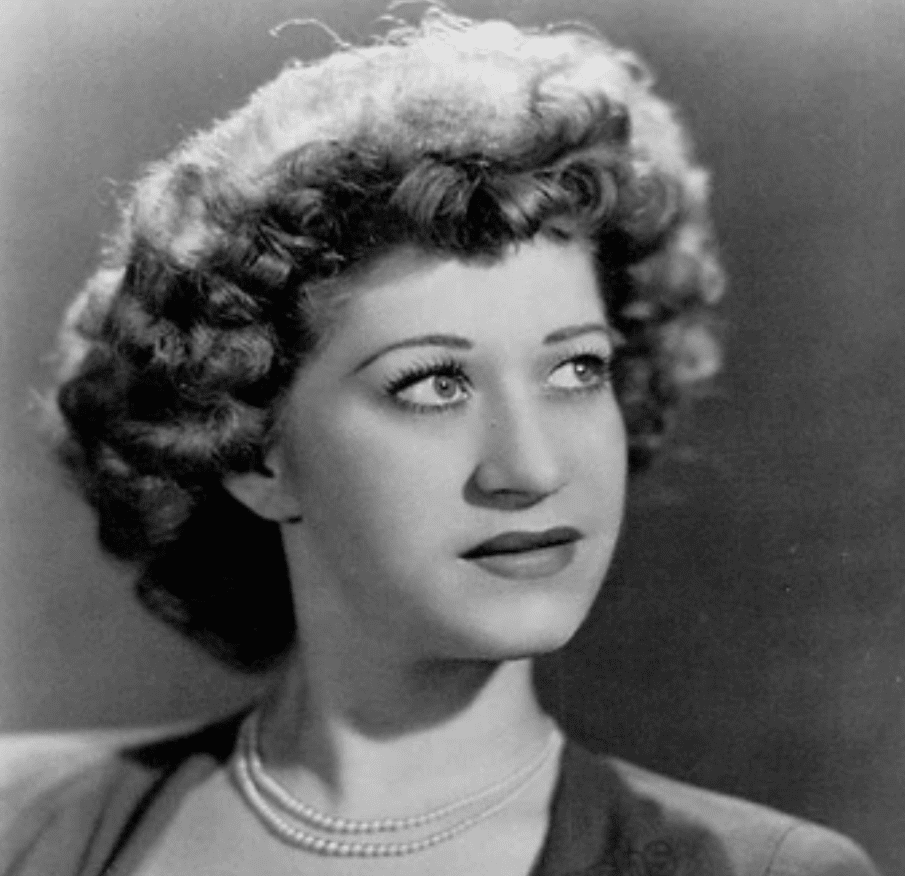
Despite her talent and ambition, the young woman remained a realist. She even turned down a scholarship to the prestigious Juilliard School, making the more practical choice of Hunter College in New York. There, she studied music education to have a reliable career as a teacher, just in case her singing career didn’t work out. This calculation, however, proved unnecessary. In 1942, after earning her diploma, Resnik was already confidently moving toward the main stage.
Triumphant Rise
Regina Resnik’s confidence in her talent was well-founded. In the early 1940s, her career took a real leap forward. In the fall of 1942, she first appeared on the stage of the Brooklyn Academy of Music, and soon after, she debuted in opera as Lady Macbeth in Verdi’s “Macbeth” with the New Opera Company of New York. An exhausting national tour of forty concerts—from college campuses to women’s clubs and churches—awaited her, but the young singer handled it brilliantly.
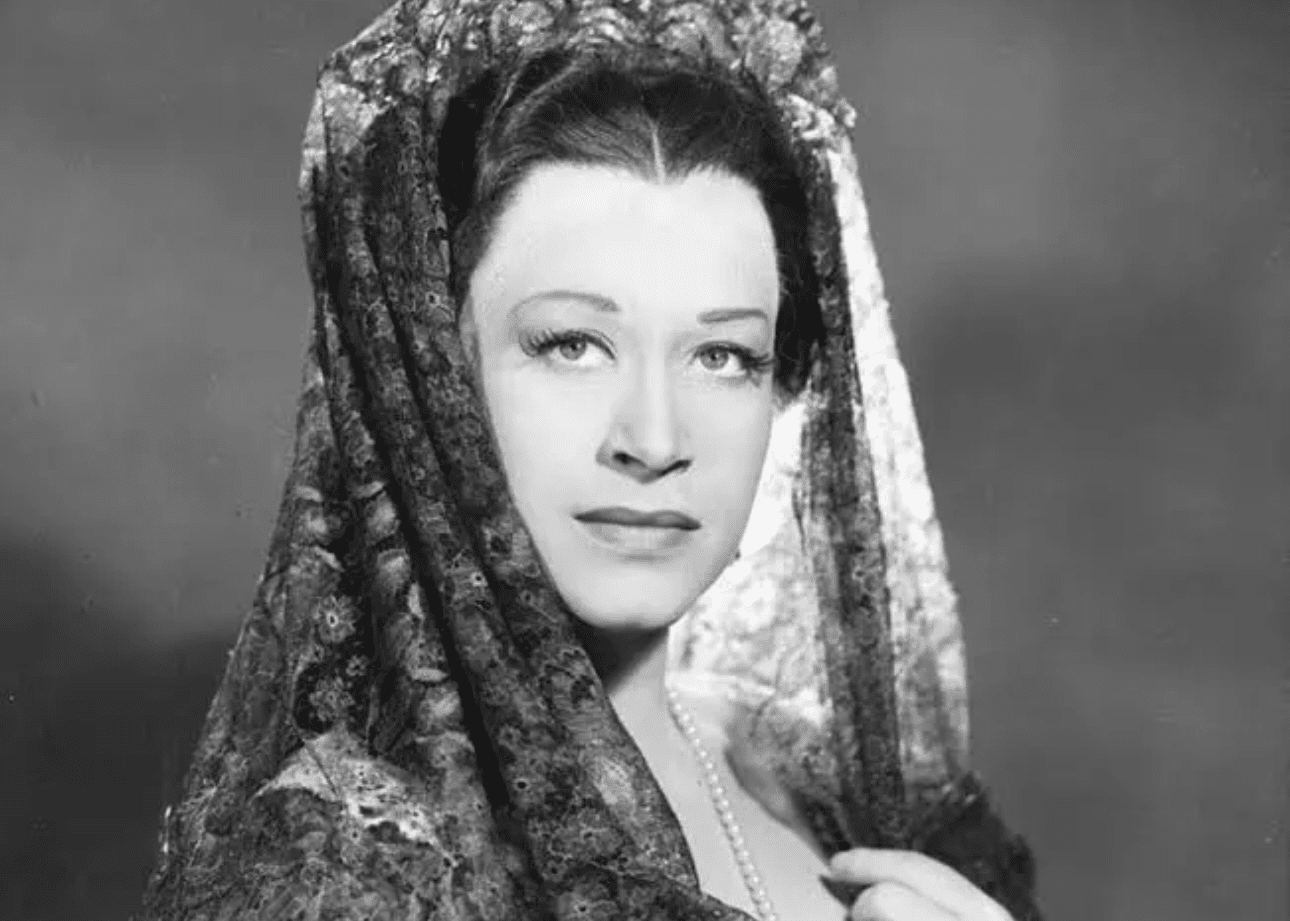
The following year, the world learned of a new star. In Mexico City, Resnik performed as Leonore in Beethoven’s “Fidelio” under the baton of the great Erich Kleiber. This was followed by performances at the New York City Opera, where she sang Micaëla from “Carmen” and Santuzza from “Cavalleria Rusticana.”
The real breakthrough came with her victory in the radio contest “Auditions of the Air” in 1944, which led to her being invited to join the Metropolitan Opera company by Edward Johnson himself. Fate gave Regina a chance, and at the same time, it tested her resilience. On December 6 of that year, with only a few hours’ notice, Resnik replaced the famous Zinka Milanov as Leonora in Verdi’s “Il trovatore.” It was her triumph. In just a few weeks, she managed to sing Santuzza, Aida, and Leonora under the direction of Bruno Walter—a tremendous challenge for such a young artist.
From then on, Resnik became a leading soprano at “The Met.” Her roles included Ellen Orford in the premiere of Britten’s “Peter Grimes,” Alice Ford in “Falstaff,” Sieglinde in Wagner’s “Die Walküre,” Donna Anna and Donna Elvira in Mozart’s “Don Giovanni,” and Princess Eboli in “Don Carlos.”
Resnik often said that opera was a sport to her.
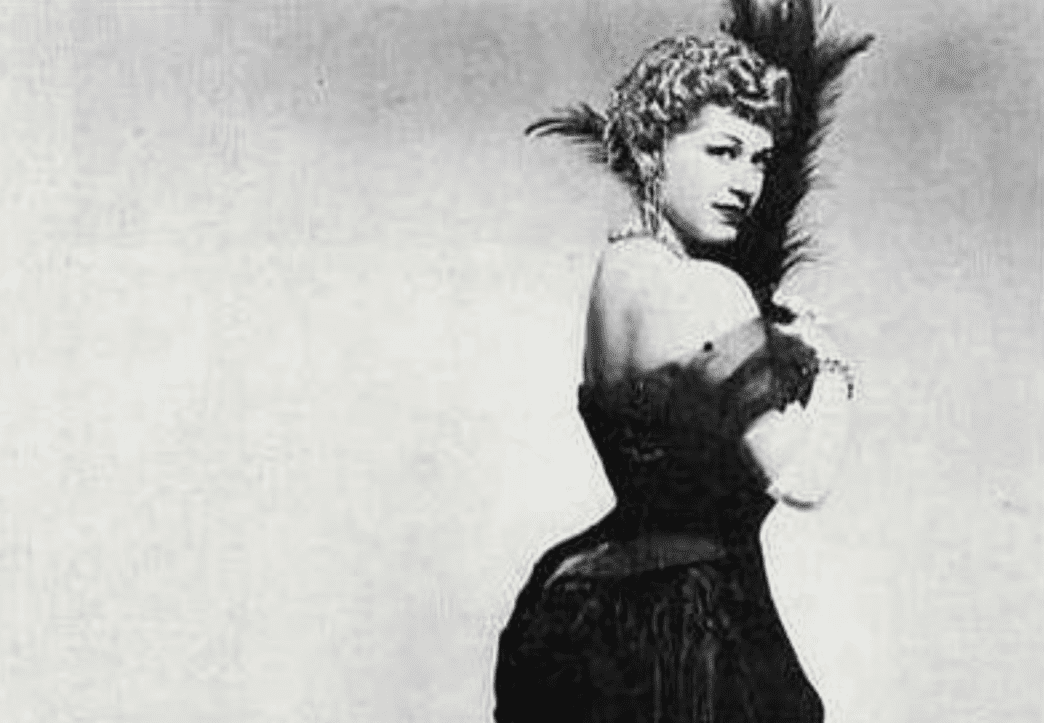
“What we as opera singers achieved in our lifetimes, when I look back at 40 years of singing like this, is a very great feat. When you’re at the height of your power in opera, if you’re performing an opera like ‘The Woman Without a Shadow,’ there’s nothing else that can compare to it except an Olympic endurance competition.”
Thus, in a matter of years, the girl from the Bronx transformed into one of the leading divas of world opera, proving that persistence and talent can take you to the top even in the most demanding conditions.
A New Voice, a New Peak
By the mid-1950s, Regina Resnik had already earned fame as a brilliant soprano, but her career unexpectedly took a different path. Her voice began to darken, acquiring the rich tones of a mezzo-soprano. This was not just a technical challenge—it was a test that could have destroyed her established fame. However, Resnik didn’t give up. She turned to the former baritone Giuseppe Danise, who helped her rebuild her technique and discover her new vocal self.
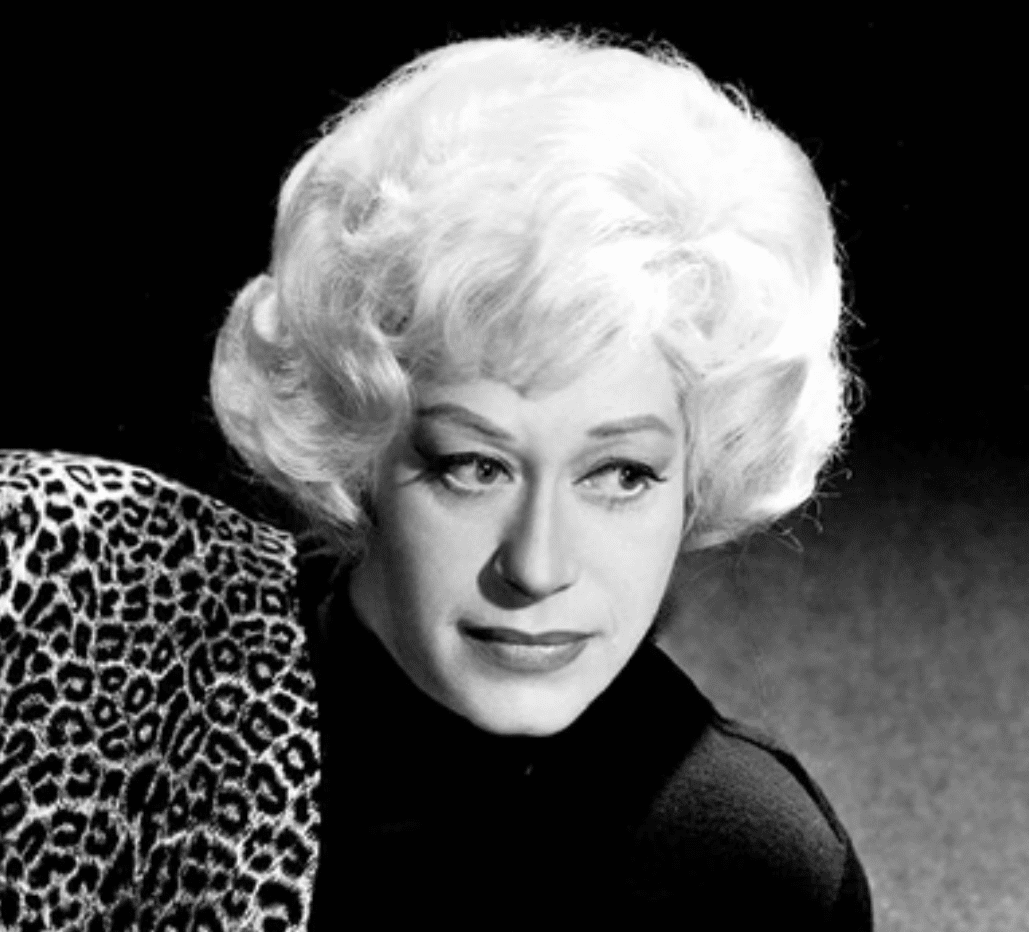
Abandoning her beloved soprano roles, Resnik immersed herself in a different repertoire: dramatic, warm, and expressive. It was here that she truly blossomed—her Carmen at Covent Garden in 1957 became her triumph and a new calling card. The London audience was captivated by her seductive Marina from “Boris Godunov,”her witty Mistress Quickly in “Falstaff,” and her majestic Klytämnestra in “Salome.” In Vienna, Resnik performed “Carmen” twice under the direction of Herbert von Karajan, and she soon conquered Berlin, Paris, and Stuttgart. Regina also shined in Salzburg, where she sang Eboli in “Don Carlos.”
European stages embraced Resnik as a true star, while things were more difficult at the Metropolitan Opera. The new theater director, Rudolf Bing, saw her more as a secondary performer than a prima donna and for a long time didn’t give her the chance to perform as Carmen. Disappointed by the management’s indifference, Resnik even left the company in 1967 in protest. The theater only later acknowledged its mistake and restored her to leading roles.
Despite these conflicts, Regina created dozens of roles at the Metropolitan Opera, including Amneris in “Aida,” Ulrica in “Un ballo in maschera,” Azucena in “Il trovatore,” Laura in “La Gioconda,” and the Baroness in the premiere of Barber’s opera “Vanessa.” In San Francisco, she gave the American public the U.S. premiere performance of Claire in von Einem’s “The Visit of the Old Lady.”
Resnik never regretted her transition to mezzo-soprano.
“When I switched to mezzo, the range of great parts, and also great lead parts, was so huge that there was no question about my interest as an actress,” she told Bruce Duffie in an interview.
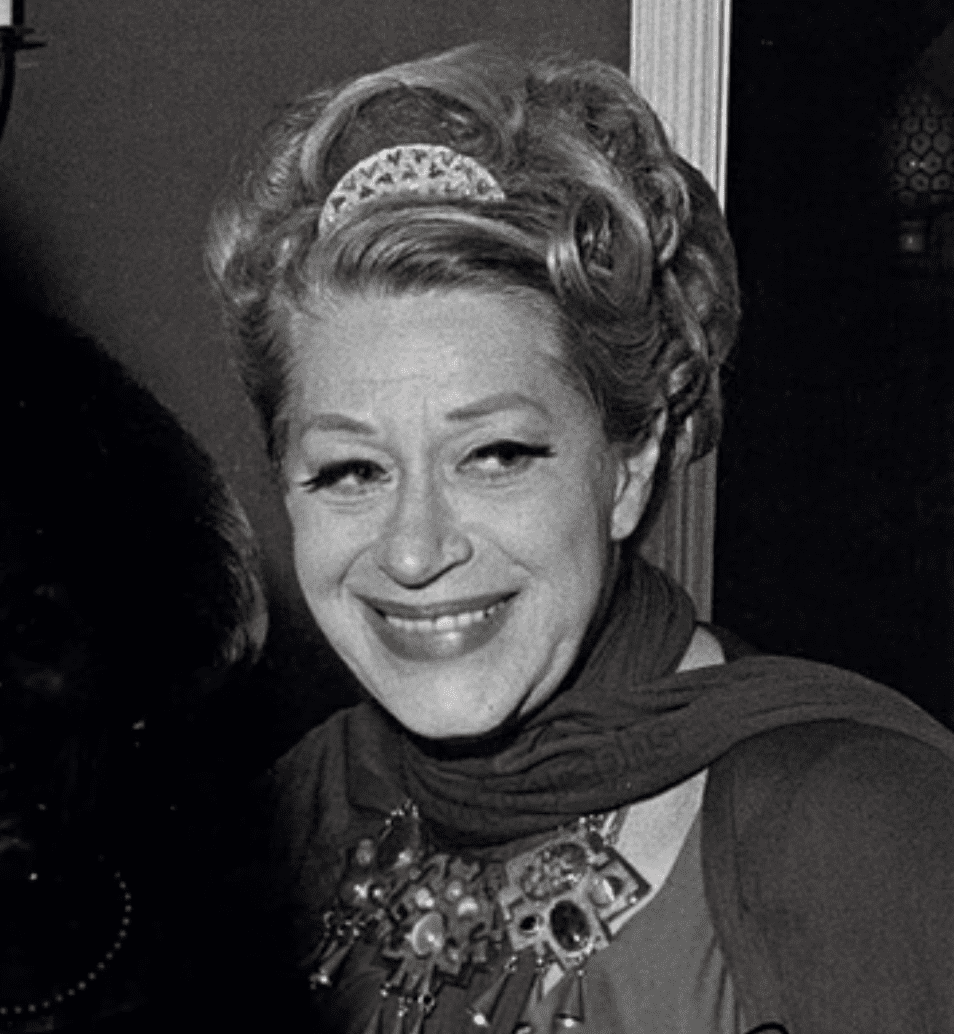
Critics agreed; her Ulrica in “Un ballo in maschera” was considered unparalleled, and her Carmen was one of the most sensual and daring of the 20th century.
A Legacy in History
She proved that true talent can survive any transformation. Regina Resnik began as a young soprano from the Bronx, but the world remembers her as one of the most brilliant mezzo-sopranos of the 20th century.
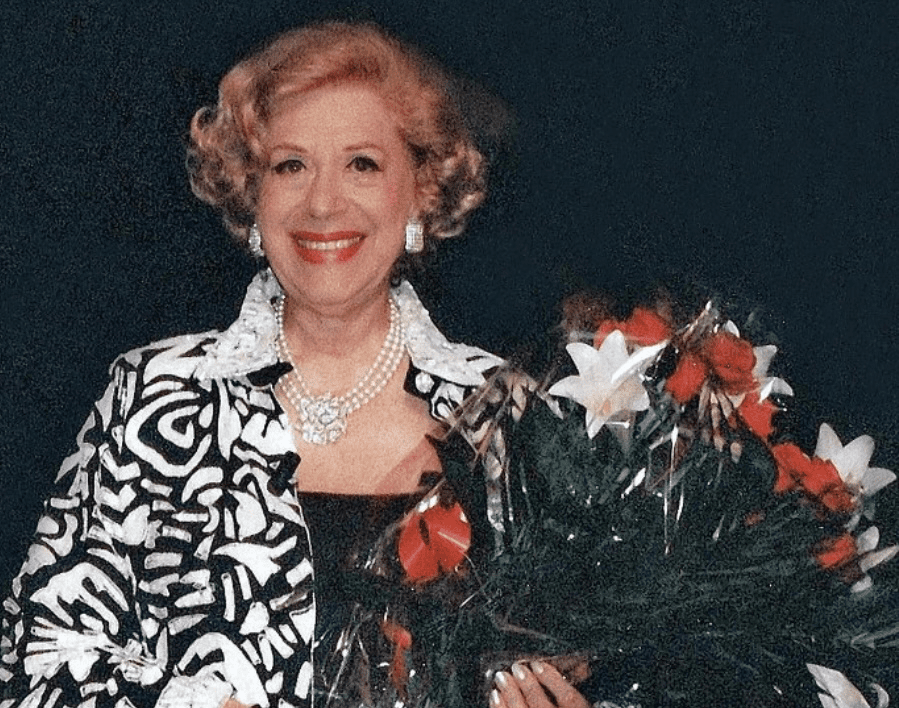
Her talent was recognized worldwide. Regina was made a Commander of the French Academy of Arts, Sciences, and Letters, was granted the honorary title of Kammersängerin in Austria, and was awarded the U.S. President’s Medal.
Starting in the 1970s, Resnik directed twelve opera productions in San Francisco, Hamburg, Warsaw, Lisbon, Venice, Sydney, and Strasbourg.
In the 1970s, she and her husband, artist Arbit Blatas, staged “Carmen,” “Falstaff,” “The Queen of Spades,” and “Elektra.” In 1987, Regina Resnik made her way to Broadway as Frau Schneider in “Cabaret,” earning a Tony Award nomination, and a little later, she played Madame Armfeldt in Stephen Sondheim’s “A Little Night Music.”
In 1983, she also ventured into filmmaking, creating a documentary about the Venetian Ghetto, where she explored her own Jewish roots.
The singer was fluent in six languages and effortlessly transitioned from German opera to English-language theater and musicals like “Cabaret” or “A Little Night Music.” She held masterclasses at the Metropolitan Opera, taught in schools around the world, and left her mark as a stage director and mentor. Her contribution to New York’s cultural life was so significant that on January 24, 1991, the mayor of the city proclaimed it Regina Resnik Day.
Regina Resnik passed away on August 8, 2013, a few weeks before her 91st birthday. For the world, it was the loss of a great artist, and for New York, it was a farewell to a woman who made its stages a global center of musical drama.